ABOUT

Grey Parrots: Ecosystem Protection

Status:
2018 – current
Collaborators/Funders:

University of Nigeria, Parrot Conservation Trust-Nigeria

View Species Profile

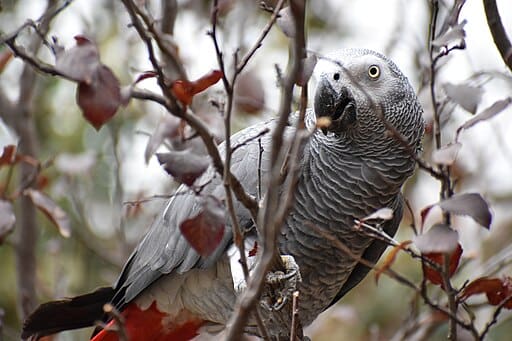
The Guinean forests of West Africa are vitally important for the conservation of Grey, Timneh and other parrots, and are recognised as a globally important biodiversity hotspot. WPT’s Nigeria Coordinator Ifeanyi Ezenwa of affiliate Parrot Conservation Trust-Nigeria led a multi-year project supported by the CEPF and Minnesota Zoo to understand the threats to Grey Parrots (Psittacus erithacus) in 28 forest sites throughout Nigeria.

The expansion of oil palm plantations is a major threat to biodiversity in the tropics and finding ways to reconcile the demands of a growing human population with biodiversity conservation is a central challenge for sustainable development. Nigeria’s Trade and Investment Ministry recently announced plans to create an additional three million hectares of oil palm estate by 2027. This expansion threatens the remaining habitat for Grey Parrots. There is anecdotal evidence that careful development of oil palm plantations could minimise negative impacts for parrots and other large frugivorous birds.

Status:  IUCN Endangered / CITES Appendix I

Population: Unknown mature individuals, decreasing.

Threats: Grey Parrots are now threatened throughout much of their natural range: extensive deforestation, particularly in W Africa, and heavy trapping for the wild bird trade have caused population collapses in some countries.

Range: Grey Parrots are found in S Nigeria, S Central African Republic, Republic of Congo, DRC, Gabon, Equatorial Guinea, SE Ivory Coast, N Angola, S Democratic Republic of Congo, NW Tanzania, W Kenya, W Uganda, Principe and Bioko Islands.

Natural history: Seen in primary and secondary rainforest, clearings, mangroves, wooded savanna, cultivated land and gardens to an altitude of 2200 m (7216 ft). Diet includes fruits and seeds, particularly oil palm fruit. Flocks roost in palms over water or on islands in rivers. Breeding is January-February and June-July, E Africa; in other areas the dry season. Nest is a cavity in a tall living tree.

Join Our Flock

FlockTalk our monthly newsletter for parrot people everywhere:

+ News from the world of parrots

+ Updates on wild parrot projects

+ Inspiring updates from partners

+ Real stories from the parrot flock

+ Plus, expert tips for caring for your feathered friends at home.


Stay In The Loop, Sign Up Now.

FlockTalk: our monthly newsletter for parrot people everywhere:

Parrot news. Conservation wins. Pet care tips. All in one monthly email.

We do not sell or share your information with anyone.