

Strengthening bird monitoring in Africa is key to safeguarding parrot populations
A recent study published in Bird Conservation International examines the current state of bird monitoring across Africa, highlighting important gaps in data that have direct implications for conservation.
Paul Robinson, World Parrot Trust Research Scientist and Sierra Leone Coordinator, was the study’s senior author and led the production of a British Trust for Ornithology research report to the UK Joint Nature Conservation Committee “Review of Bird Monitoring in Africa”, which gathered information on bird monitoring programmes across the continent.
Drawing on responses from 46 countries, the study found that while a range of monitoring initiatives exist, coverage is uneven and often limited in scope. Most programmes focus on specific groups such as waterbirds or raptors, while broader, all-species monitoring—needed to understand ecosystem health—is only established in a small number of countries.
For parrots, this lack of consistent monitoring is a particular concern. Many African parrot species face ongoing pressure from habitat loss and capture for the international pet trade. In the absence of reliable, long-term data, population declines may go undetected until they are difficult to reverse, limiting the effectiveness of conservation responses.
The study also identifies practical challenges that affect monitoring efforts. Many projects rely heavily on volunteers, with limited access to training, equipment, and long-term funding. In addition, gaps in data management and a shortage of analytical capacity mean that even where data are collected, they are not always fully used to inform conservation decisions.
However, the findings also point to opportunities. Monitoring programmes linked to clear policy goals or international agreements tend to be more sustainable, and there is scope to strengthen collaboration, improve training, and better integrate biodiversity monitoring into wider development planning.
For the World Parrot Trust and its partners, improving monitoring is an important step toward safeguarding wild parrot populations. Strengthening data collection and use helps to ensure that pressures such as trade and habitat change are better understood—and that conservation action can be taken before it’s too late.
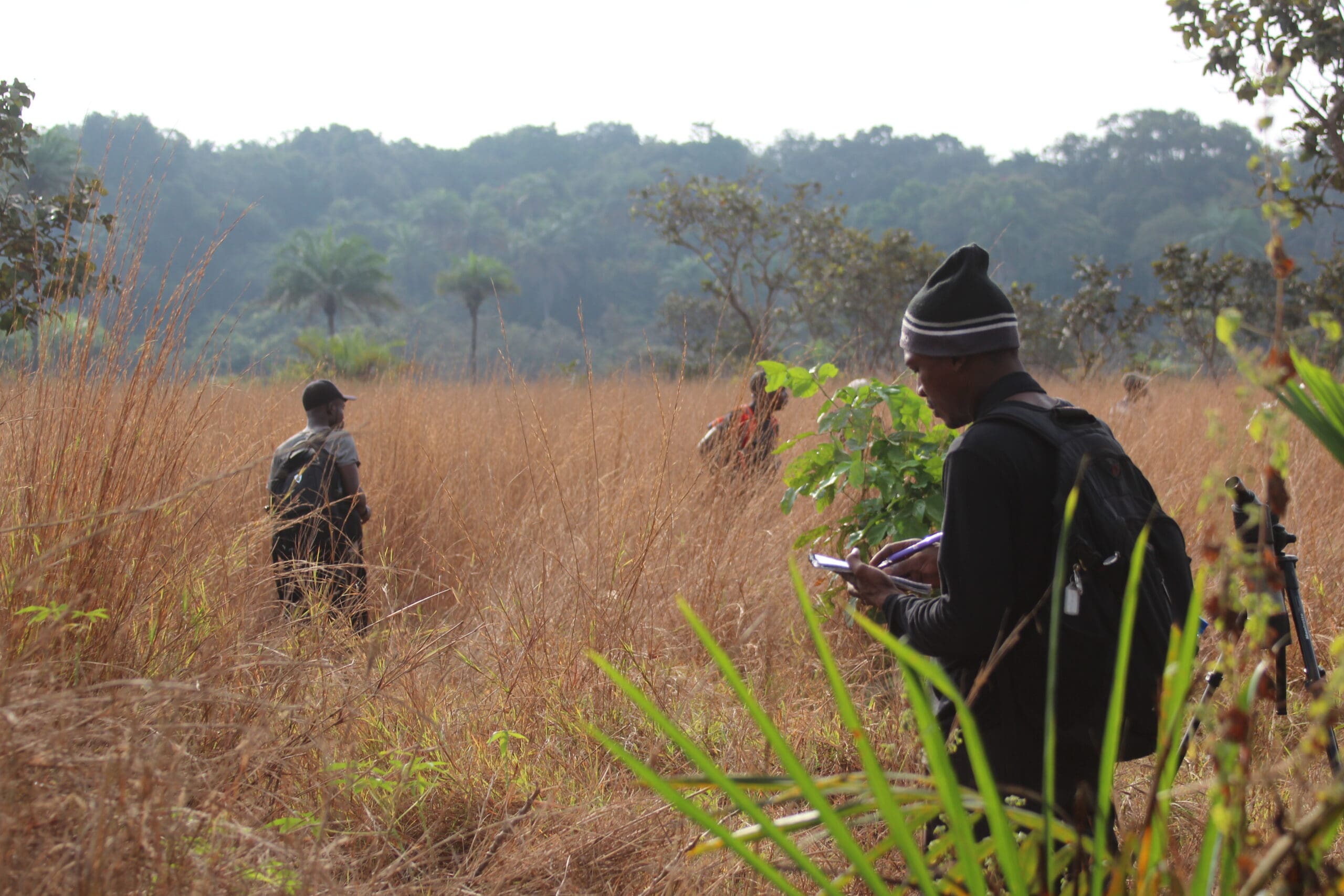
WPT recently launched a new monitoring initiative for Endangered Timneh parrots in Sierra Leone in partnership with West Africa Blue. With funding from BirdLife International, members of local communities, are being trained to collect data on parrots that will be used to measure the impacts of initiatives to protect and restore mangroves in the Sherbro River Estuary. Research published earlier this year revealed that this is globally important site for Timneh parrots who nest and roost in old growth mangrove forests making the parrots important “flagships” for mangrove protection.