LEARN

Blue-winged Parrotlet

( Forpus xanthopterygius )

Also known as:
Cobalt-rumped Parrotlet

Also known as:
Cobalt-rumped Parrotlet

Type :
Geography:

DID YOU KNOW?

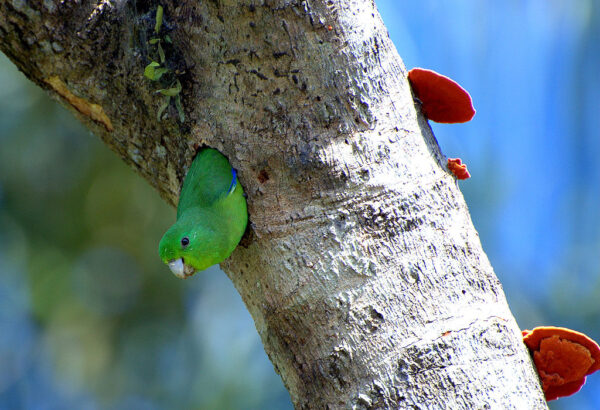
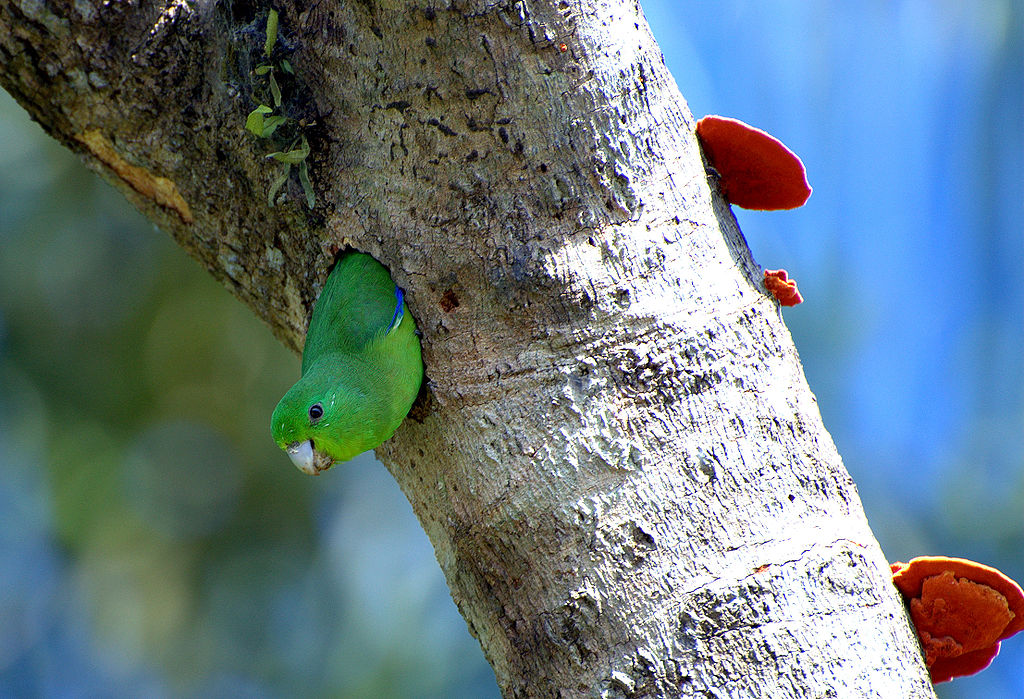
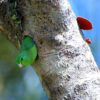
The Blue-winged Parrotlet nests in tree cavities but will also try arboreal termitaria (termite mounds in trees).

<p><em>Forpus</em></p>
Genus:

Forpus

<p><em>xanthopterygius</em></p>
Species:

xanthopterygius

Size:

12 cm (4.7 in)

Weight:

28 g (1.0 oz)

Subspecies including nominate:

three: F.x. xanthopterygius, F.x. flavissimus, F.x. flavescens

Colour Adult:

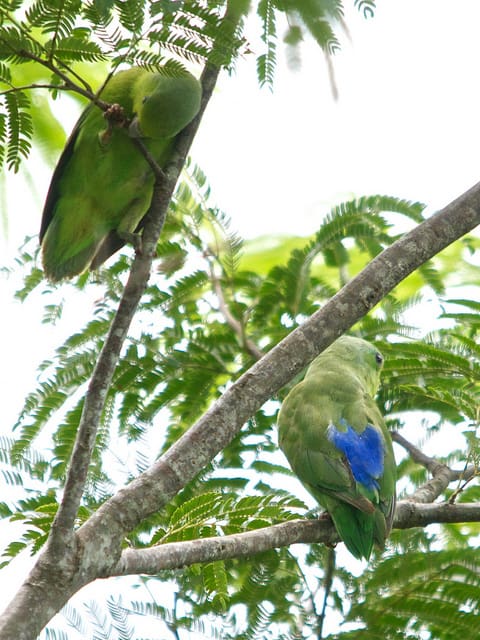
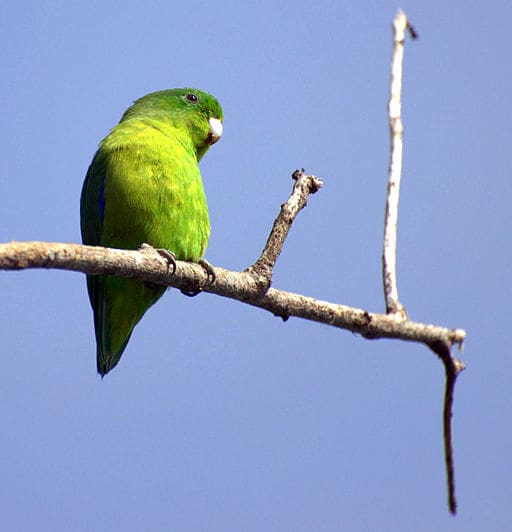
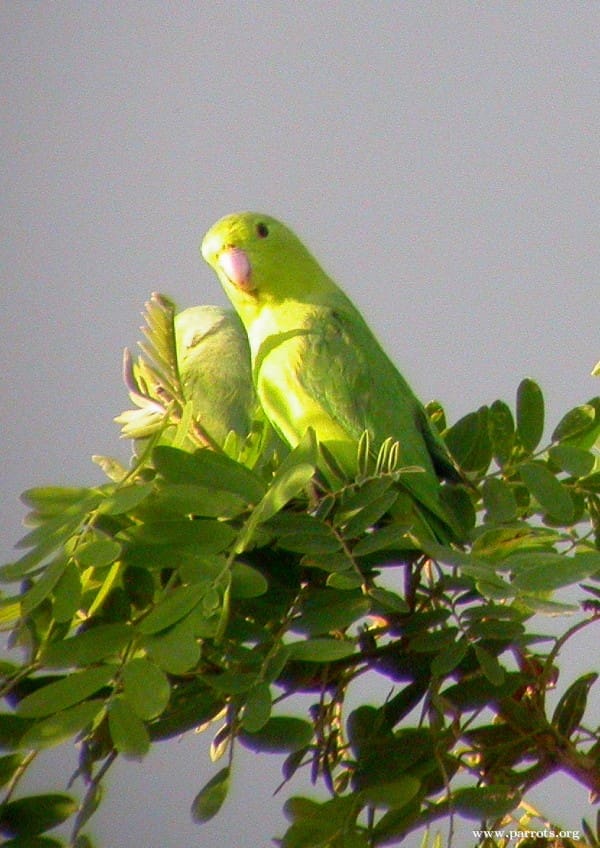
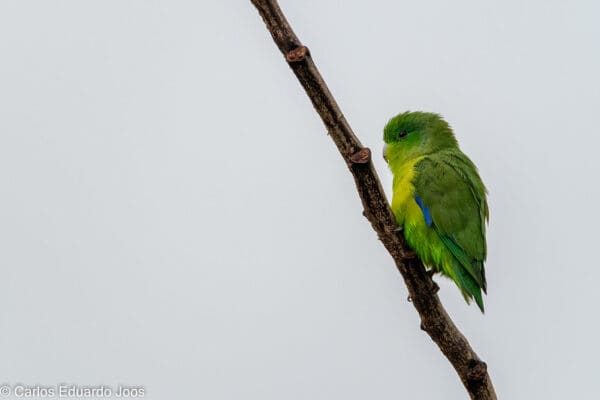
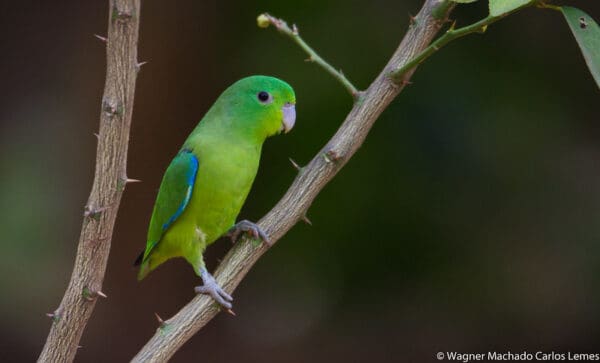
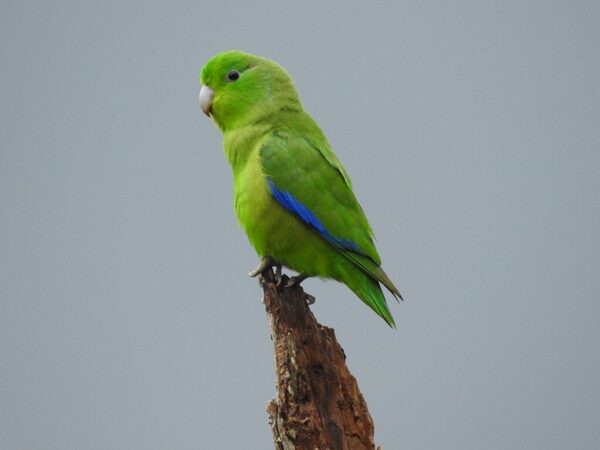
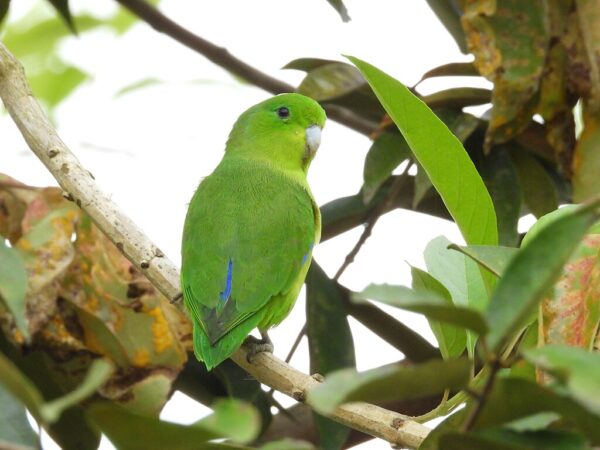
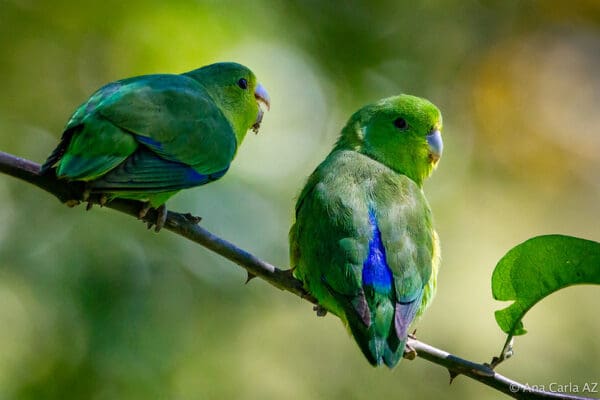
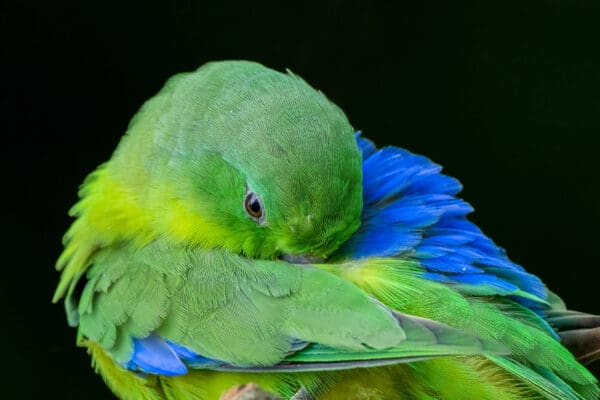
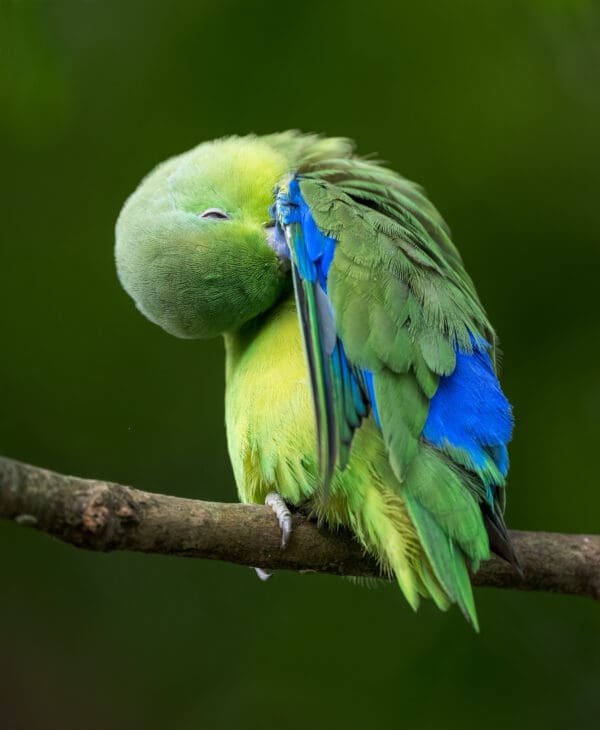
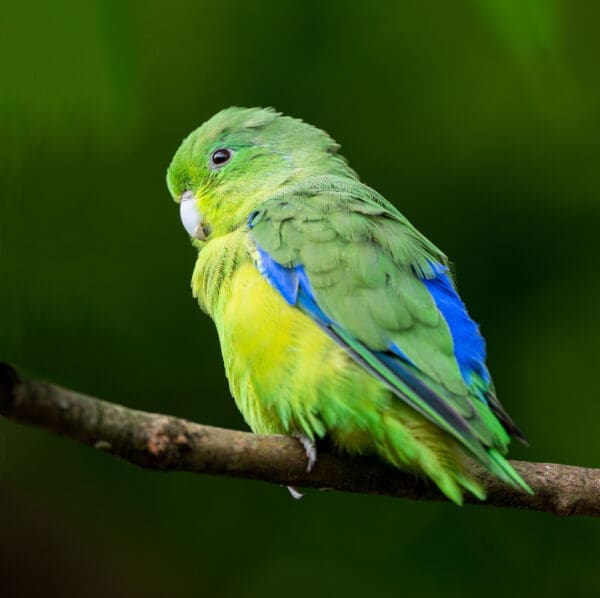
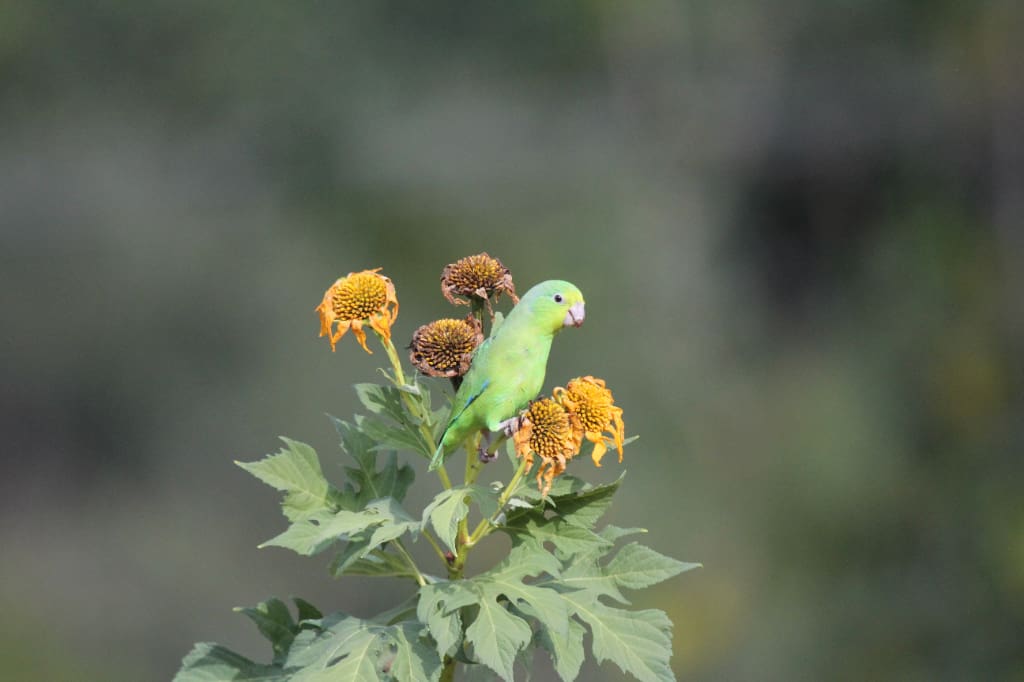
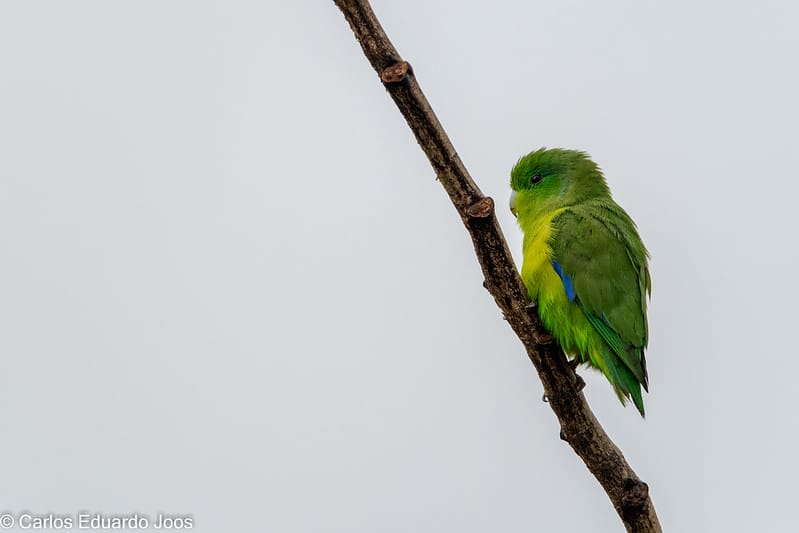
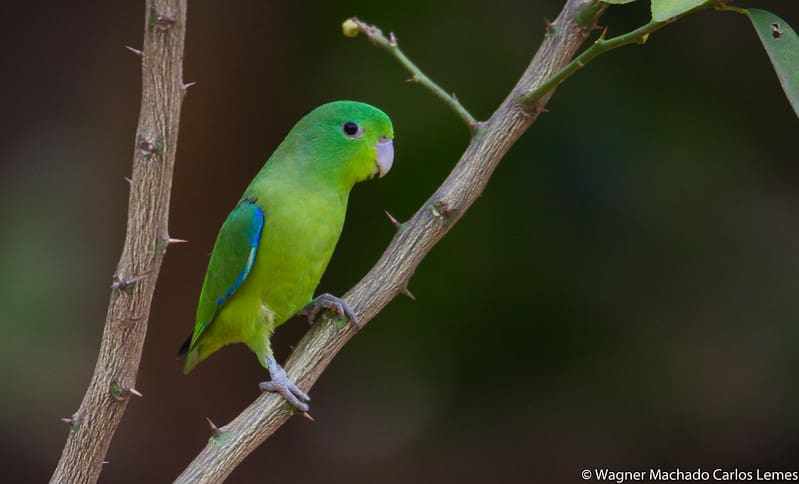
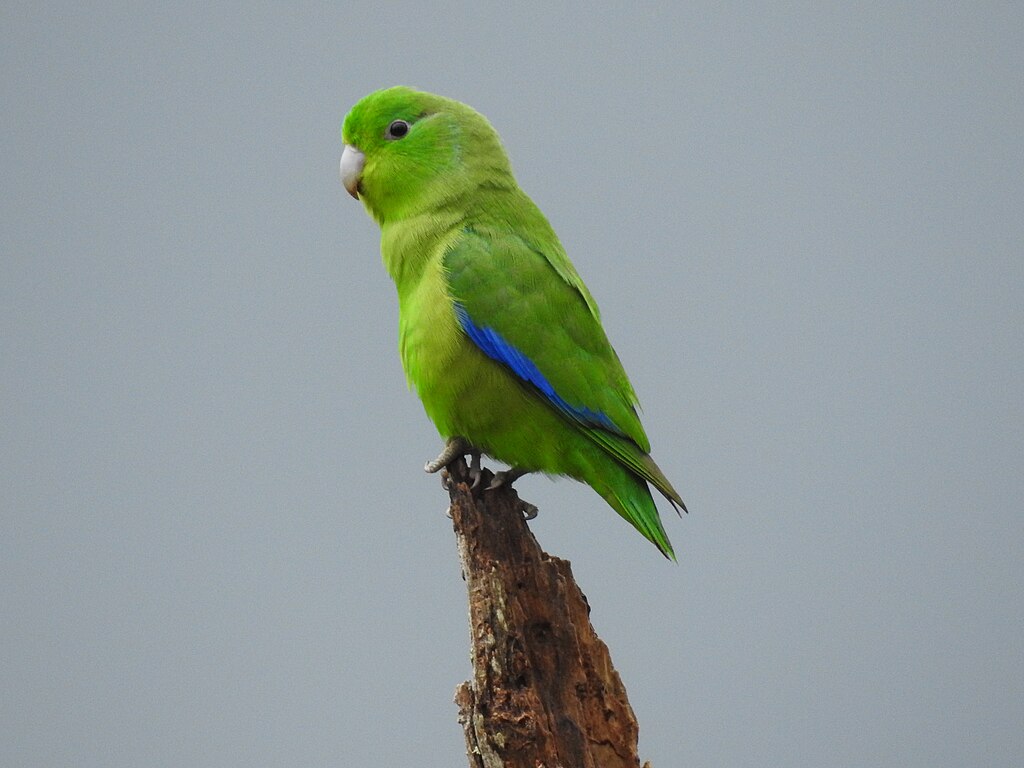
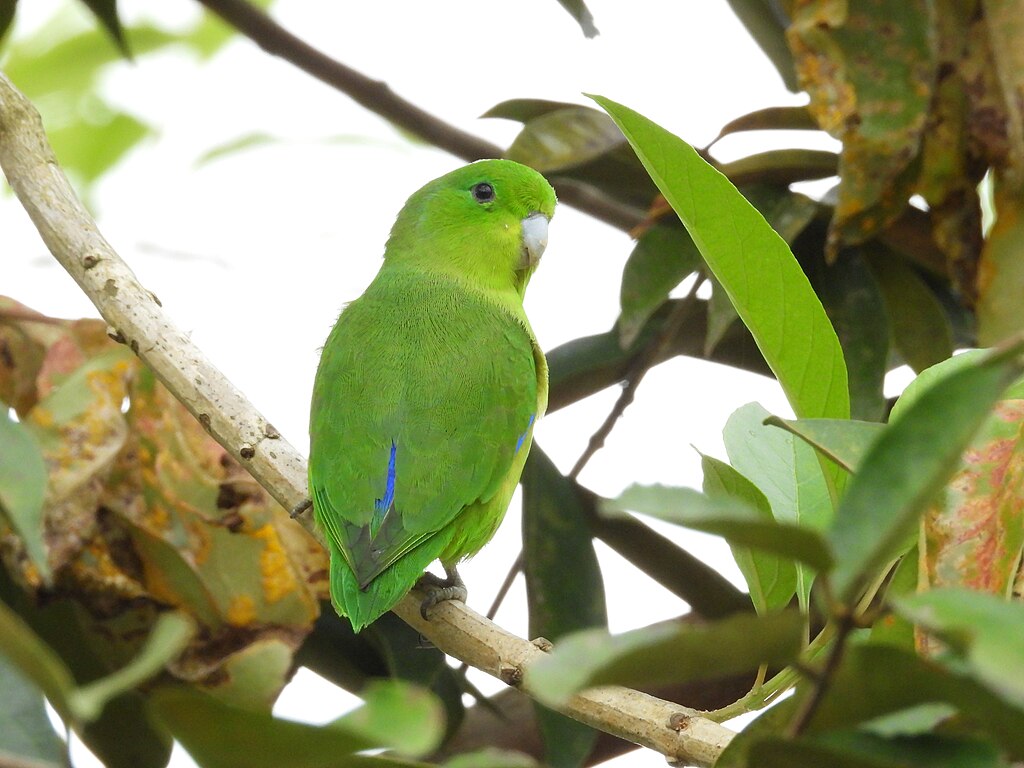
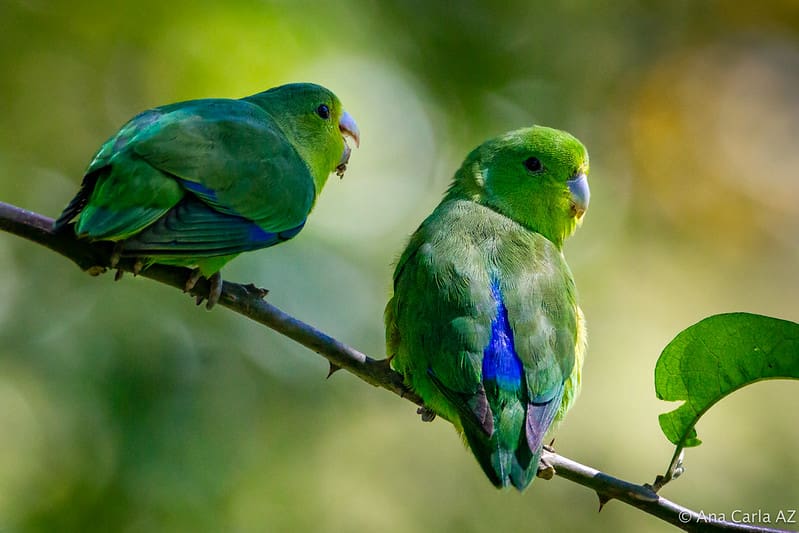
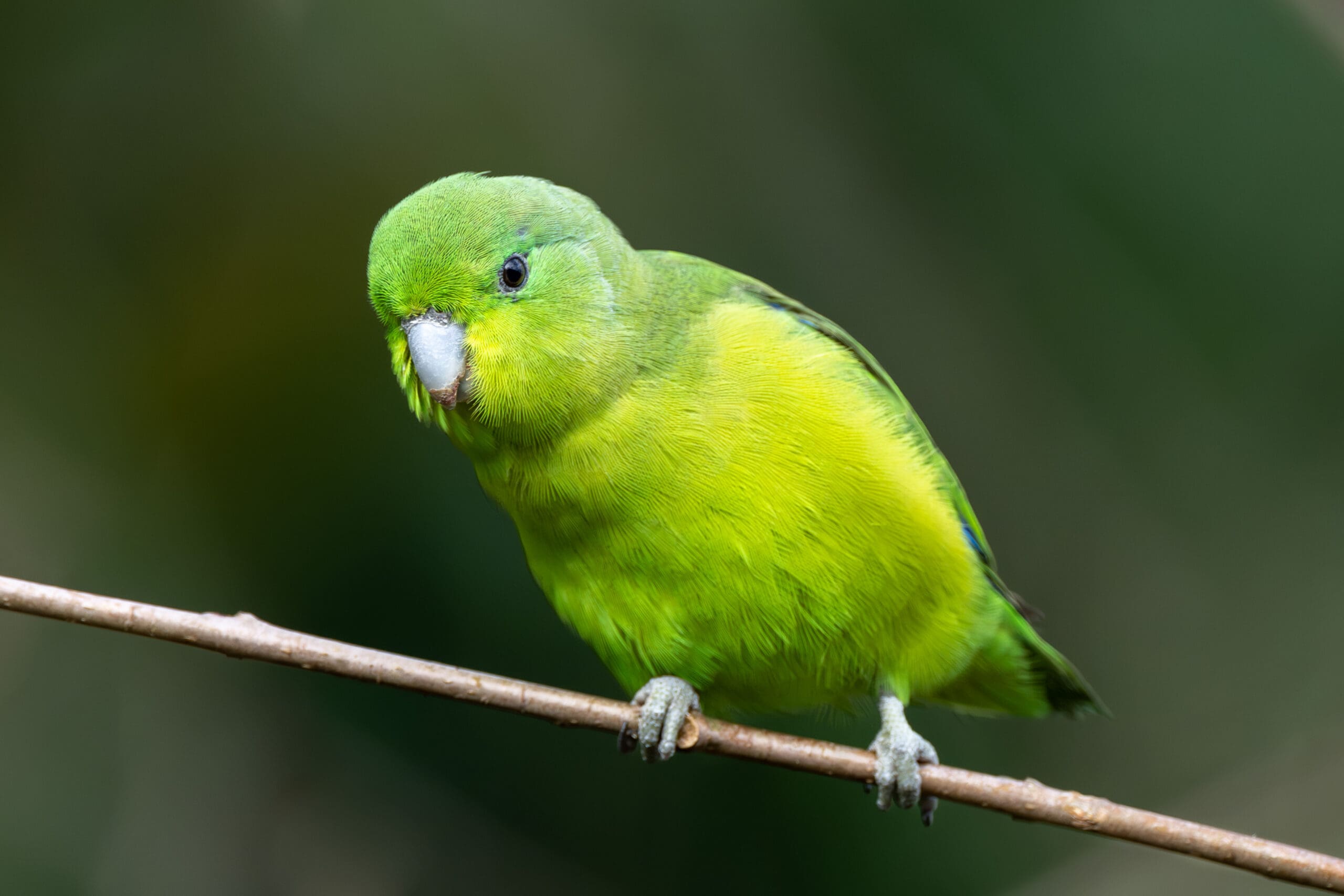
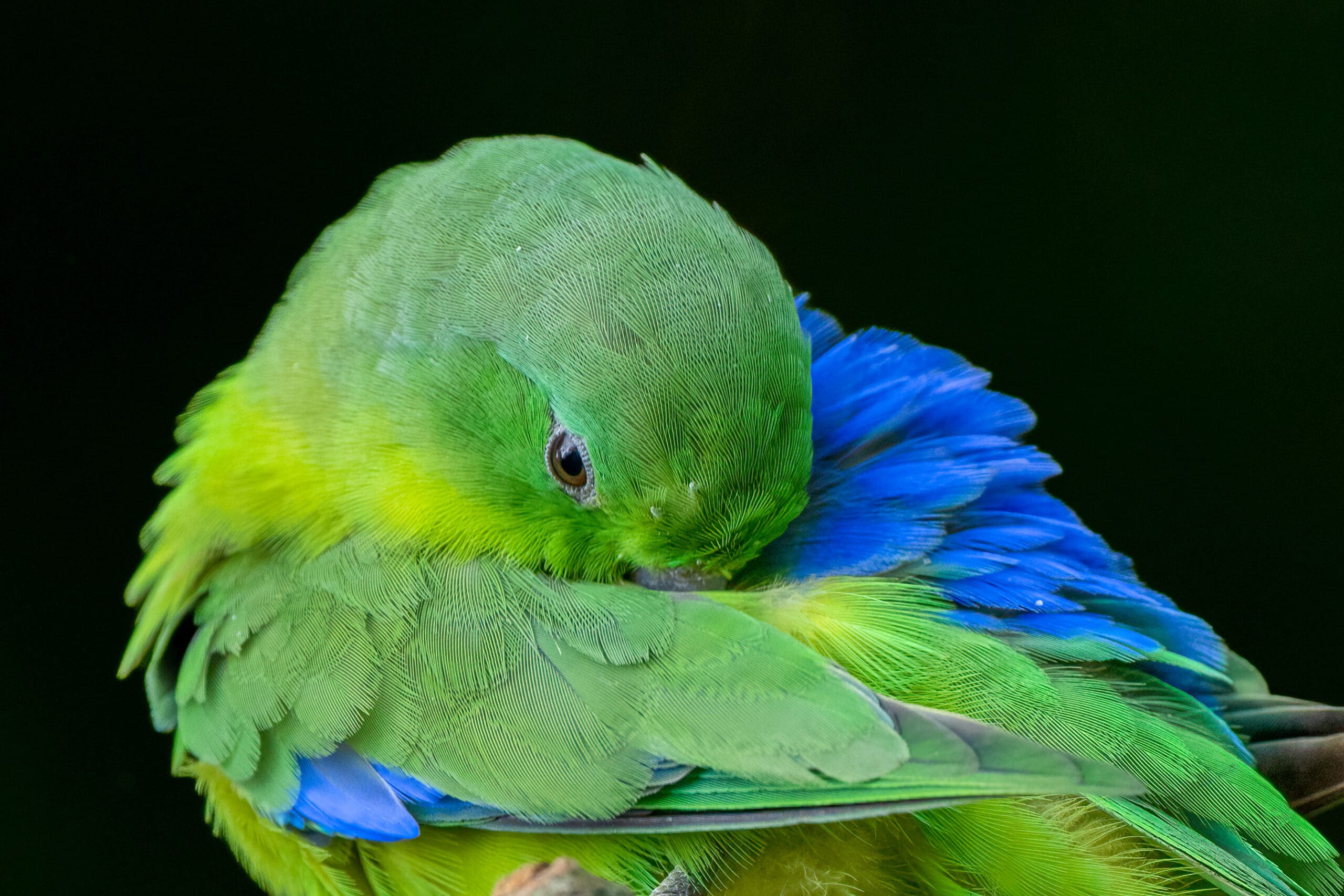
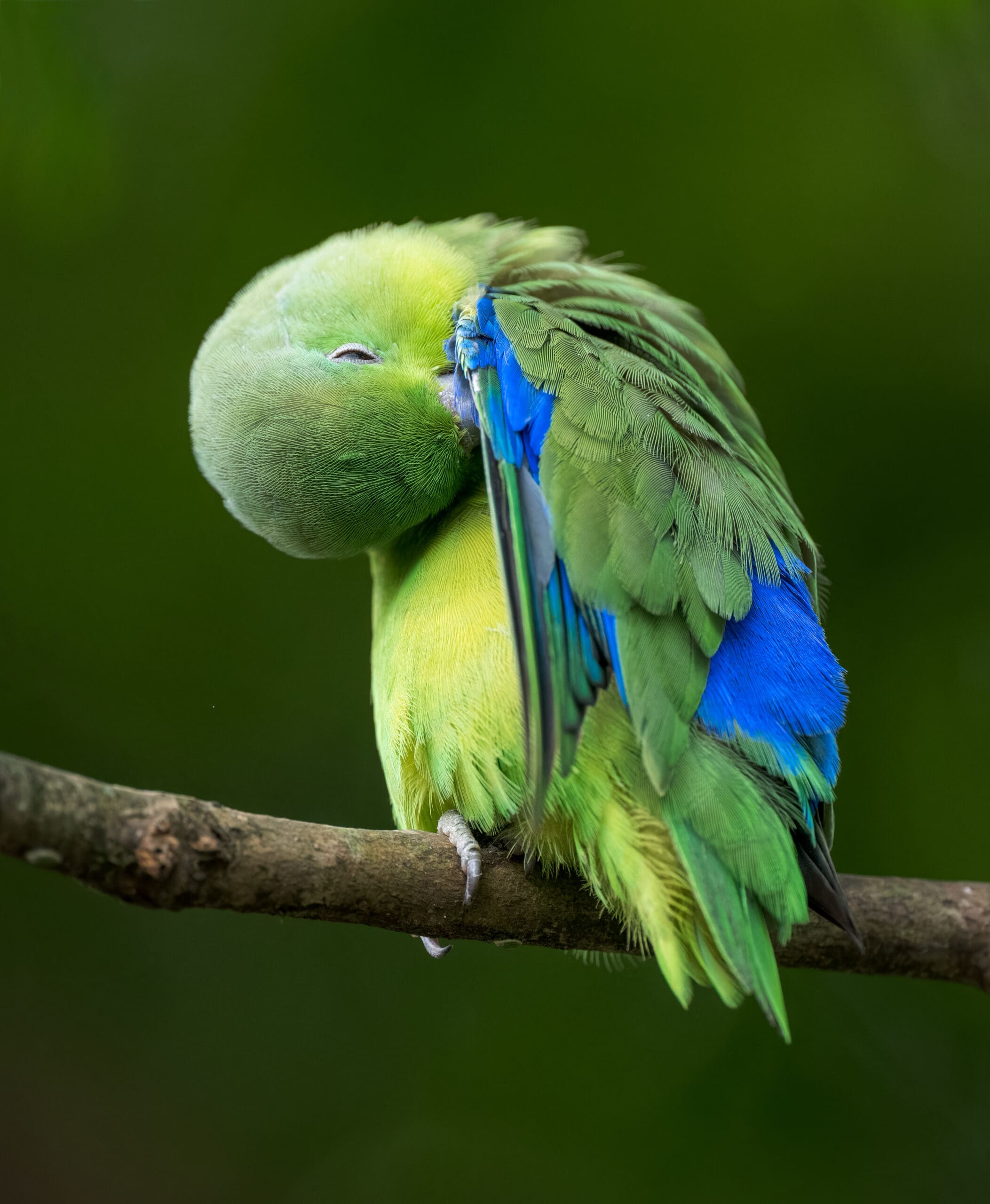
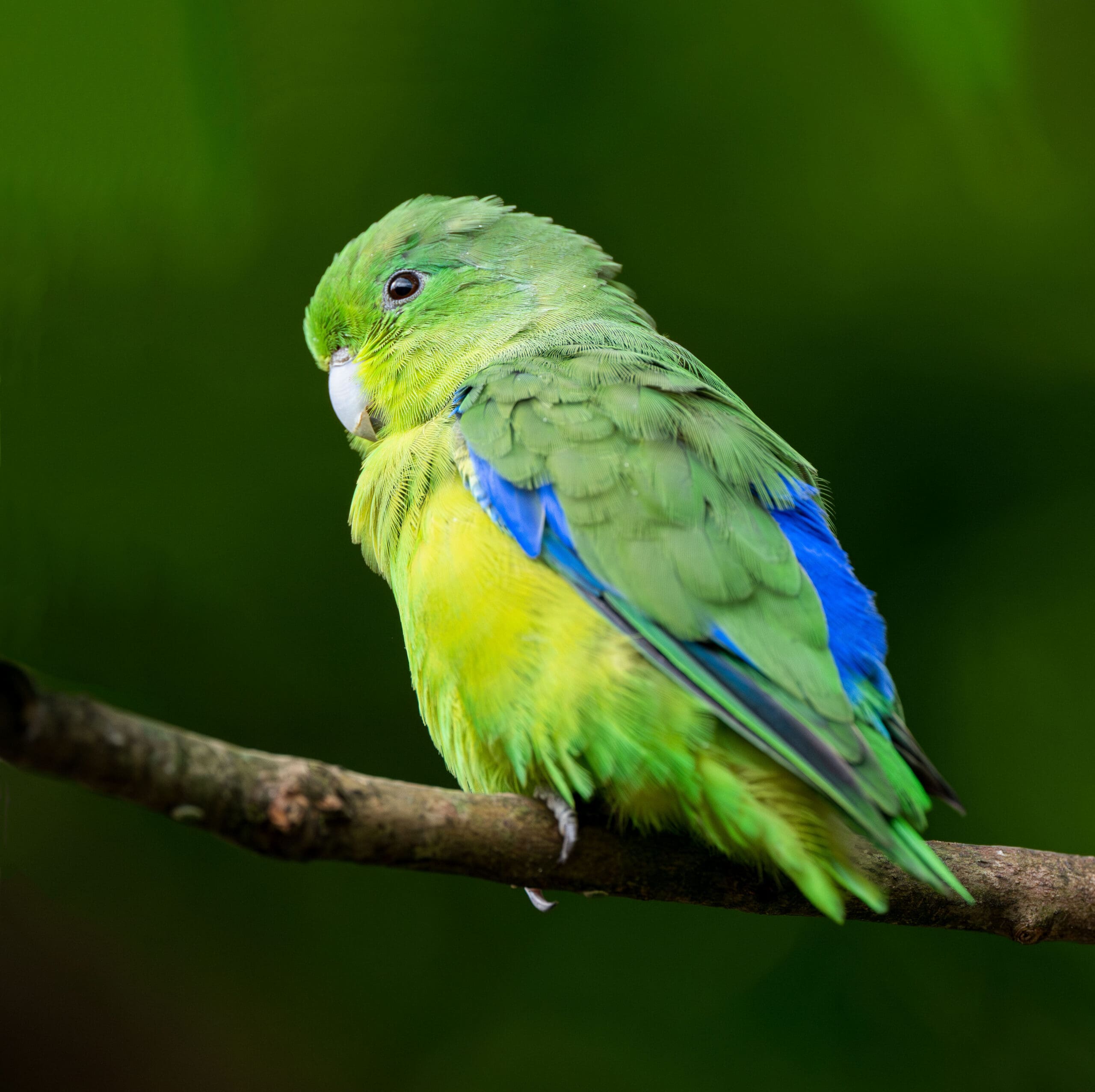
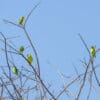
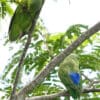
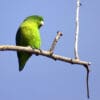
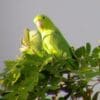
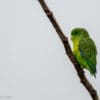
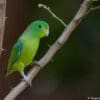
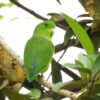
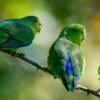
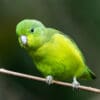
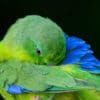
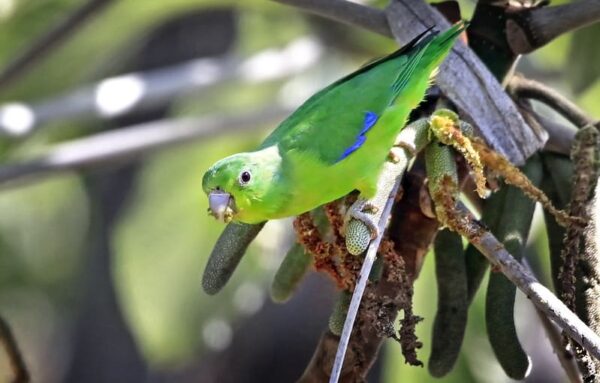
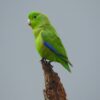
F.x. xanthopterygius: Male-in general olive/green to green in colour; eyes surrounded by bright green; purple/blue primary and secondary coverts; purple/blue bases to outer webs of secondary feathers; purple/blue underwing coverts, lower back and rump. Beak horn in colour with grey at base of upper mandible. Eye dark brown. Female-green instead of blue markings; green/yellow forehead and face.
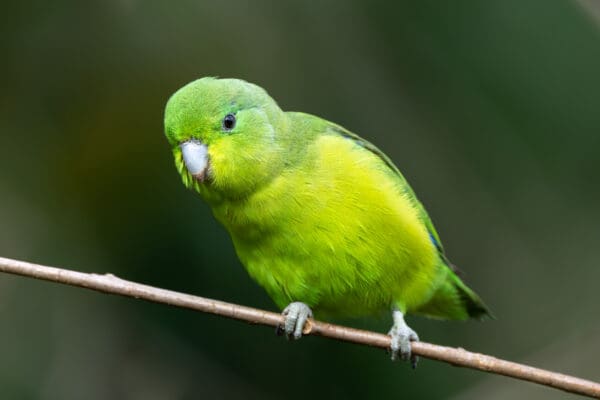
F.x. flavissimus: Male-paler, more yellow/green; yellow/green forehead, cheeks and throat. Female-paler and more yellow/green.
F.x. flavescens: Male-as in xanthopterygius, but yellow/green paler; green/yellow forehead, cheeks, and underparts; paler blue on lower back and rump. Female-as in xanthopterygius, but yellow/green paler.

Colour Juvenile:

F.x. xanthopterygius: As in adults but immature male has blue markings intermixed with green.

Call:

Calls in flight or when perched are sad sounding but penetrating. While feeding twittering and chattering.

Xeno-canto Wildlife Sounds-Blue-winged Parrotlet

More Information:

Avibase

Content Sources:

CITES
BirdLife International
Cornell Lab of Ornithology/Birds of the World
Parrots: A Guide to Parrots of the World, Juniper and Parr, 1998
Parrots of the World, Forshaw and Cooper, 1977. 2010 edition
Parrots of the World, Forshaw, 2006.
Psittacine Aviculture, Schubot, Clubb and Clubb, 1992.

Captive Status:

Uncommon in captivity.

Longevity:

10-20 yrs

Housing:

2 x 1 x 2 m (6.5 x 3.3 x 6.5 ft) enclosure, or suspended indoor cage 120 cm x 40 cm x 50 cm (46.8″ x 15.6″ x 19.5″), with roosting box.

Diet:

Seed mix such as: millet, canary grass seed, weed seed, wheat and oats; millet spray, sprouted or unsprouted; fruit such as: apple, pear, orange, banana, pomegranate; vegetables such as: carrot, celery, green beans, peas in the pod; berries such as: rose hips, mountain ash (rowan); green leaves such as: Swiss chard, dandelion, chickweed, lettuce; insectivorous food; complete kibble if taken.
Enrichment:

Provide tree stumps, branches (are avid chewers); areas for bathing.
Nest Box Size:

Nest log 15 cm (6″) in diameter, 30 cm (11.7″) high or 6″ x 6″ x 6″ (15 cm x 15 cm x 15 cm) vertical box.

Clutch Size:

3-7

Fledging Age:

35 days

Hatch Weight:

Peak Weight:

Weaning Weight:

World Population:

Unknown, decreasing.

IUCN Red List Status:
Not Evaluated

CITES Listing:
Appendix II

Threat Summary:

This species is considered to have a medium dependency on forest habitat, and tree cover is estimated to have declined by 7.3% within its mapped range over the past 10 years. As a precautionary measure, it is tentatively suspected that this forest loss may have led to a 1-19% decline in the species’ population over the same time frame.

Range:

F.x. xanthopterygius:  Eastern Brazil (from Tocantins and northern Bahia south to Santa Catarina), eastern Paraguay, and northeastern Argentina.
F.x. flavissimus: Northeast Brazil, from Maranhão to Rio Grande do Norte and northern Bahia.
F.x. flavescens: Southeast Peru south to east-central Bolivia, in the Beni and Santa Cruz.

Habitat:

Seen in range gallery forest, light riparian growth, matorral (patchy, varied riverine thickets), lowland rainforest edge and secondary growth, but at the edges of its range also occupies savanna, palm groves and semi-arid scrub as well as pastures, parkland and suburbs. Ranges up to 1200 m (3937 ft) in southeastern Brazil.

Wild Diet:

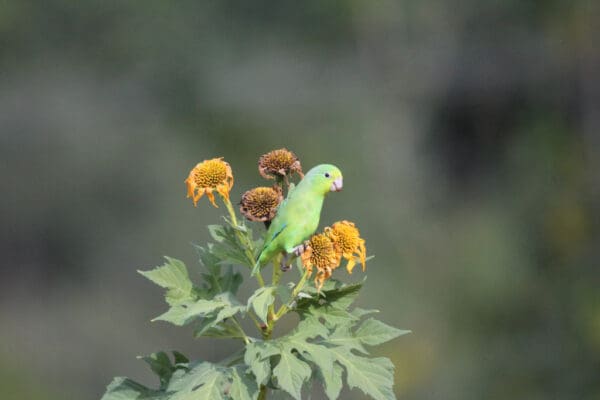
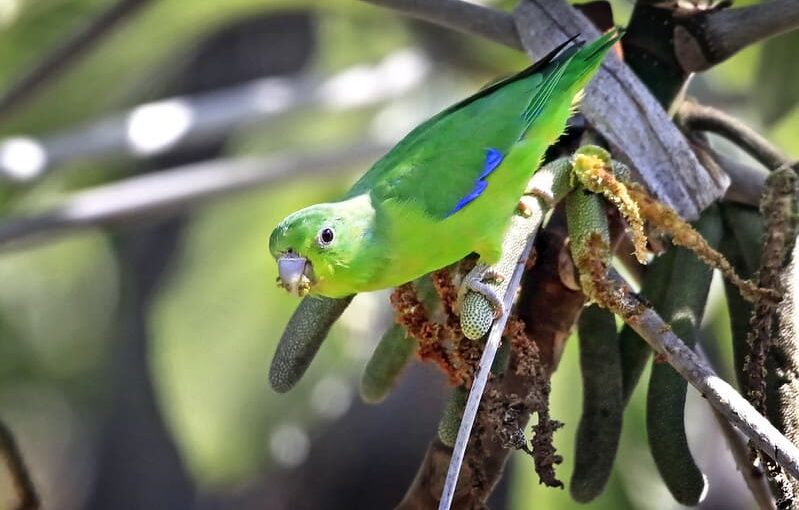
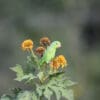
Eats fruits of Cecropia, seeds of Mikania and Trema mirantha, flowers of Ambrosia and Marcgravia polyantha, and fruits of Cereus jamacaru. Additionally, Rhipsalis sp. (pulp and seeds), Cecropia pachystachia seeds, Ficus enormis pulp and Turnera ulmifolia seeds have been recorded.  Also Partenium hysterophorus (seeds), Malvastrum coromandelianum seeds and leaves and Albizia lebeck seeds, with fruits of Myracrodruon urundeuva recorded in central Brazil.

Ecology and Behaviour:

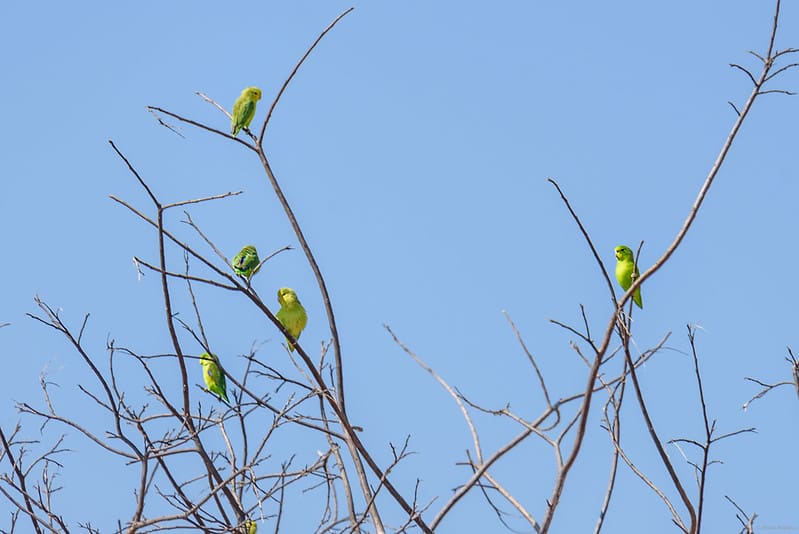
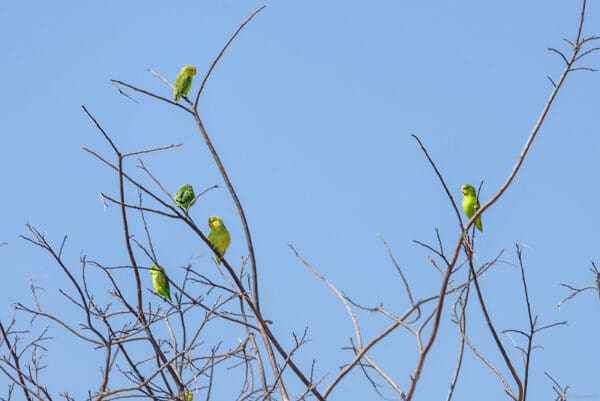
Will forage in the open and sometimes on the ground. Highly social; found in groups of up to 50 individuals.

Clutch and Egg Size:

3-7 spherical to elliptical eggs, 19.0 x 15.0 mm (0.7 x 0.6 in)

Breeding Season:

October-March; nest is in tree cavity (ie Cecropia), termite mound, fence-post or in abandoned nest of Rufous Hornero (Furnarius rufus).

Join Our Flock

FlockTalk our monthly newsletter for parrot people everywhere:

+ News from the world of parrots

+ Updates on wild parrot projects

+ Inspiring updates from partners

+ Real stories from the parrot flock

+ Plus, expert tips for caring for your feathered friends at home.


Stay In The Loop, Sign Up Now.

FlockTalk: our monthly newsletter for parrot people everywhere:

Parrot news. Conservation wins. Pet care tips. All in one monthly email.

We do not sell or share your information with anyone.