LEARN

Cliff Parakeet

( Myiopsitta luchsi )

Geography:

DID YOU KNOW?

The Cliff Parakeet was a subspecies of the Monk Parakeet. Like the Monk, the Cliff Parakeet has established feral populations all over the US and other parts of the world.

<p><em>Myiopsitta</em></p>
Genus:

Myiopsitta

<p><em>luchsi</em></p>
Species:

luchsi

Size:

29 cm (11.3 in)

Weight:

127-140 g (4.4-4.9 oz)

Subspecies including nominate:

one

Colour Adult:

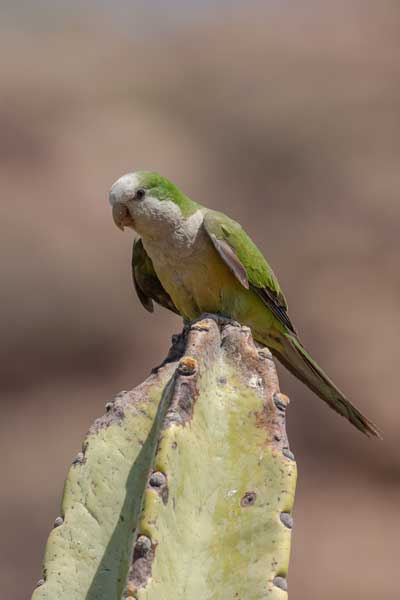
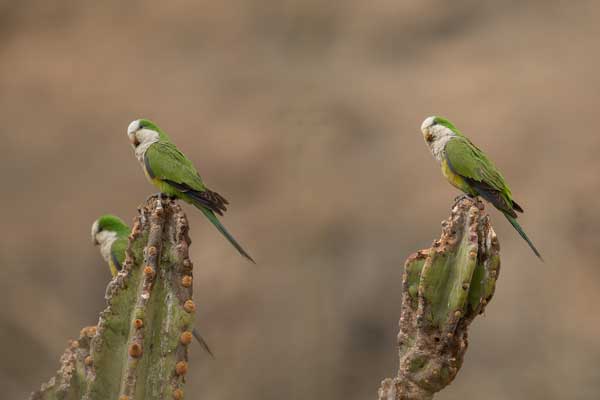
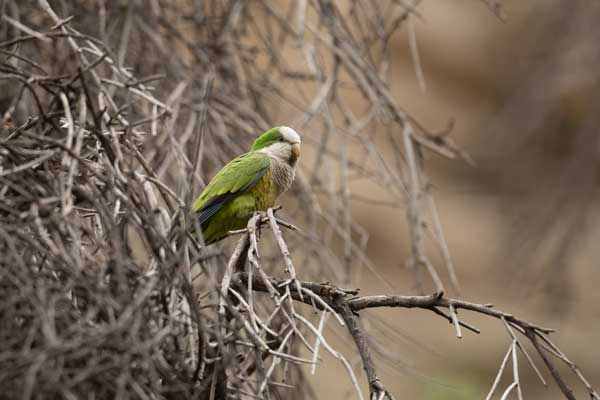
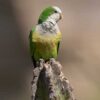
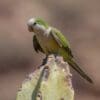
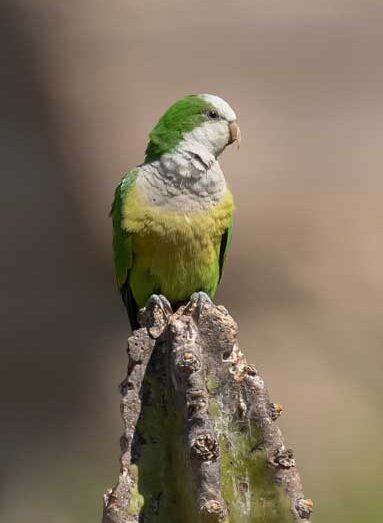
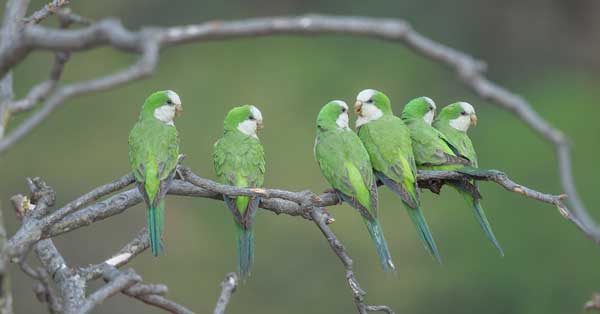
Overall mainly olive-green, with forehead and forecrown pale grey, and breast grey to abdomen, then mustard in colour. Beak horn colour.

Colour Juvenile:

As in adults but forehead grey tinted with green.

Call:

Produces wide range of shrill screeches, squawks and chatter while in flight or when feeding.

Xeno-canto Wildlife Sounds-Cliff Parakeet

More Information:

Avibase

Captive Status:

Common

Longevity:

Up to 25 yrs.

Housing:

Aviary or suspended enclosure, minimum length 3 m (9.8 ft).

Diet:

Fruit such as: apple, pear, orange, cactus fruits, pomegranate, etc, forming about 30 percent of the diet; vegetables such as: carrot, celery, green beans and peas, corn; green leaves such as: Swiss chard, lettuce, sowthistle, dandelion, chickweed; spray millet; small seed mixture: canary, millet, safflower and limited sunflower seed; cooked beans or pulses and complete pellet.
Enrichment:

Socialisation, bathing; provide nest building materials, puzzle toys, bird safe chewables (fir, pine, elder, willow, sterilized pine cones, vegetable-tanned leather).

Nest Box Size:

This species nests in colonies. Provide a welded mesh base and a large supply of twigs, from which the pairs will build their nests. Nest boxes may be used (vertical box, 12″ x 12″ x 18″ (30.5 cm x 30.5 cm x 46 cm).

Clutch Size:

5-7

Fledging Age:

6-7 weeks

Hatch Weight:

Peak Weight:

Weaning Weight:

World Population:

2500-10,000 mature individuals, decreasing.

IUCN Red List Status:
Near Threatened

CITES Listing:
Appendix II

Threat Summary:

The species is persecuted as a crop pest and occasionally trapped for the cage-bird trade. It is suspected that the population is in decline.

Range:

Upper Bolivia, from SE La Paz, southern Cochabamba and W Santa Cruz to N Chuquisaca. Isolated to highlands between 1300 m (4265 ft) and 3000 m (9842 ft) in the Andean valleys of west-central Bolivia (southeastern La Paz and western Santa Cruz to southeastern Potosí and Chuquisaca.

Habitat:

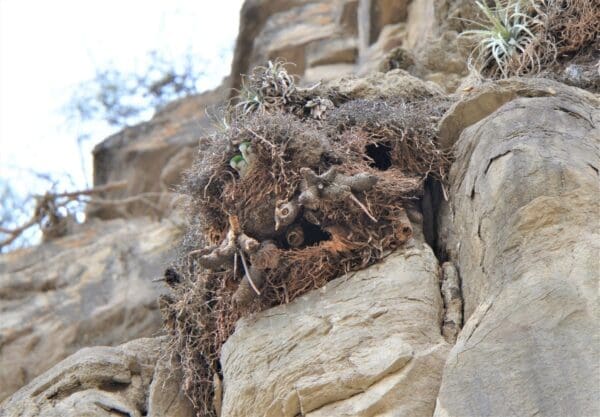
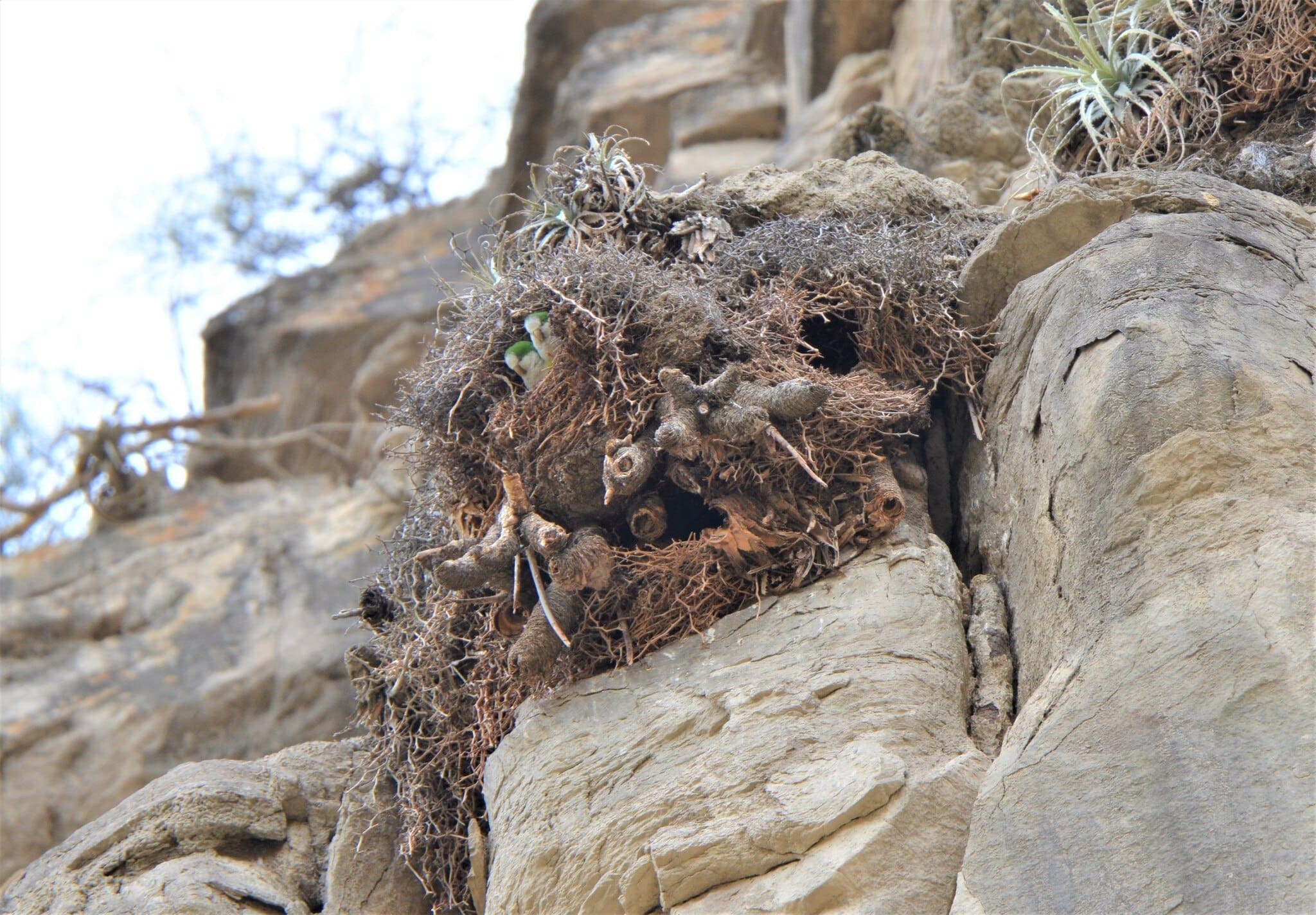
Found in xerophytic vegetation (cacti, succulents) and adjacent cliff areas near water in the intermontane valleys.

Wild Diet:

Feeds on seeds of various fruit, including those of caraparí cacti (Neocardenasia herzogiana) and Acacia furcatispina; also cultivated maize.

Ecology and Behaviour:

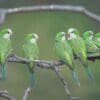
Occurs in pairs or flocks of 30-50 birds, with larger groups outside of breeding season. Roost communally, sleeping sometimes in nest outside of breeding season. Feeds in trees and on the ground, mixing with other species of birds such as pigeons and cowbirds.

Clutch and Egg Size:

5-7 ovate eggs, 28.0 x 21.5 mm (1.1 x 0.8 in).

Breeding Season:

October-December. Nests in cliff faces.

Related Links:

Join Our Flock

FlockTalk our monthly newsletter for parrot people everywhere:

+ News from the world of parrots

+ Updates on wild parrot projects

+ Inspiring updates from partners

+ Real stories from the parrot flock

+ Plus, expert tips for caring for your feathered friends at home.


Stay In The Loop, Sign Up Now.

FlockTalk: our monthly newsletter for parrot people everywhere:

Parrot news. Conservation wins. Pet care tips. All in one monthly email.

We do not sell or share your information with anyone.