LEARN

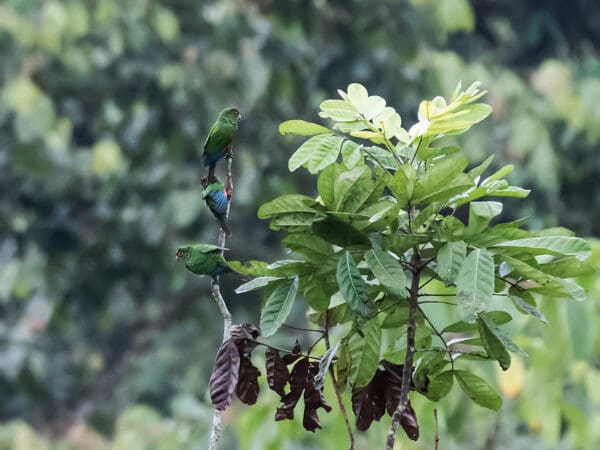
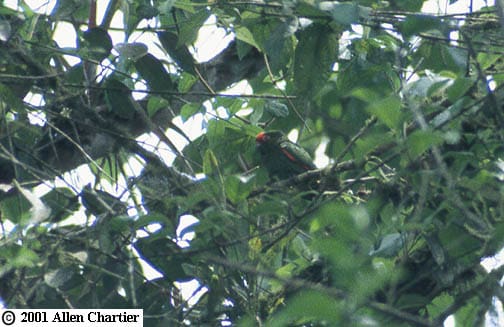
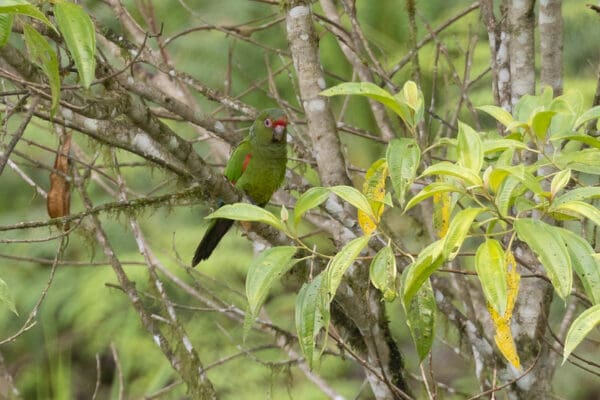
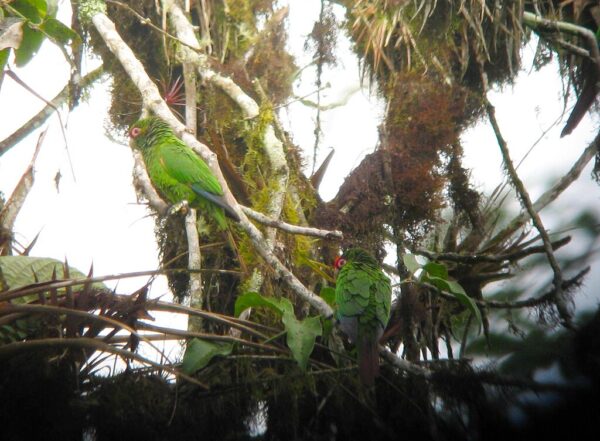
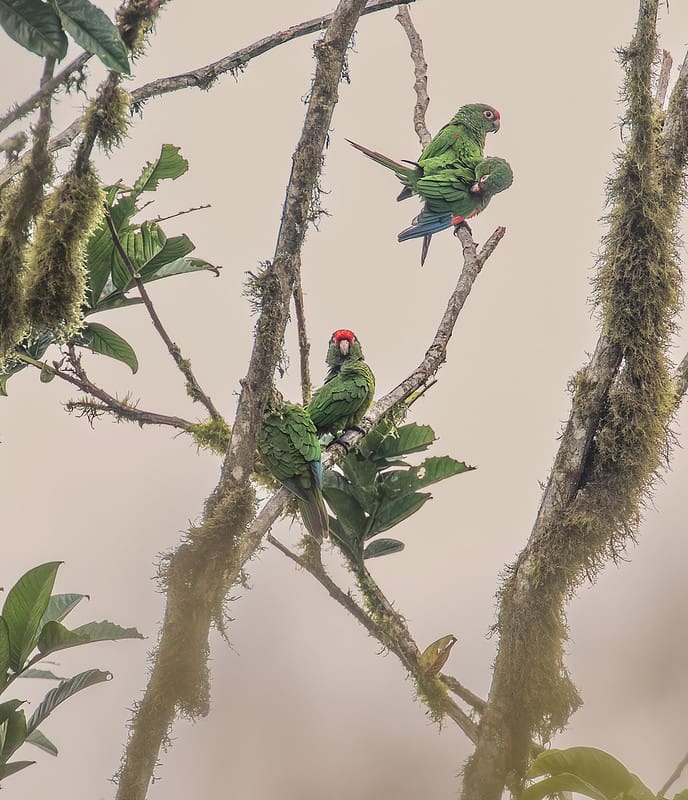
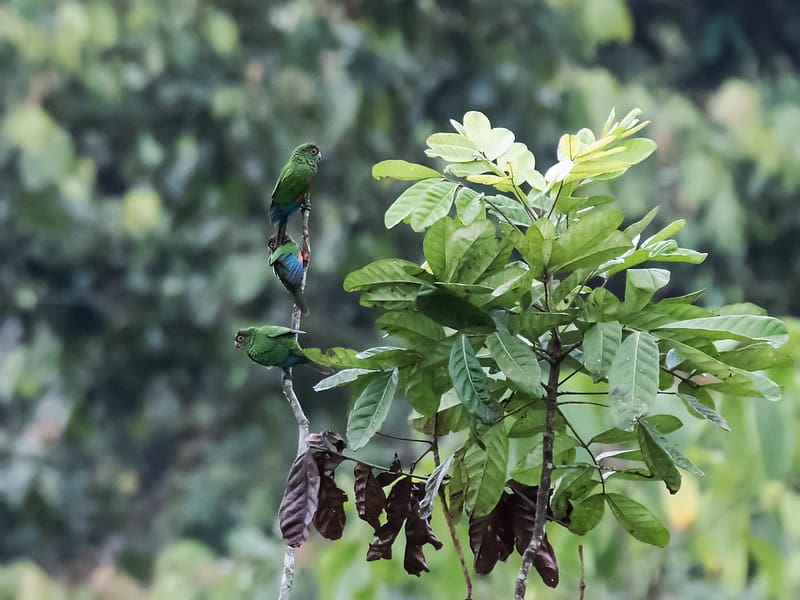
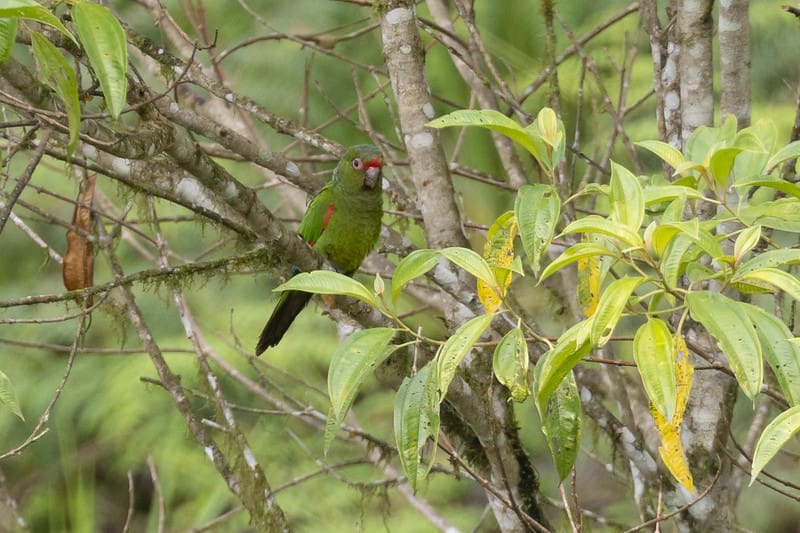
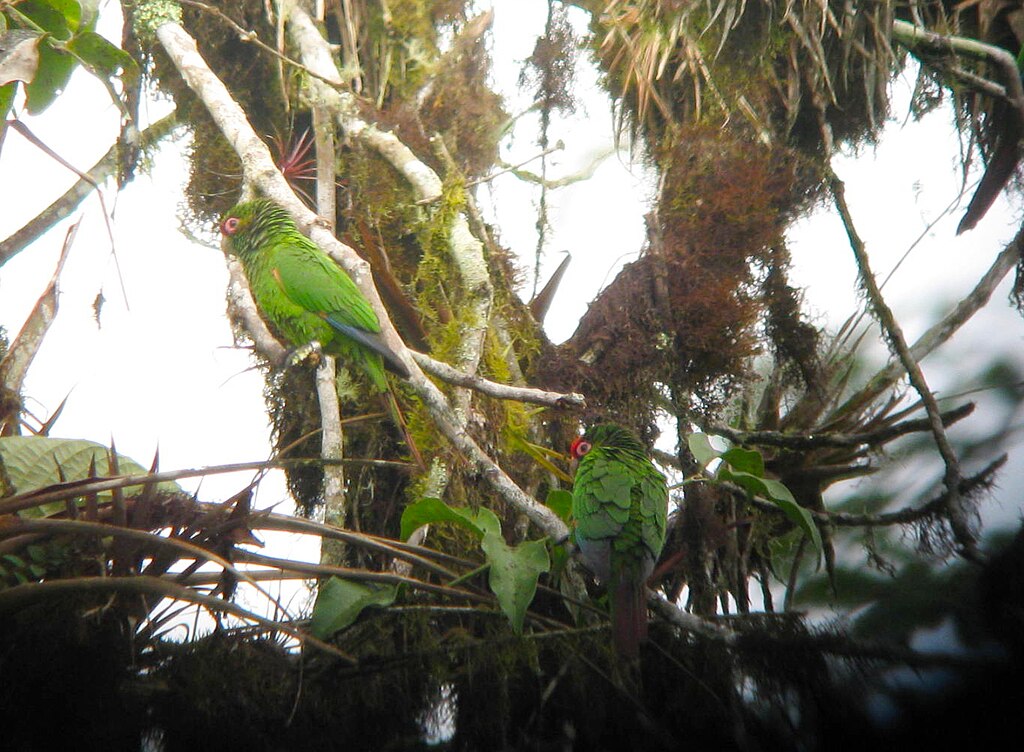
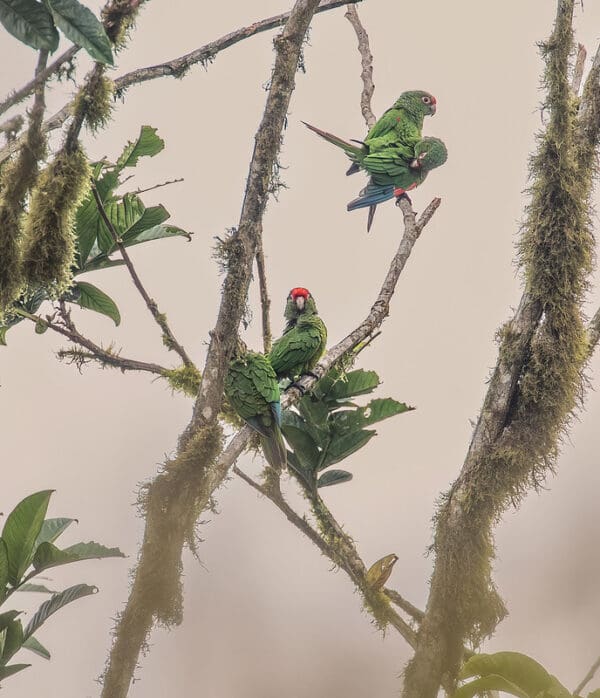
El Oro Conure

( Pyrrhura orcesi )

Also known as:
El Oro Parakeet, Orces parakeet

Also known as:
El Oro Parakeet, Orces parakeet

Type :
Geography:

DID YOU KNOW?

Wild El Oro Conures have been observed drinking out of small bromeliads, which are fleshy, green plants that trap rainwater.

<p><em>Pyrrhura</em></p>
Genus:

Pyrrhura

<p><em>orcesi</em></p>
Species:

orcesi

Size:

22 cm (8.6 in)

Weight:

65-75 g (2.3-2.6 oz)

Subspecies including nominate:

one

Colour Adult:

Male-mainly green in colour; red lores and forehead; slight dull maroon tinge on abdomen; red bend of wing, carpal edge and primary coverts; green tail with dark brown/maroon tip. Beak horn in colour. Eye ring bare and pink/white. Eye dark brown. Female-as in male but with green lores and minimal red on forehead.

Colour Juvenile:

In general duller than female; minimal red on forehead and bend of wing; maroon on abdomen absent.

Call:

Calls in flight are harsh and trilling; quieter, chirruping notes while perched.

Xeno-canto Wildife Sounds-El Oro Conure

More Information:

Avibase

Content Sources:

CITES
BirdLife International
Cornell Lab of Ornithology/Birds of the World
A Guide to Parrots of the World, Juniper and Parr, 1998
Parrots of the World, Forshaw, 2006. 2010 edition
Vanished and Vanishing Parrots, Forshaw, 2017.
H. M. Schaefer in litt. 2012.

Captive Status:

Not seen in aviculture.

Longevity:

Housing:

Diet:

Enrichment:

Nest Box Size:

Clutch Size:

Not recorded.

Fledging Age:

Hatch Weight:

Peak Weight:

Weaning Weight:

World Population:

250-1000 mature individuals, decreasing.

IUCN Red List Status:
Endangered

CITES Listing:
Appendix II

Threat Summary:

A BirdLife “restricted-range” species. Is at risk because of wide-ranging deforestation in W Ecuador. Also threatened by loss of genetic diversity caused by population bottlenecks (events that drastically reduce the size of a population). Climate change is apparently causing a rapid upslope shift of the distribution range, which is leading to a drastic decrease in habitat availability and range size.

Range:

Found on the Pacific slope of the Andes in southwest Ecuador, from Manta Real (Azuay) to Buenaventura Reserve (El Oro).

Habitat:

Found from 300-1200 m (984-3936 ft) in moist epiphyte-rich cloud forest in the upper tropical zone in primary forest. Also may be seen in orchards and gardens with remnant patches of wet forest nearby.

Wild Diet:

Recorded food items include seeds, fruits and blossoms, including Cecropia flowers, Ficus and Hyeronima fruits, and Heliocarpus popayanensis.

Ecology and Behaviour:

Seen in flocks of 4-12 individuals and sometimes up to 60. Noisy and conspicuous in flight. Feeds quietly in upper stages of the canopy, repeatedly returning to the same fruiting tree. May undertake seasonal altitudinal movements.

Clutch and Egg Size:

Not recorded.

Breeding Season:

March-July.

Join Our Flock

FlockTalk our monthly newsletter for parrot people everywhere:

+ News from the world of parrots

+ Updates on wild parrot projects

+ Inspiring updates from partners

+ Real stories from the parrot flock

+ Plus, expert tips for caring for your feathered friends at home.


Stay In The Loop, Sign Up Now.
FlockTalk: our monthly newsletter for parrot people everywhere:

Parrot news. Conservation wins. Pet care tips. All in one monthly email.

We do not sell or share your information with anyone.