LEARN

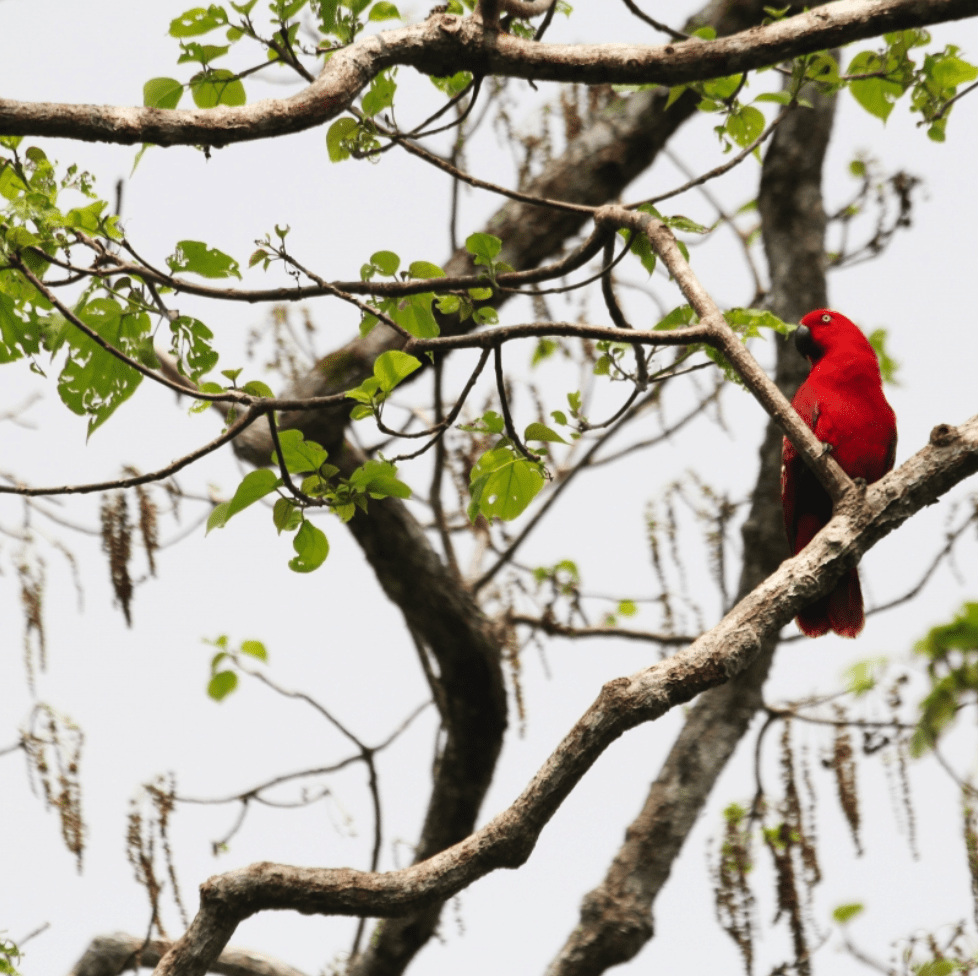
Sumba Eclectus

( Eclectus cornelia )

Type :
Geography:

DID YOU KNOW?

The Eclectus Parrot species was split in 2019 to four new taxa: Moluccan, Papuan, Tanimbar and Sumba Eclectus.

<p><em>Eclectus</em></p>
Genus:

Eclectus

<p><em>cornelia</em></p>
Species:

cornelia

Size:

35 cm (13.6 in)

Weight:

450-600 g (15.75-21 oz)

Subspecies including nominate:

one

Colour Adult:

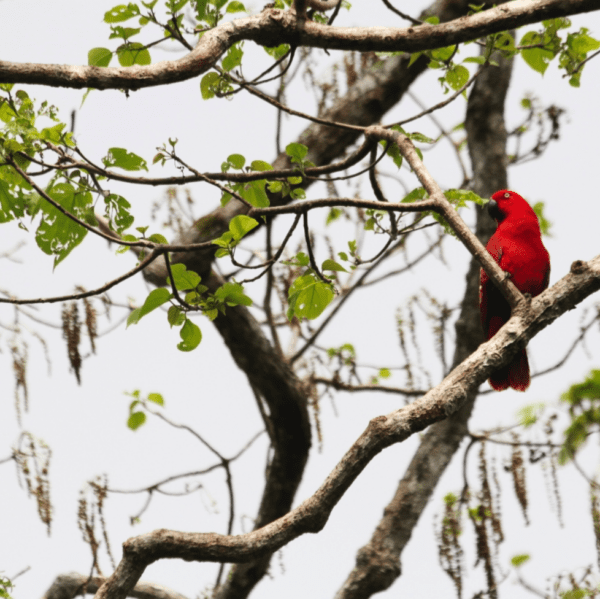
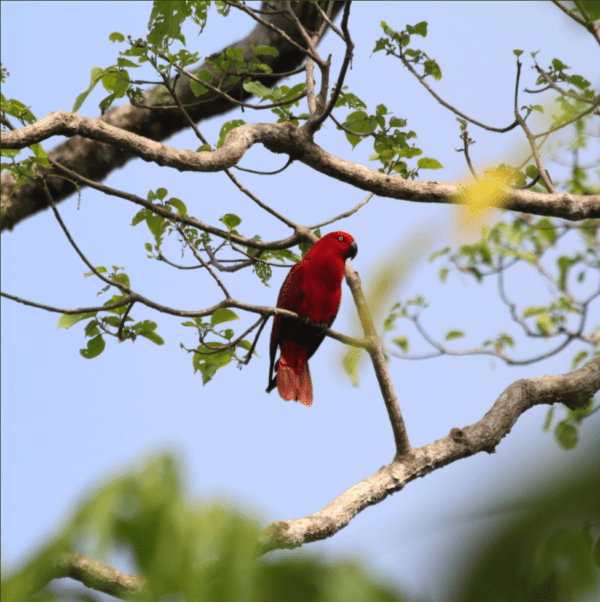
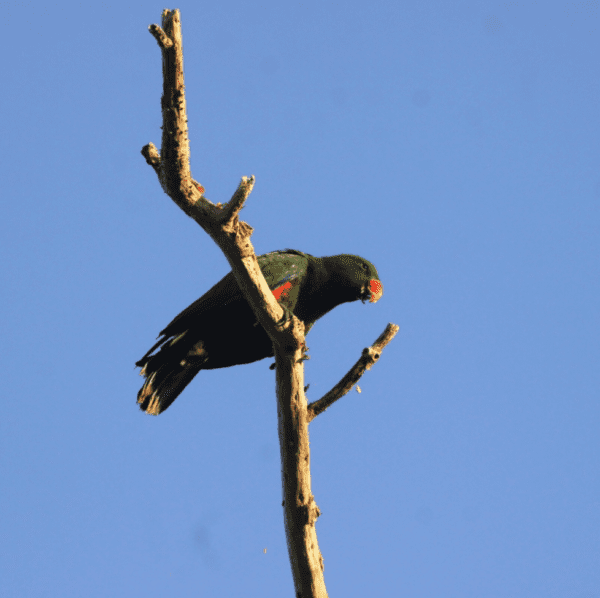
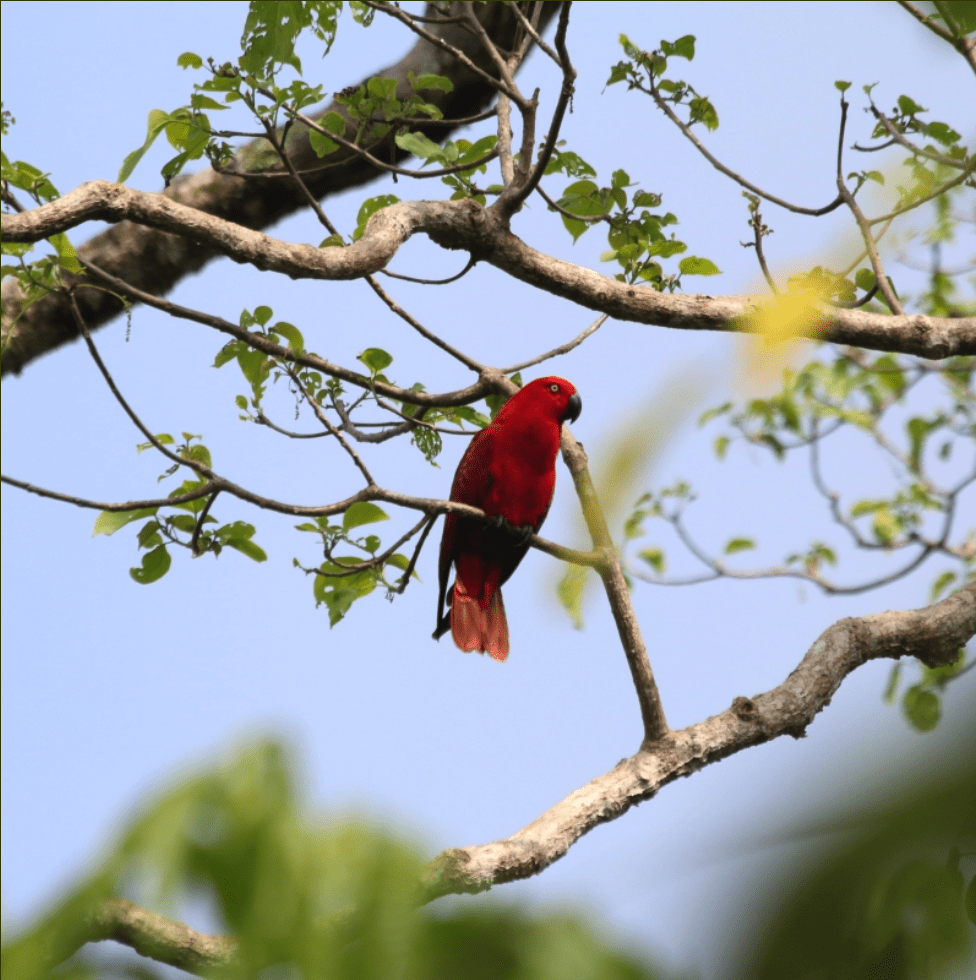
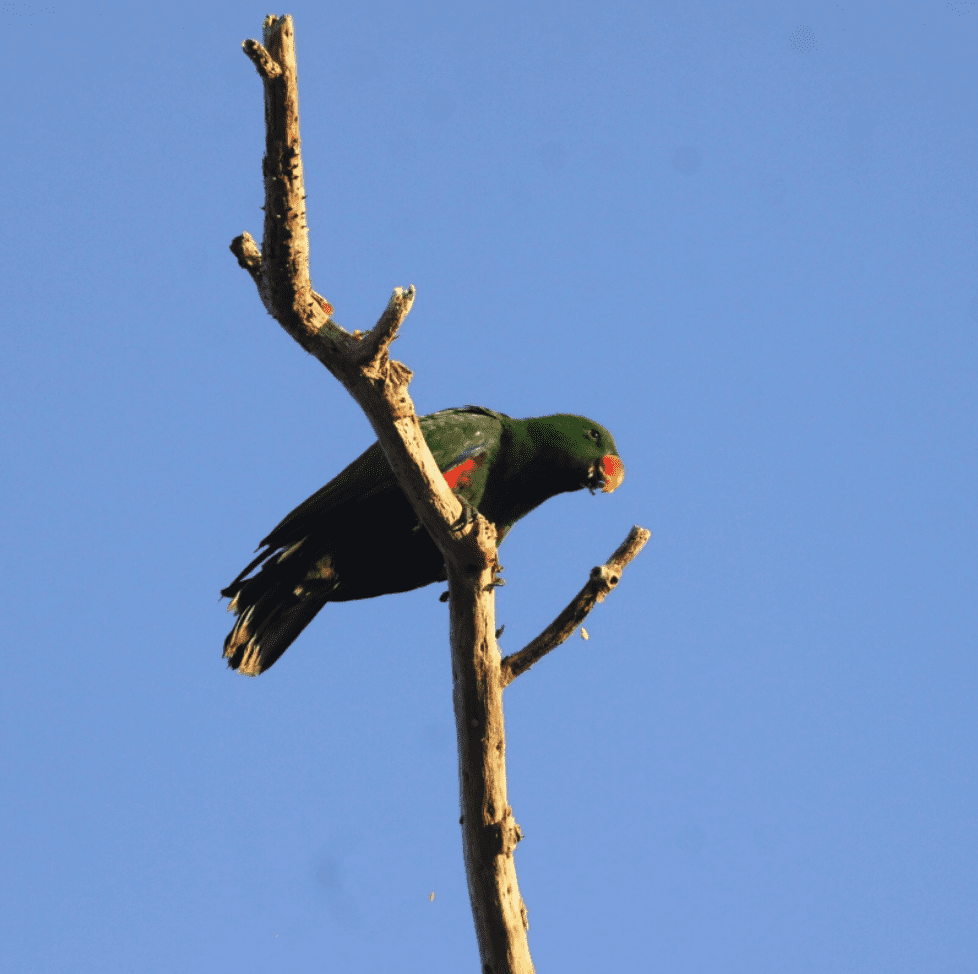
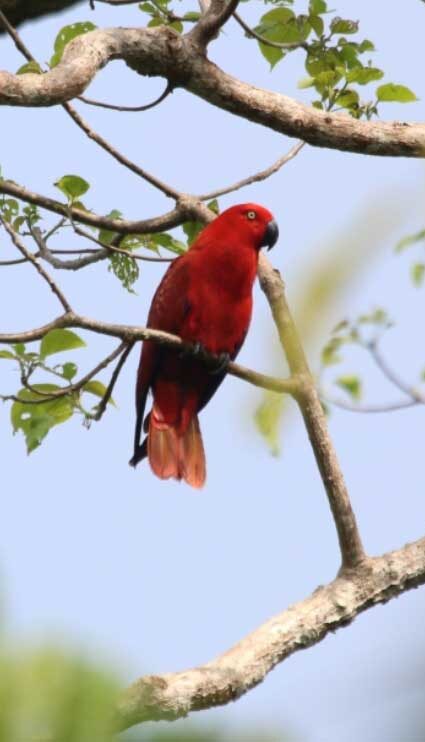
Male-as in roratus, but head, upperparts and neck paler green; tail strongly washed with blue; larger in size. Female-entire body red with lilac/blue underwing coverts; larger in size.

Colour Juvenile:

As in adults but duller; in both sexes upper mandible dark brown/grey tipped yellow. Eye brown.

Call:

In flight: loud, rough screech repeated continuously or in short bursts.  Various alarm calls, more mellow calls and a bell-like sound possibly heard before mating.

More Information:

Avibase

Content Sources:

BirdLife International
Cornell Lab of Ornithology/Birds of the World
Parrots of the World, Forshaw and Knight, 2010.

Captive Status:

Not found in captivity outside of Indonesia.

Longevity:

Housing:

Diet:

Not recorded.

Enrichment:

Nest Box Size:

Clutch Size:

Probably 2 eggs.

Fledging Age:

Hatch Weight:

Peak Weight:

Weaning Weight:

World Population:

1000-2500 mature individuals, decreasing.

IUCN Red List Status:
Endangered

CITES Listing:
Appendix II

Threat Summary:

The species’ small population is declining due to trapping for local and international trade (which targets the females for their colour), and selective logging of large trees. However, more recently trapping is thought to have been greatly reduced following a trade ban for the Yellow-crested Cockatoo, which was suffering extreme exploitation, but this did not apply to Sumba Eclectus and some capture is believed to continue.

Range:

Sumba, Lesser Sunda Islands.

Habitat:

Is found in the canopy of primary and secondary lowland forest and also coast to mid-montane areas. May forage in coastal scrub, denser savanna woodland, plantations, secondary growth and garden areas but requires very large deciduous trees, mainly Tetrameles nudiflora, with natural cavities for nesting.

Wild Diet:

Feeds on fruits, seeds, nuts, leaf-buds and blossoms, mainly Parinarium and Pandanus. Will forage in gardens.

Ecology and Behaviour:

Birds are found singly, in pairs or small groups. Often found soaring high above the forest calling loudly. Wary; foraging groups found in treetops. Mostly active at dawn and dusk traveling to and from roosting areas.

Clutch and Egg Size:

2, broad, ovate shaped, 40.0 x 31.0 mm (1.5 x 1.2 in).

Breeding Season:

April-September. Nest is in tree hollow.

Join Our Flock

FlockTalk our monthly newsletter for parrot people everywhere:

+ News from the world of parrots

+ Updates on wild parrot projects

+ Inspiring updates from partners

+ Real stories from the parrot flock

+ Plus, expert tips for caring for your feathered friends at home.


Stay In The Loop, Sign Up Now.
FlockTalk: our monthly newsletter for parrot people everywhere:

Parrot news. Conservation wins. Pet care tips. All in one monthly email.

We do not sell or share your information with anyone.