LEARN

Black-cheeked Lovebird

( Agapornis nigrigenis )

Also known as:
Black-faced Lovebird

Also known as:
Black-faced Lovebird

Geography:

DID YOU KNOW?

Because the agricultural potential of the lands where this species is from is poor the possibility of large-scale habitat loss due to cultivation and expansion is not impending.

<p><em>Agapornis</em></p>
Genus:

Agapornis

<p><em>nigrigenis</em></p>
Species:

nigrigenis

Size:

13-14 cm (5-5.5 in)

Weight:

40 g (1.4 oz)

Subspecies including nominate:

one

Colour Adult:

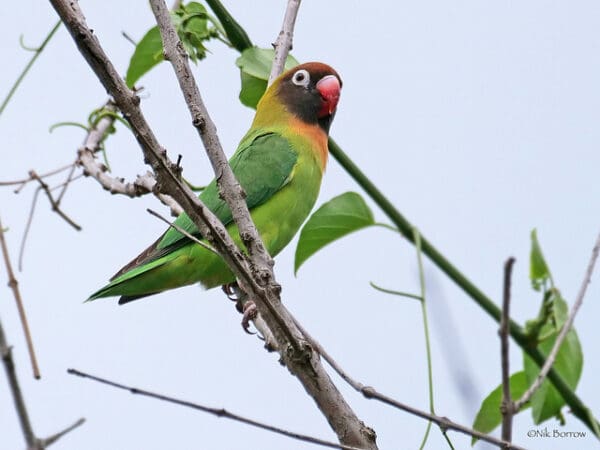
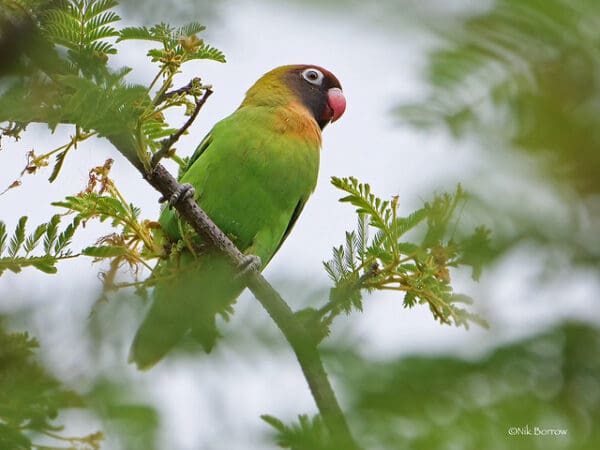
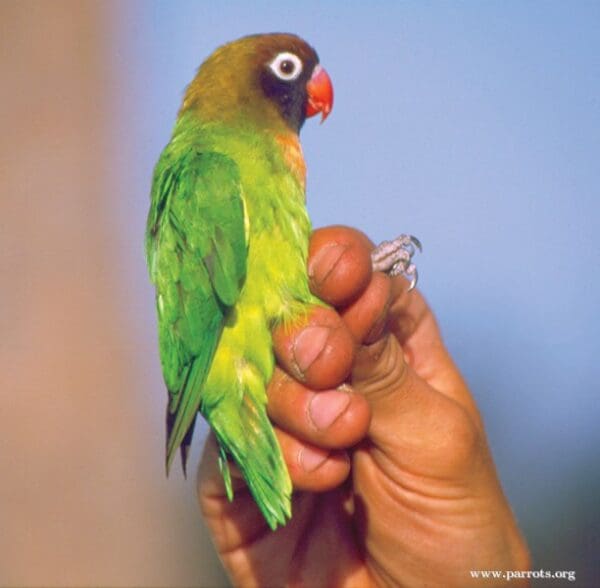
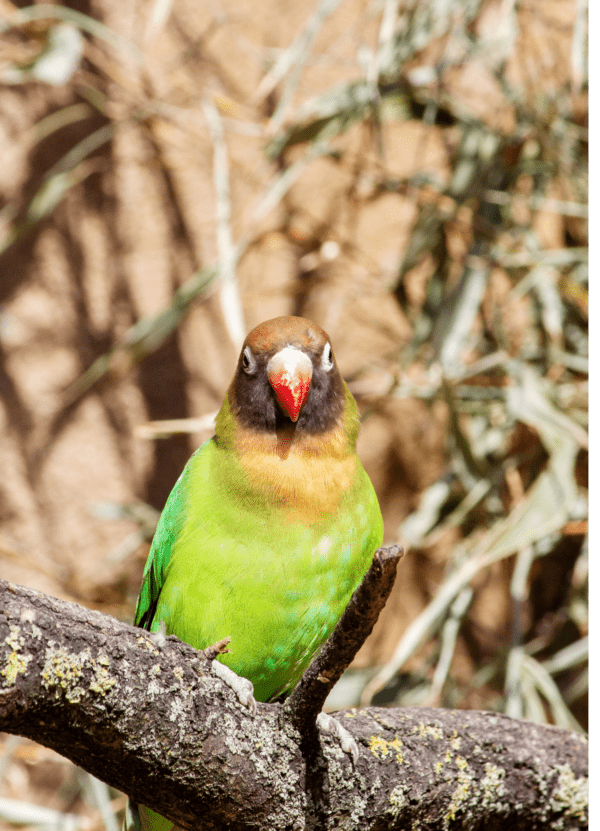
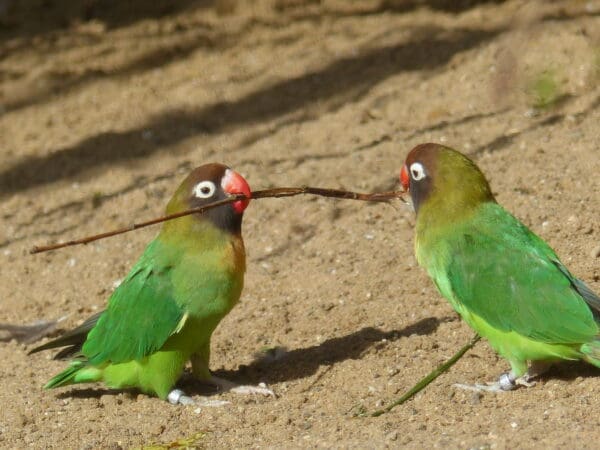
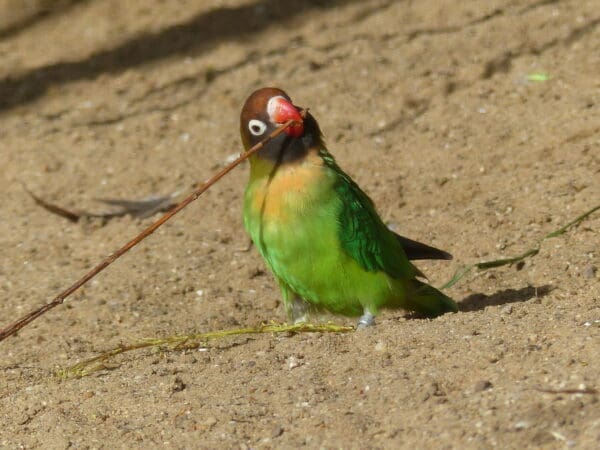
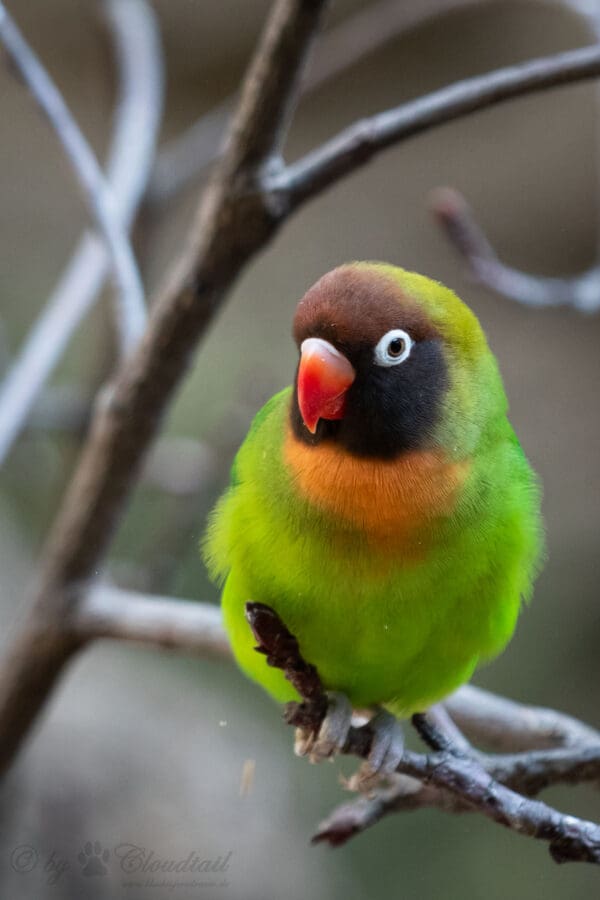
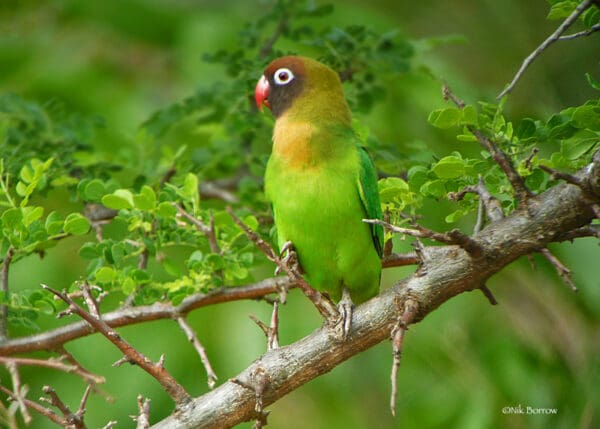
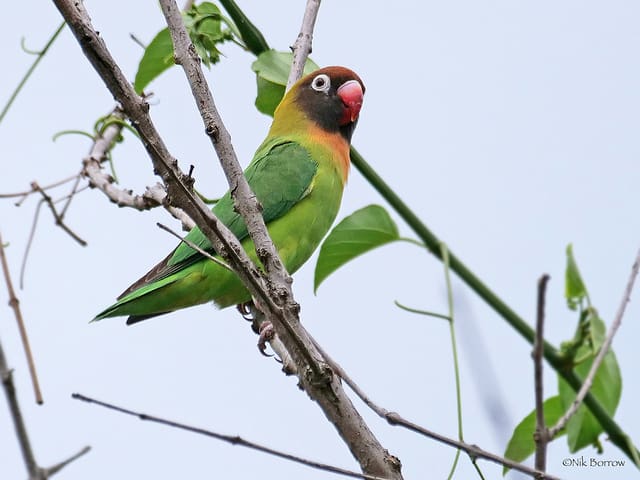
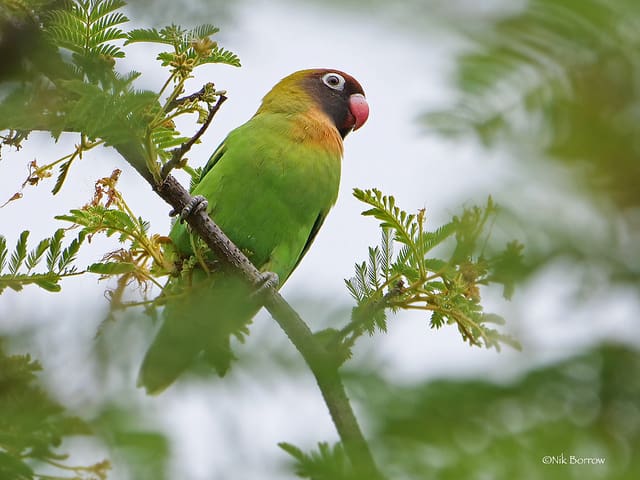
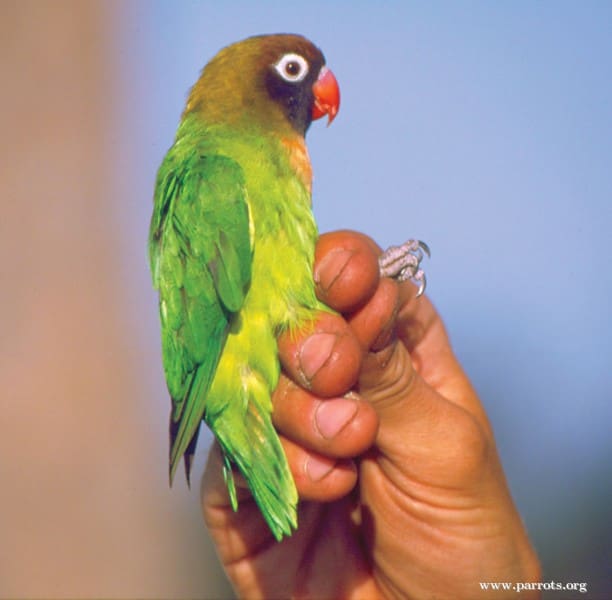
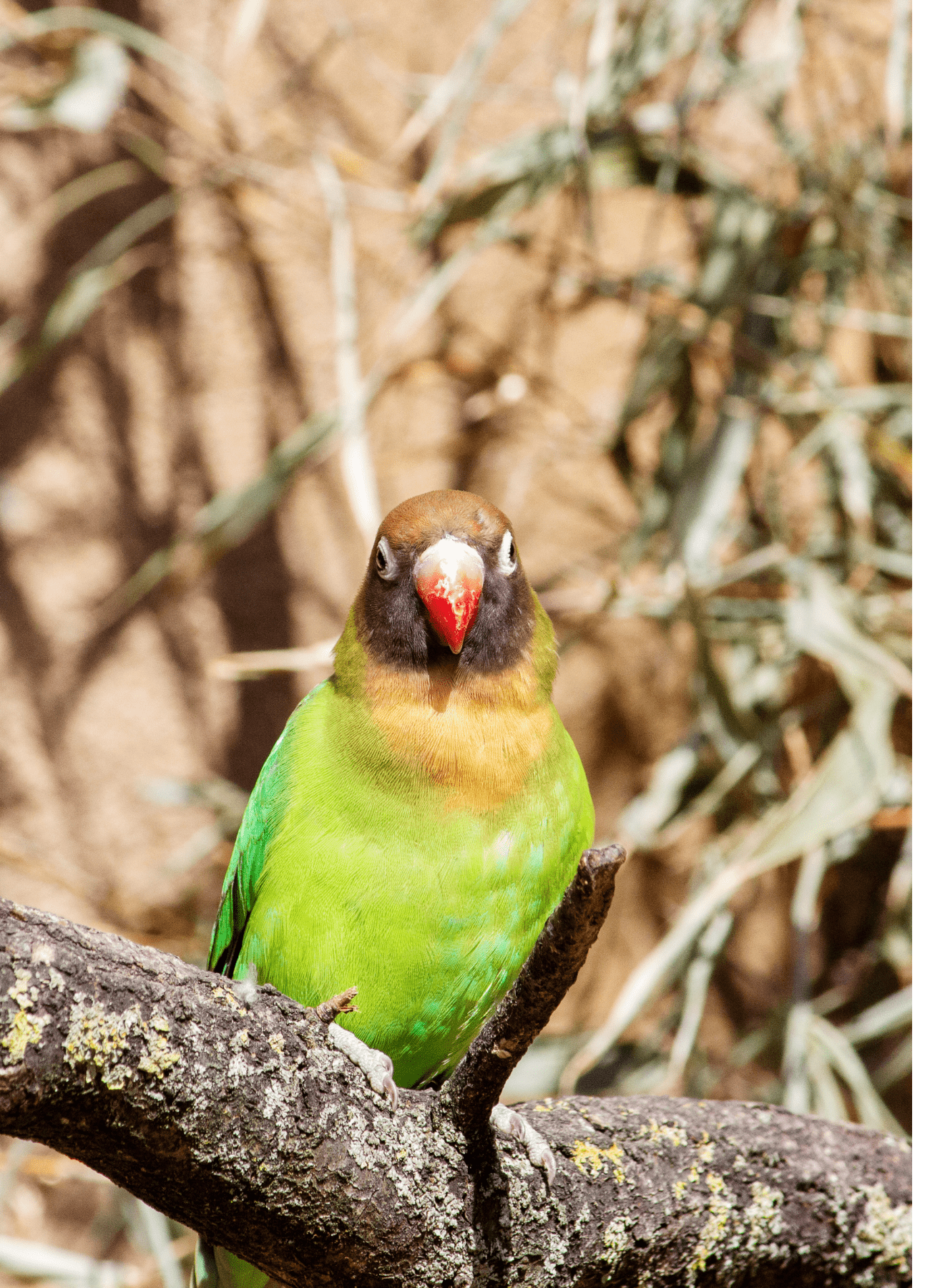
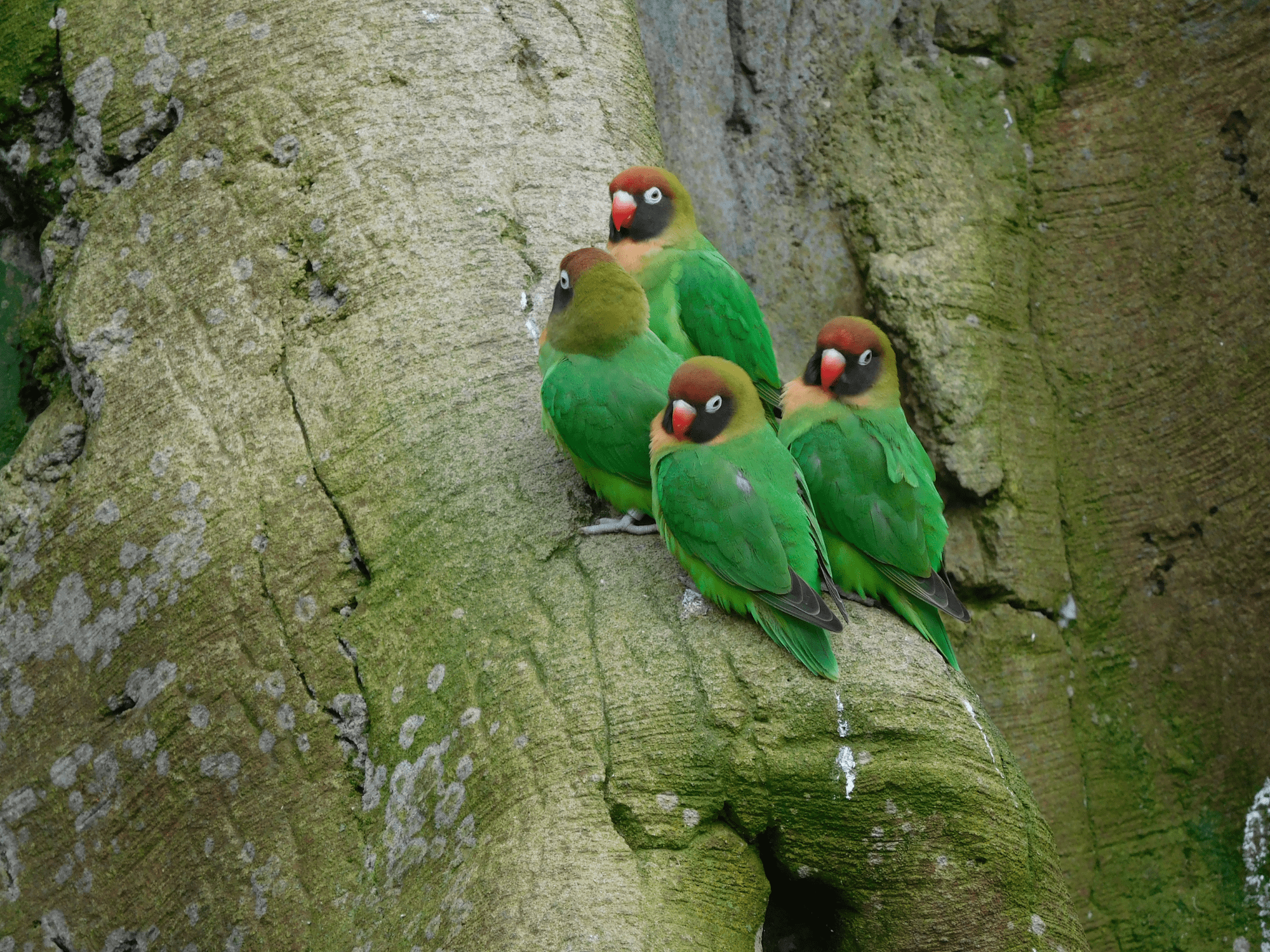
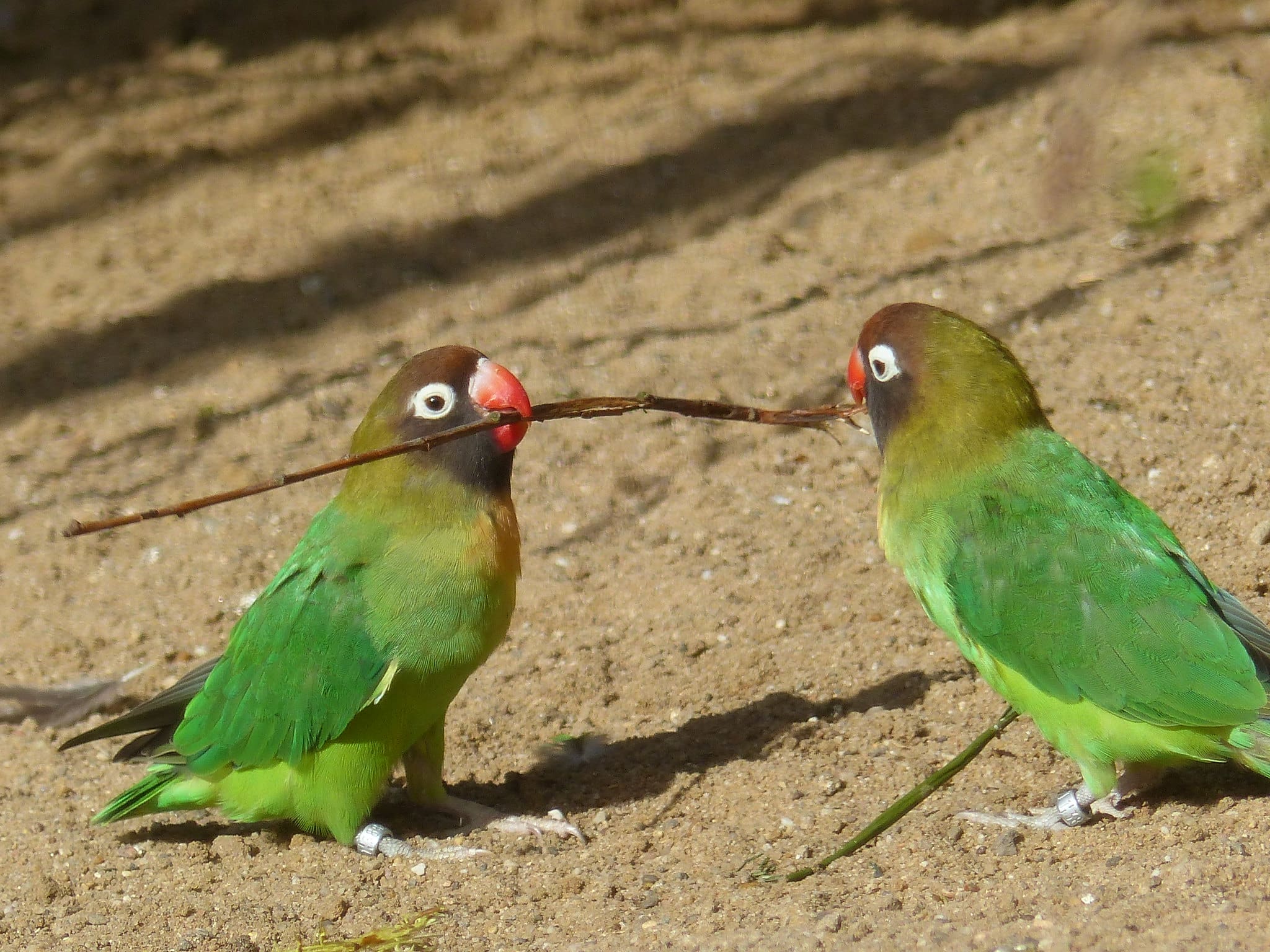
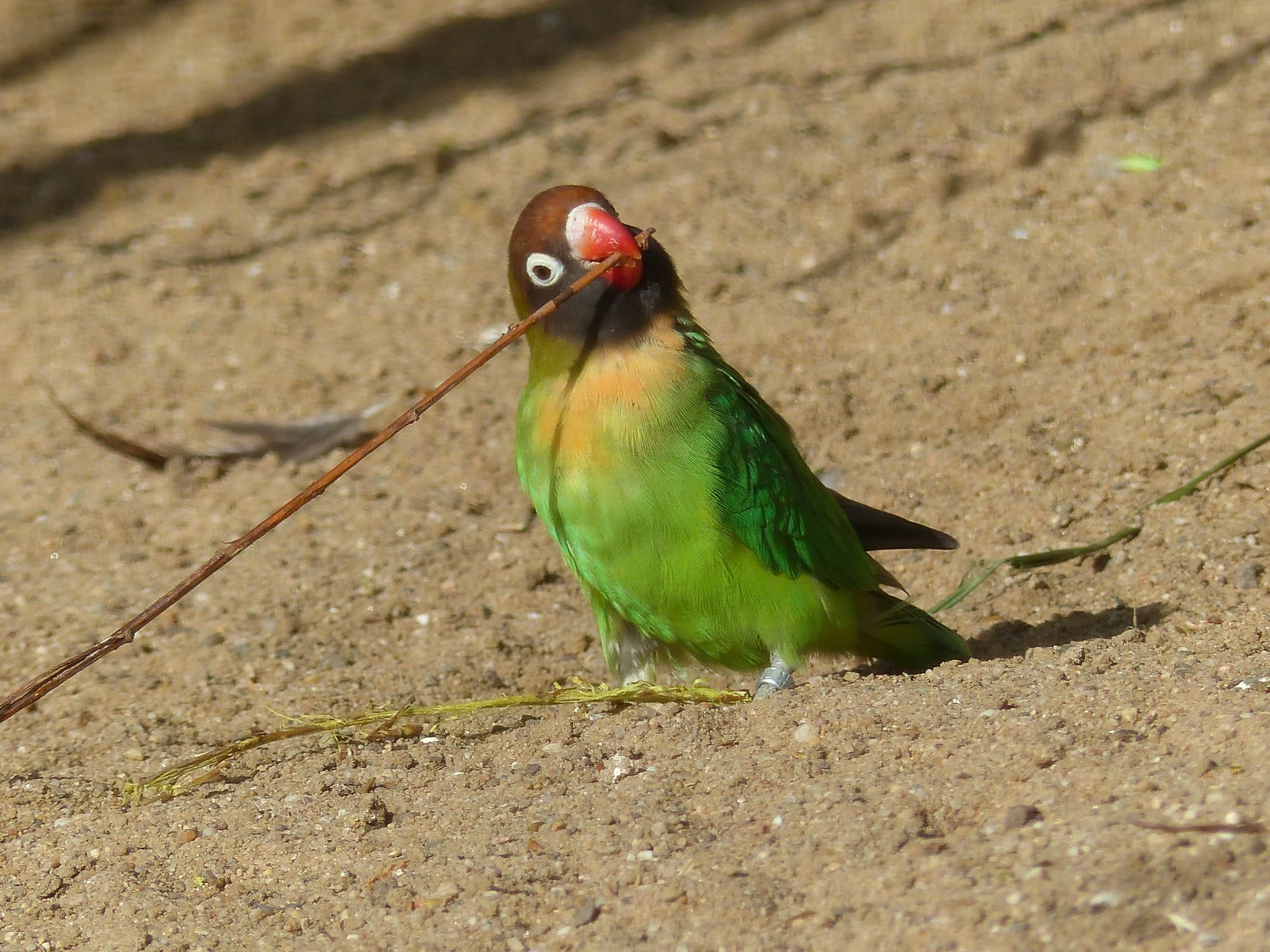
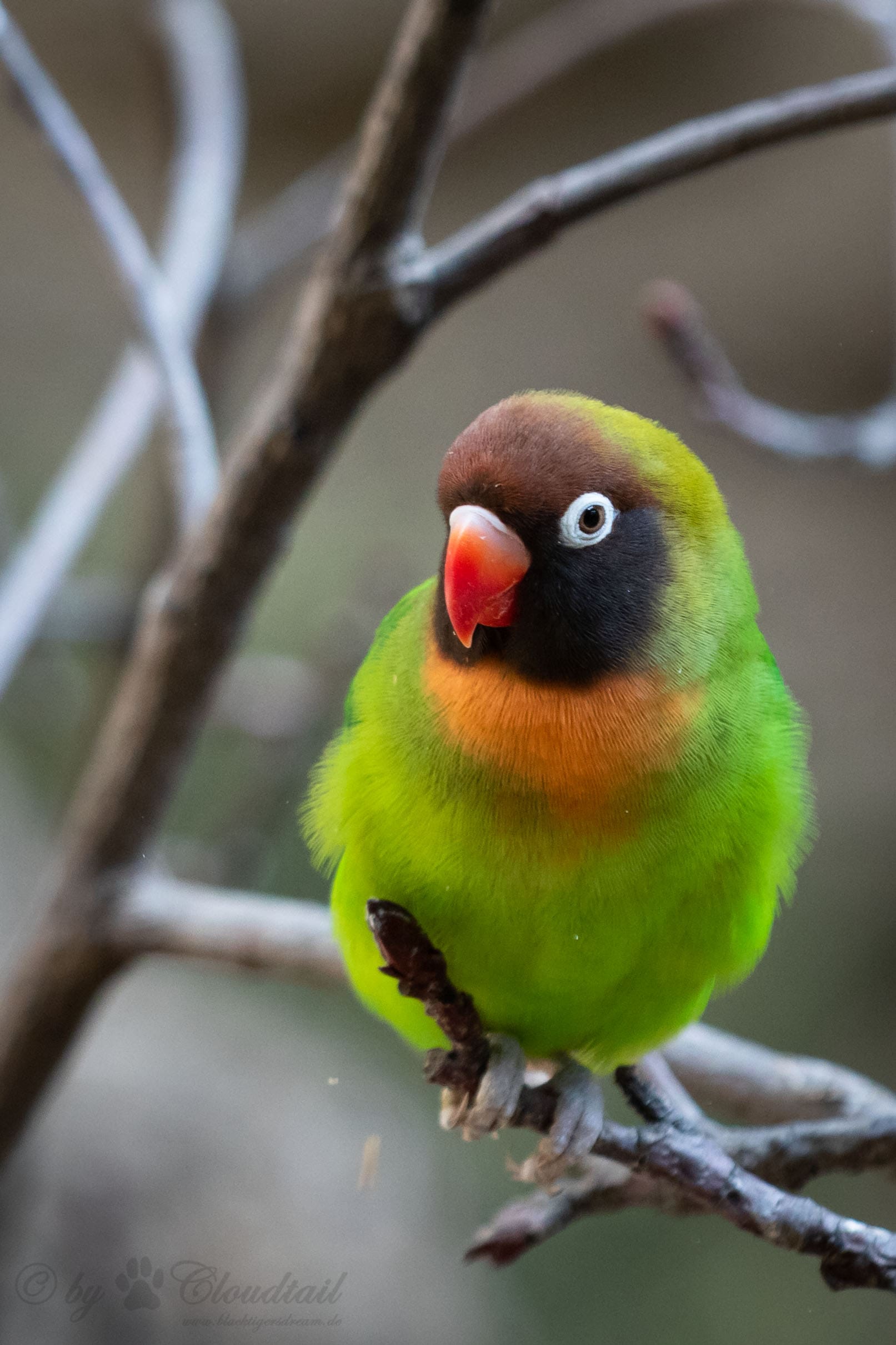
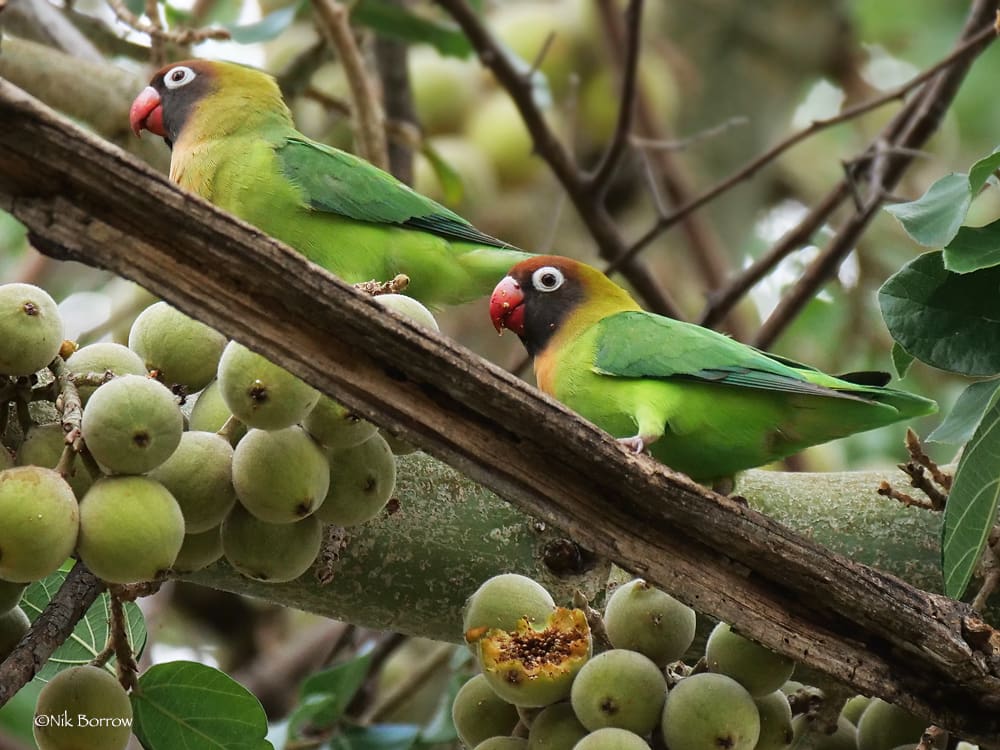
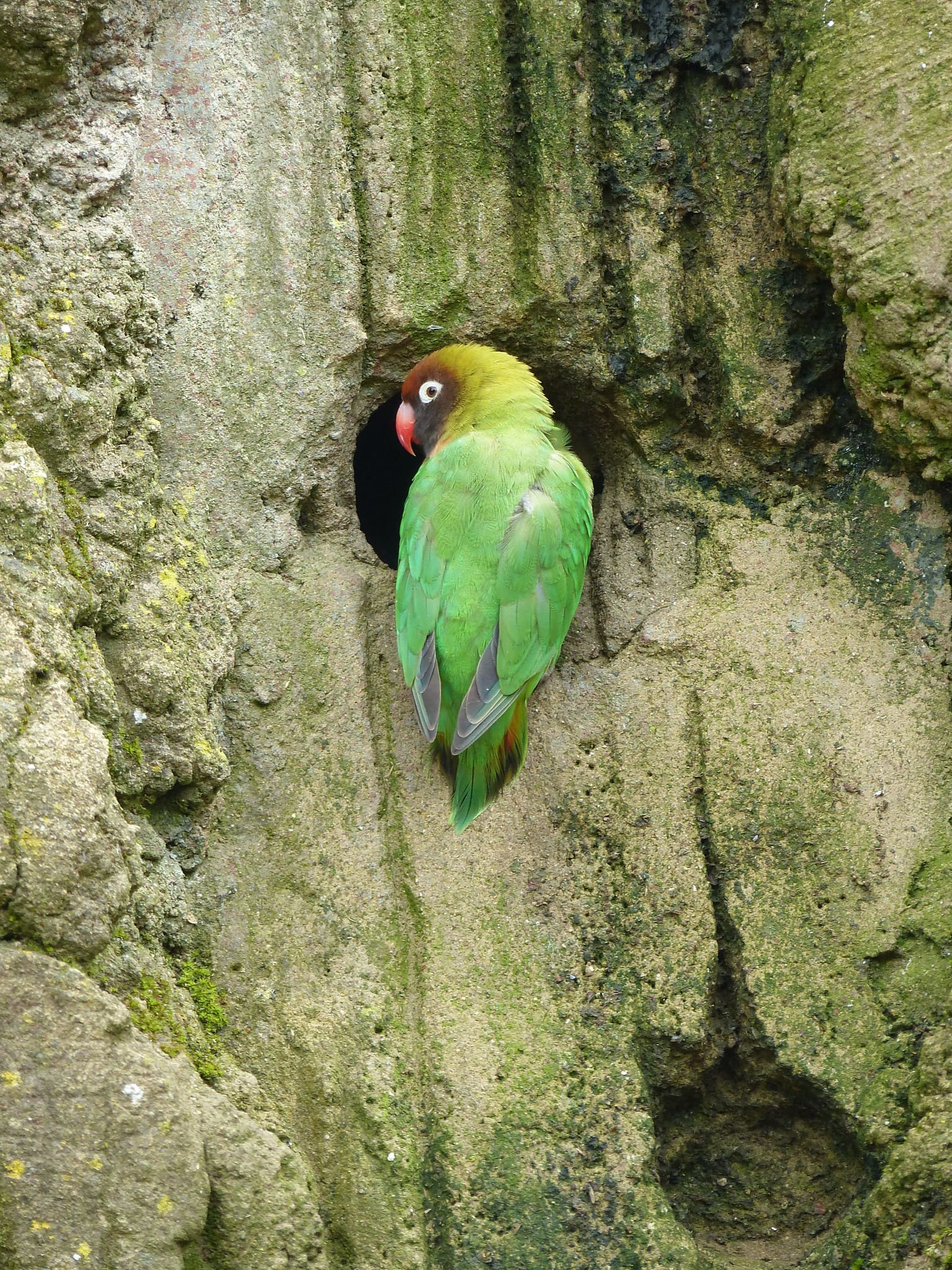
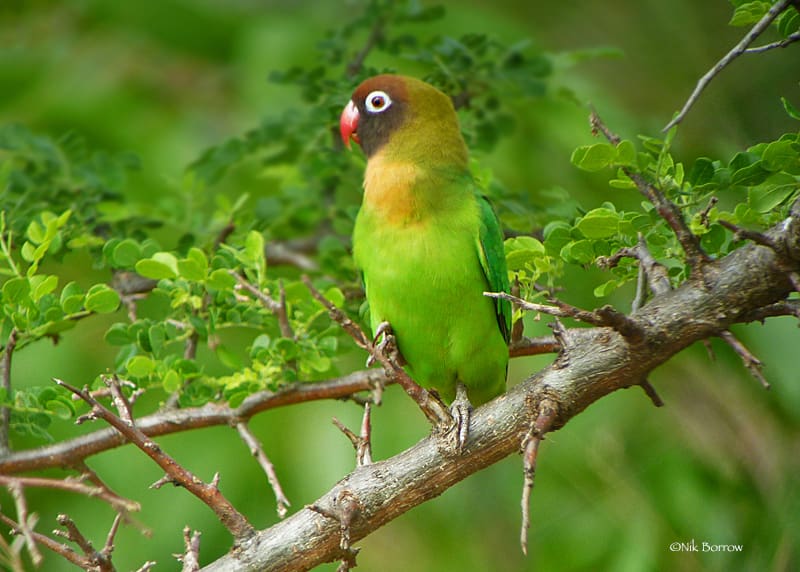
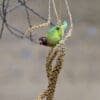
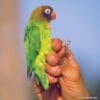
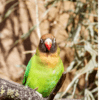
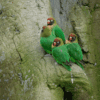
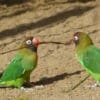
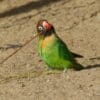
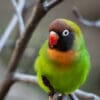
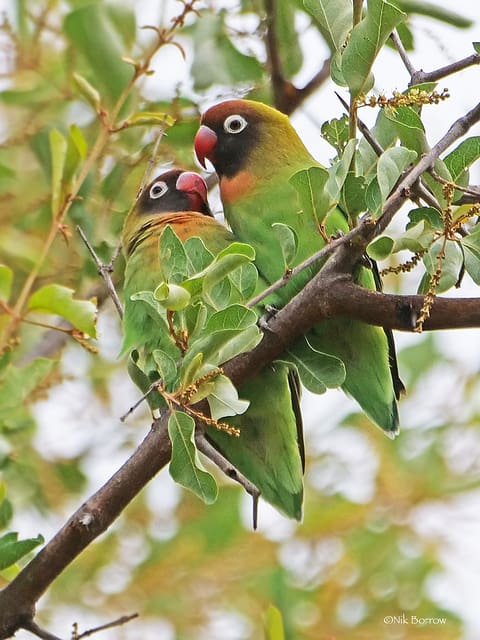
Both adults dark face with olive-coloured nape; green body and rump; pinkish/rust patch on chest; tail green. Bold white eye-ring, dark eye. Red beak.

Colour Juvenile:

As in adult but with dark green underparts; black at base of beak.

Call:

Shrill and high-pitched chattering.

Xeno-canto Wildlife Sounds – Black-cheeked Lovebird

Content Sources:

CITES
Avibase
BirdLife International
Cornell Lab of Ornithology/Birds of the World
Parrots: Status Survey and Conservation Plan 2000-2004, Snyder, McGowan, Gilardi and Grajal, 2000.
Parrots of the World, Forshaw and Cooper, 1977, 1989.
A Guide to Parrots of the World, Juniper and Parr, 1998.
Parrots of the World, Forshaw, 2006.
Parrots in Aviculture, Low, 1992.
Parrots: Their Care and Breeding, Low, 1986.

Captive Status:

Rare in aviculture.

Longevity:

20 yrs

Housing:

Cage or aviary, indoors or outdoors, minimum length 1.2 m (4 ft).

Diet:

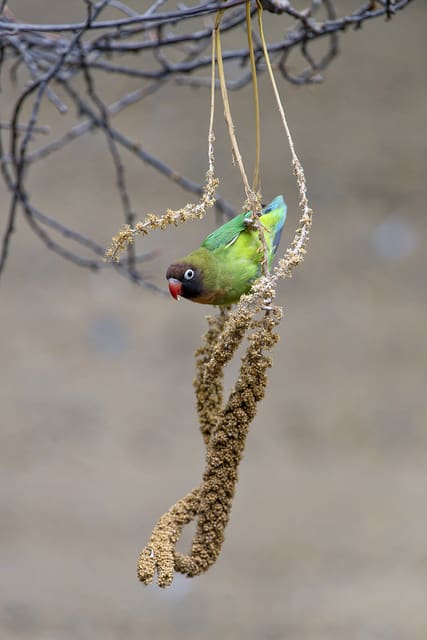
Mixture of small seeds (canary, millet and oats); fruits such as apple, orange, banana; vegetables such as green leaves, carrot, celery, green beans and peas in the pod; spray millet; complete kibble.

Enrichment:

Loves baths, fir tree and other branches, wood toys, swings, ladders, mirrors, vegetable-tanned leather chewable toys.

Nest Box Size:

Vertical box, 6″ x 6″ x 6″ (15 cm x 15 cm x 15 cm).

Clutch Size:

4 to 6

Fledging Age:

6 weeks

Hatch Weight:

Peak Weight:

Weaning Weight:

World Population:

8000-11,500 mature individuals, decreasing.

IUCN Red List Status:
Vulnerable

CITES Listing:
Appendix II

Threat Summary:

A BirdLife ‘restricted-range’ species. Affected by trapping for the wild bird trade; also habitat loss and drought conditions and changing agricultural practices (from sorghum to maize).

Range:

Highly restricted range, from southern Kafue National Park, southwestern Zambia, along the Zambesi valley to Victoria Falls, Zimbabwe. Unconfirmed reports from neighbouring Namibia, Zimbabwe and Botswana.

Habitat:

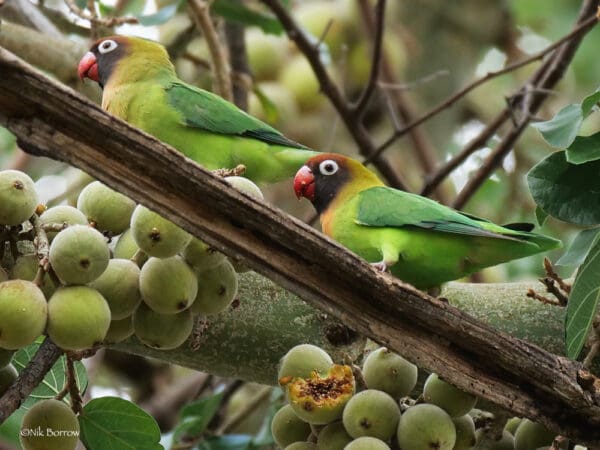
Found in mopane (Colophospermum mopane) but only where adjacent to woodland dominated by Baikiaea plurijuga, with the birds using mopane in the dry season and Baikiaea in the rains. Also occurs in riparian forests and areas with fig trees at 600-1000 m (1968-3280 ft). Is usually within a reasonable distance of a water source for daily drinking.

Wild Diet:

Forages for seeds including: Amaranthus, Rottboellia exaltata, Rhus quartiniana, Albizia anthelmintica, Combretum massambicense and Syzygium guineense, and grass seeds Hyparrhenia and Eragrostis; also young leaves of Pterocarpus antunesiana, grain, flowers, buds, young leaves and berries.

Ecology and Behaviour:

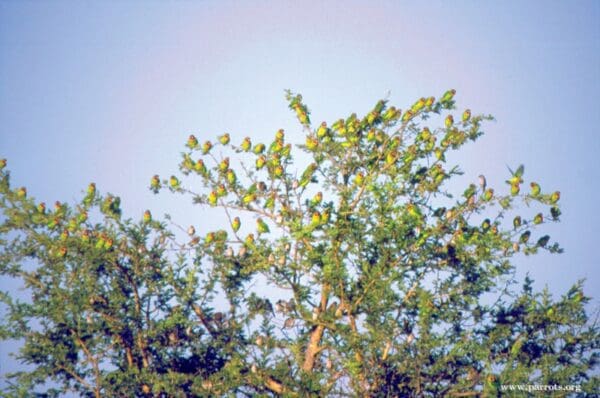
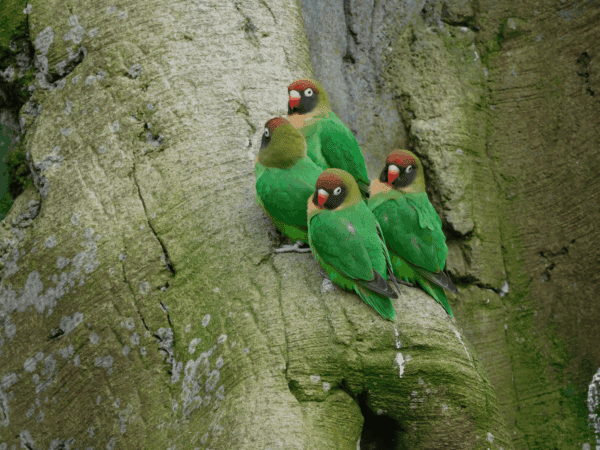
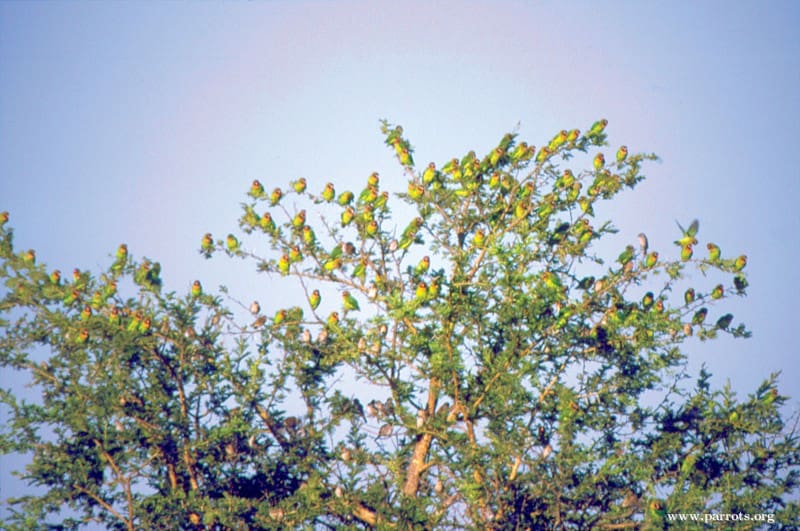
Generally stays near water source, found in flocks of up to a few dozen birds. May roost communally.

Clutch and Egg Size:

4 to 6, slightly elliptical, 21.5 x 16 mm (0.8 x 0.6 in).

Breeding Season:

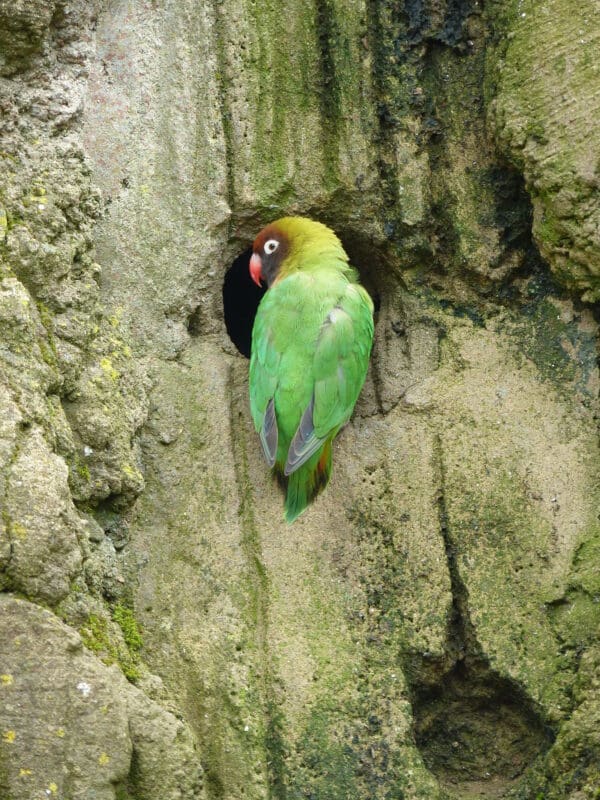
November–December in Zambia; nesting is in large mopane trees.

Related Links:

Join Our Flock

FlockTalk our monthly newsletter for parrot people everywhere:

+ News from the world of parrots

+ Updates on wild parrot projects

+ Inspiring updates from partners

+ Real stories from the parrot flock

+ Plus, expert tips for caring for your feathered friends at home.


Stay In The Loop, Sign Up Now.
FlockTalk: our monthly newsletter for parrot people everywhere:

Parrot news. Conservation wins. Pet care tips. All in one monthly email.
We do not sell or share your information with anyone.