LEARN

Blue-headed Parrot

( Pionus menstruus )

Also known as:
Blue-hooded Parrot, Red-vented Parrot, Blue-headed Pionus

Also known as:
Blue-hooded Parrot, Red-vented Parrot, Blue-headed Pionus

Geography:

DID YOU KNOW?

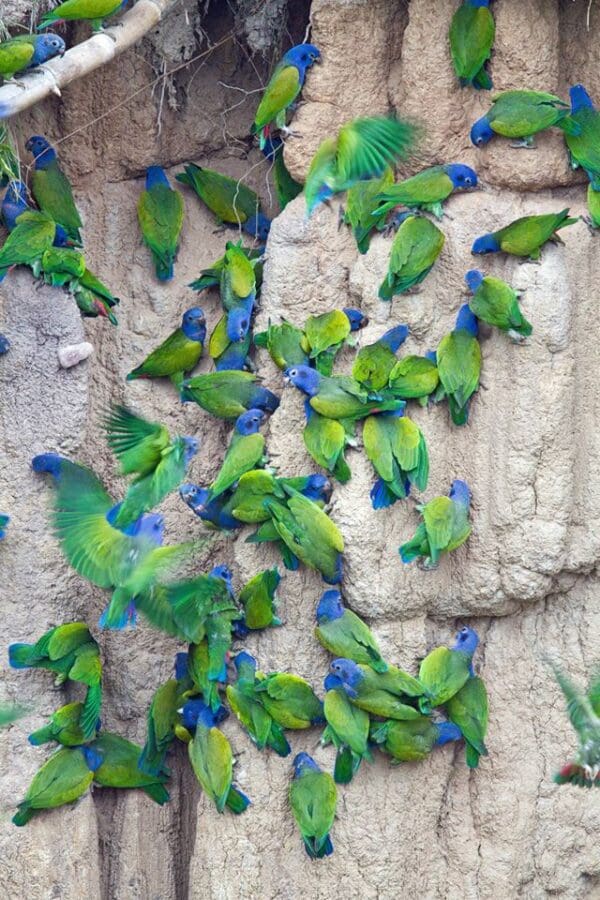
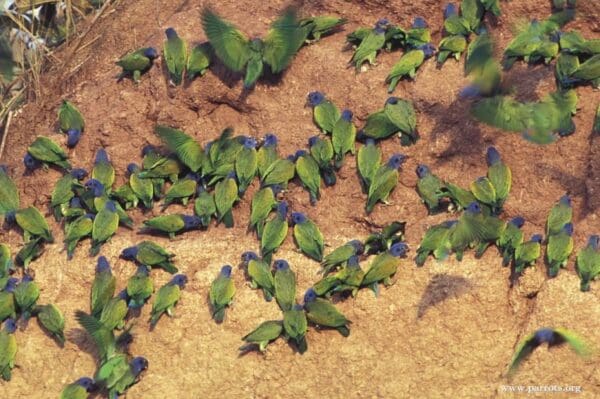
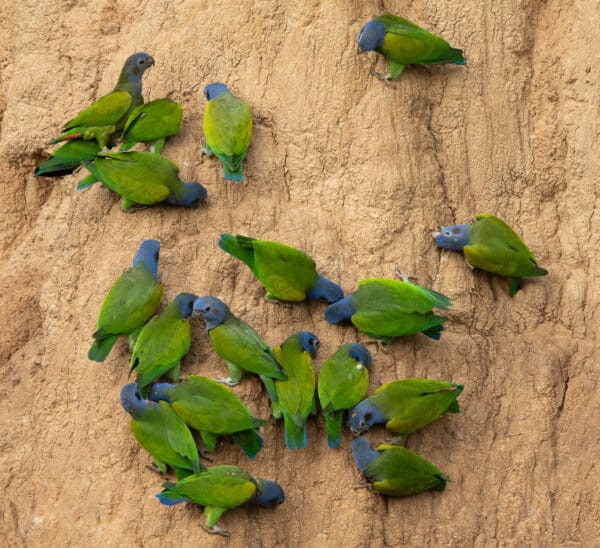
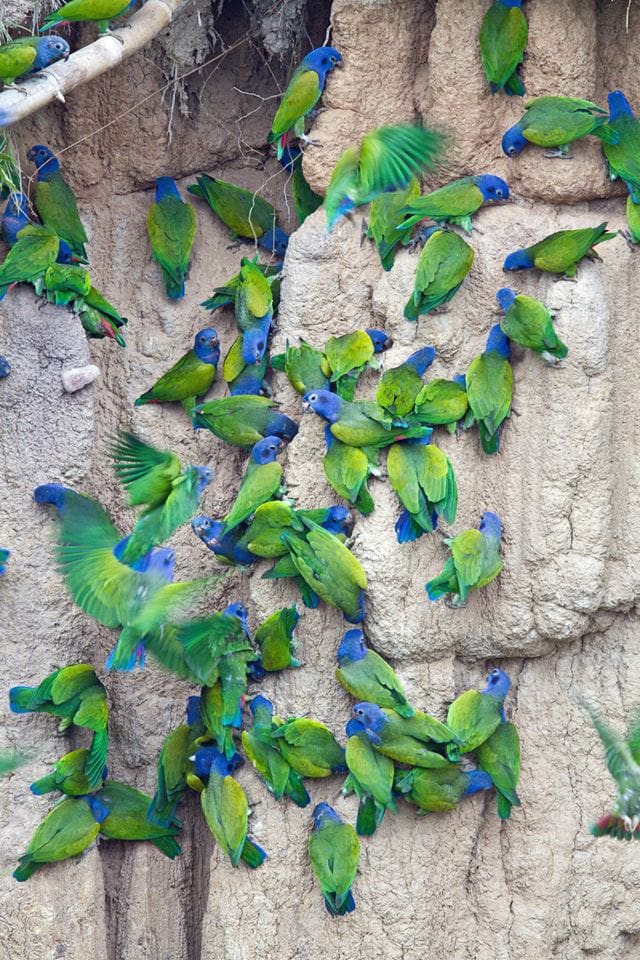
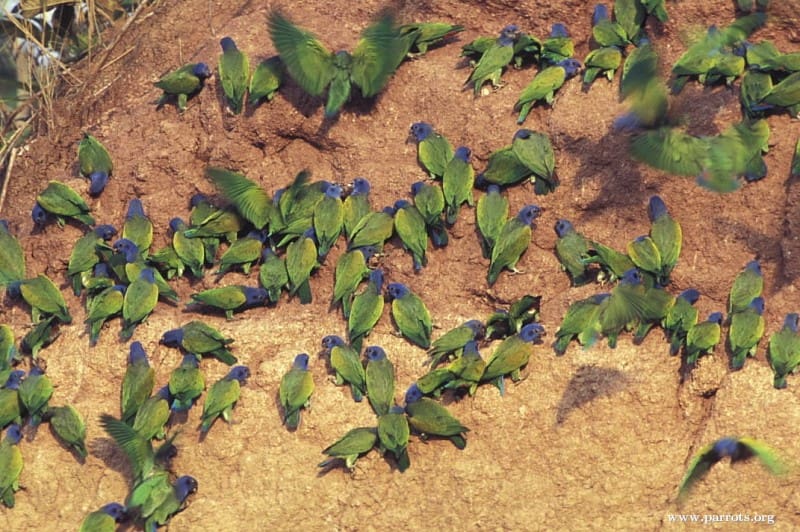
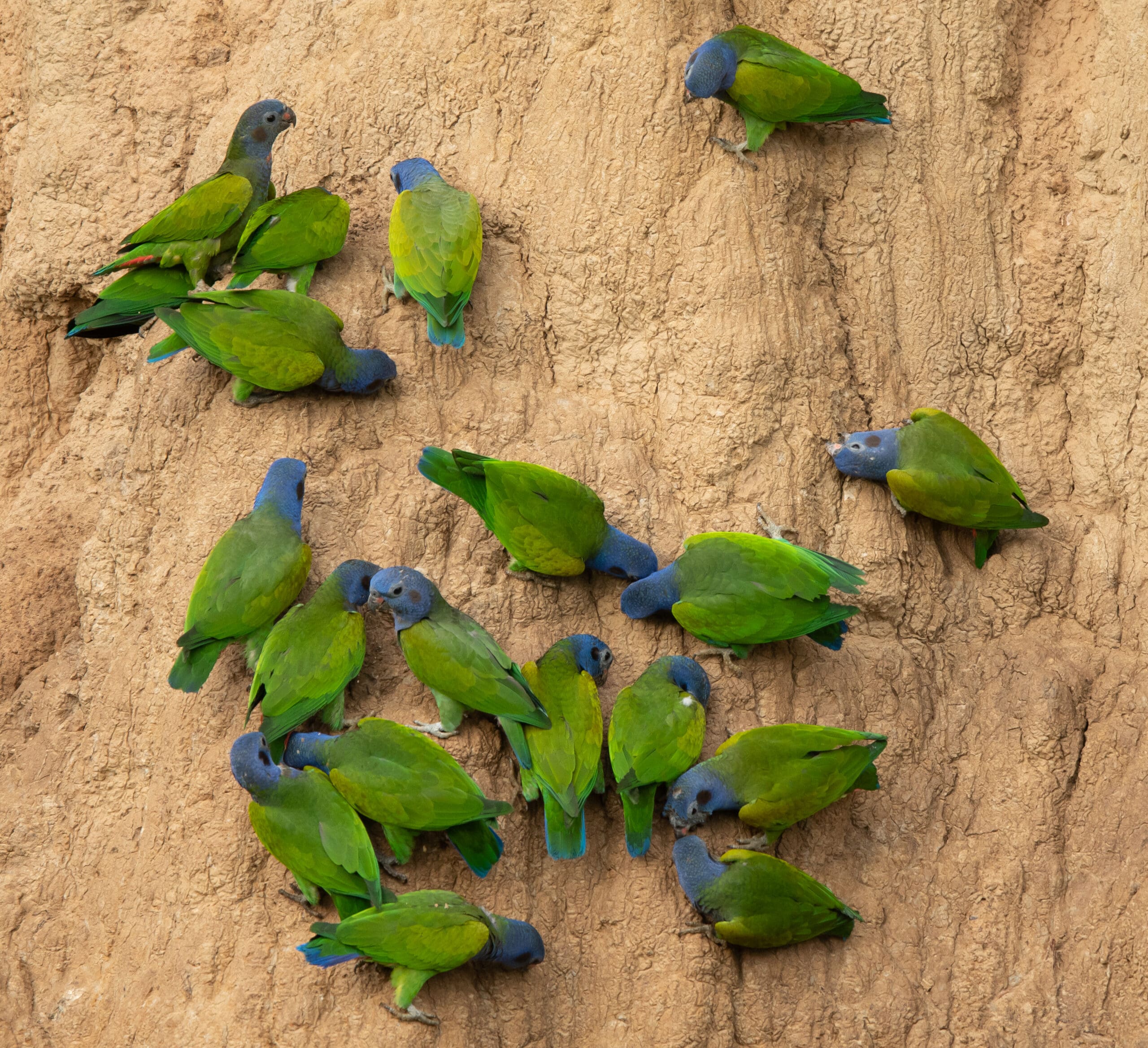
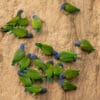
The Blue-headed Parrot, along with many other South American species of parrot, regularly visits clay banks to ingest minerals that neutralize toxins in the seeds it eats.

<p><em>Pionus</em></p>
Genus:

Pionus

<p><em>menstruus</em></p>
Species:

menstruus

Size:

28 cm (10.9 in)

Weight:

234-295 g (8.2-11.5 oz)

Subspecies including nominate:

three: P.m. menstruus, P.m. reichenowi, P.m. rubrigularis

Colour Adult:

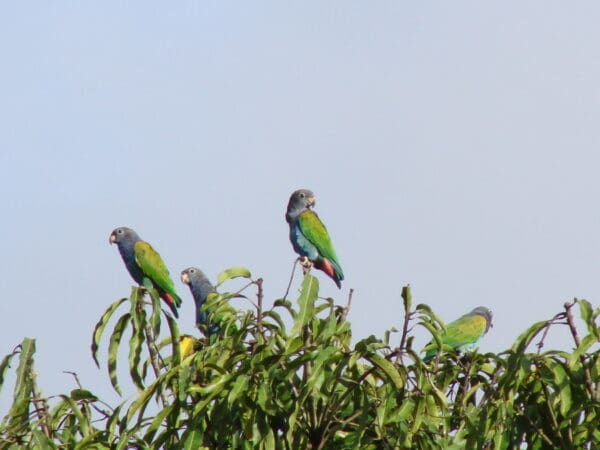
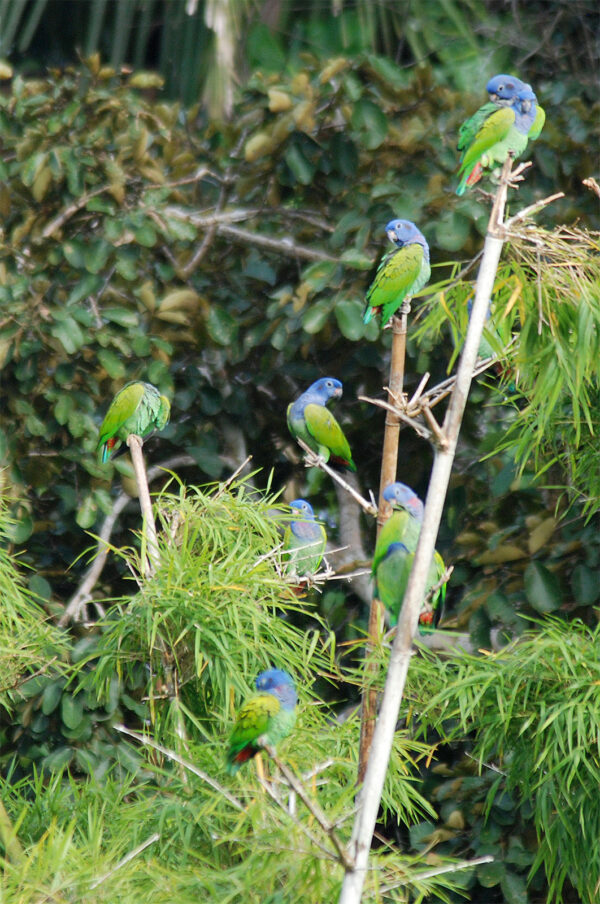
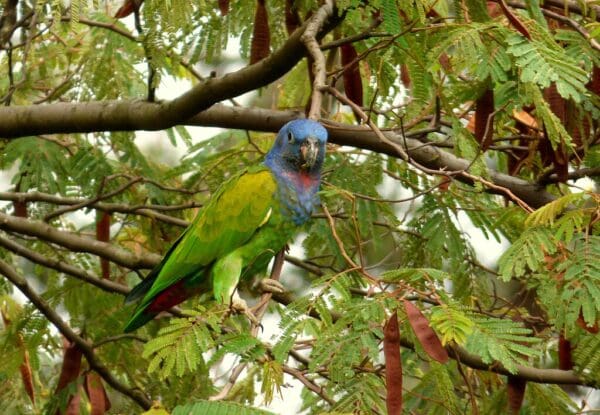
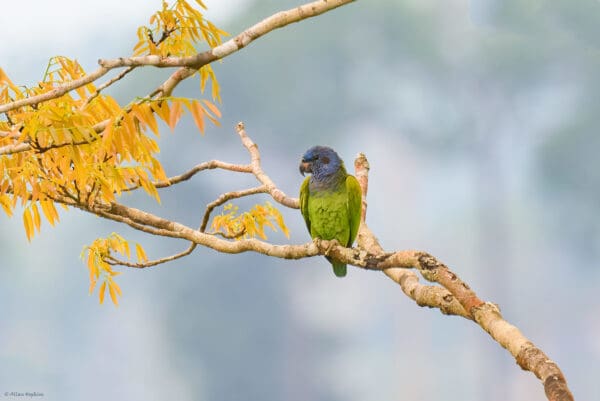
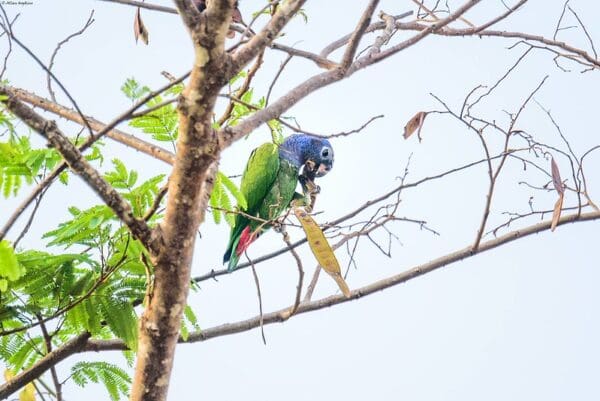
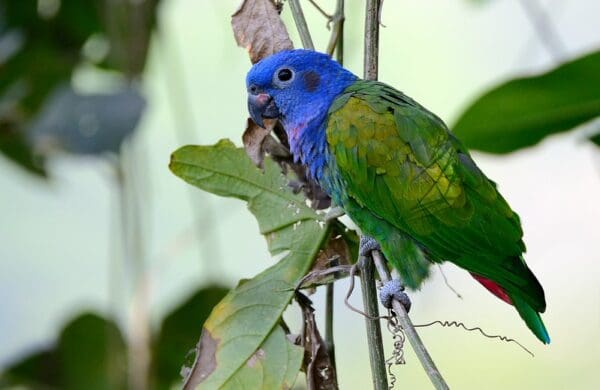
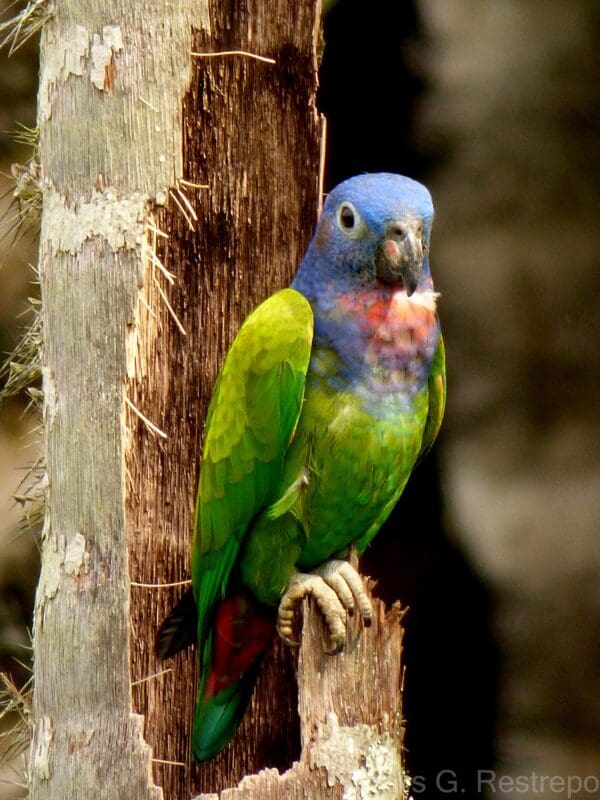
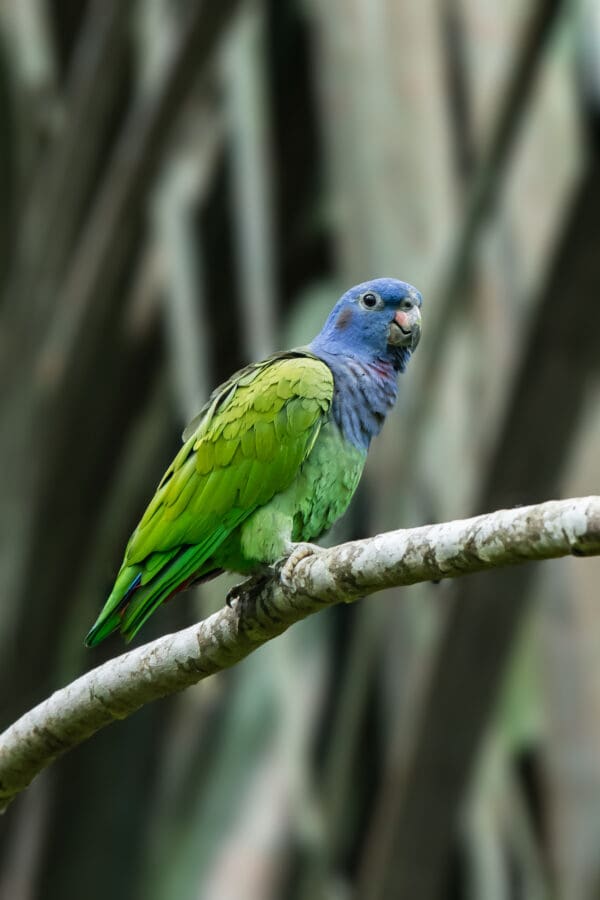
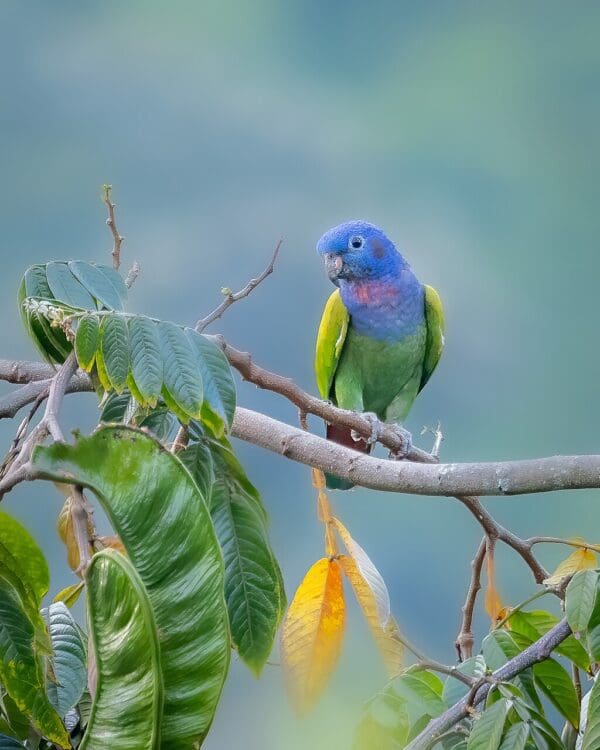
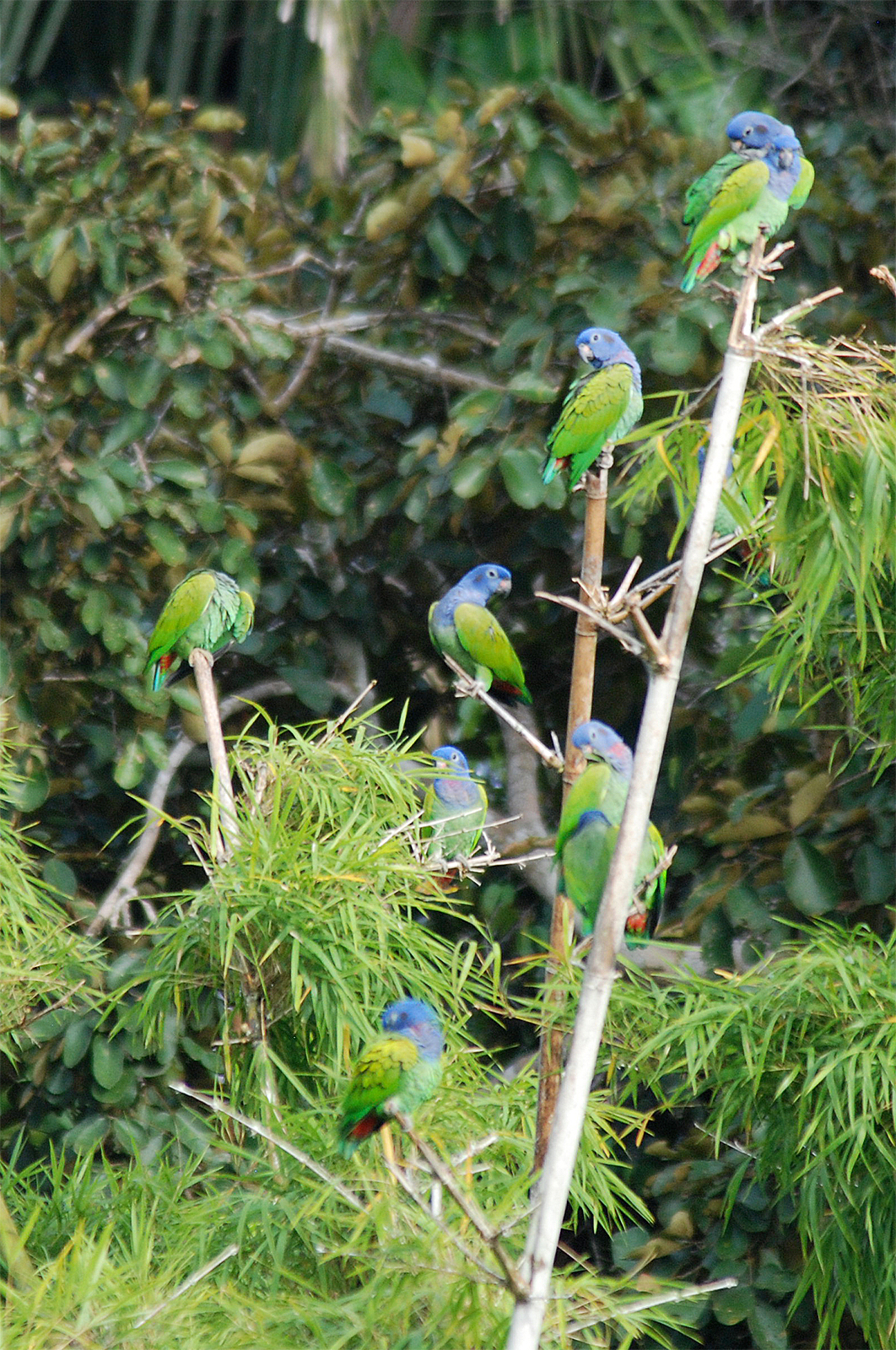
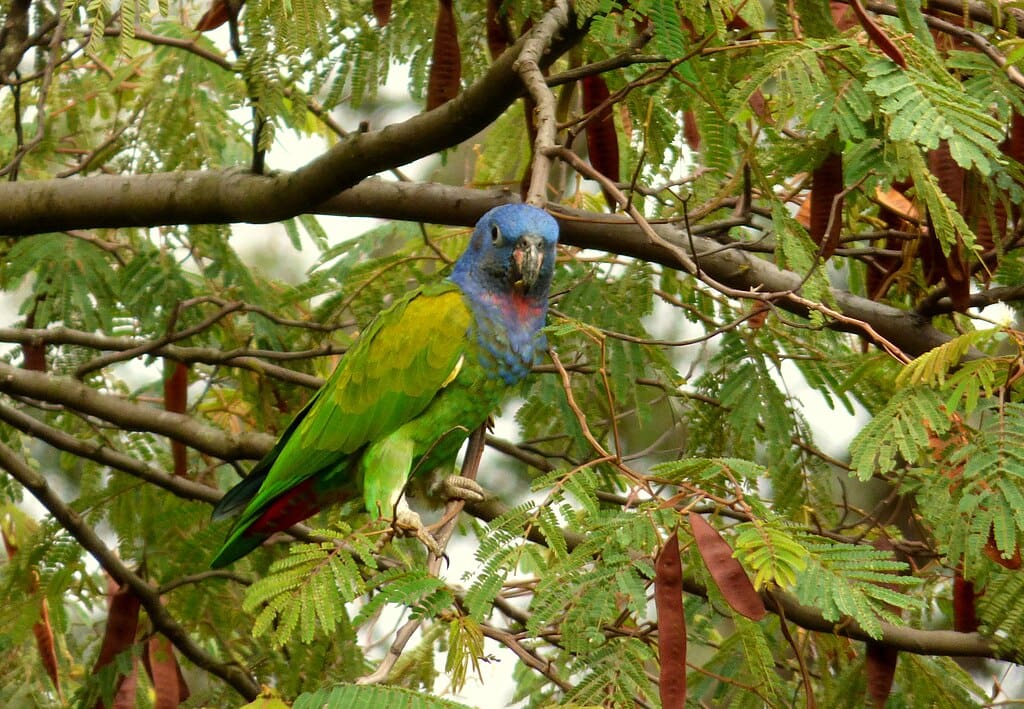
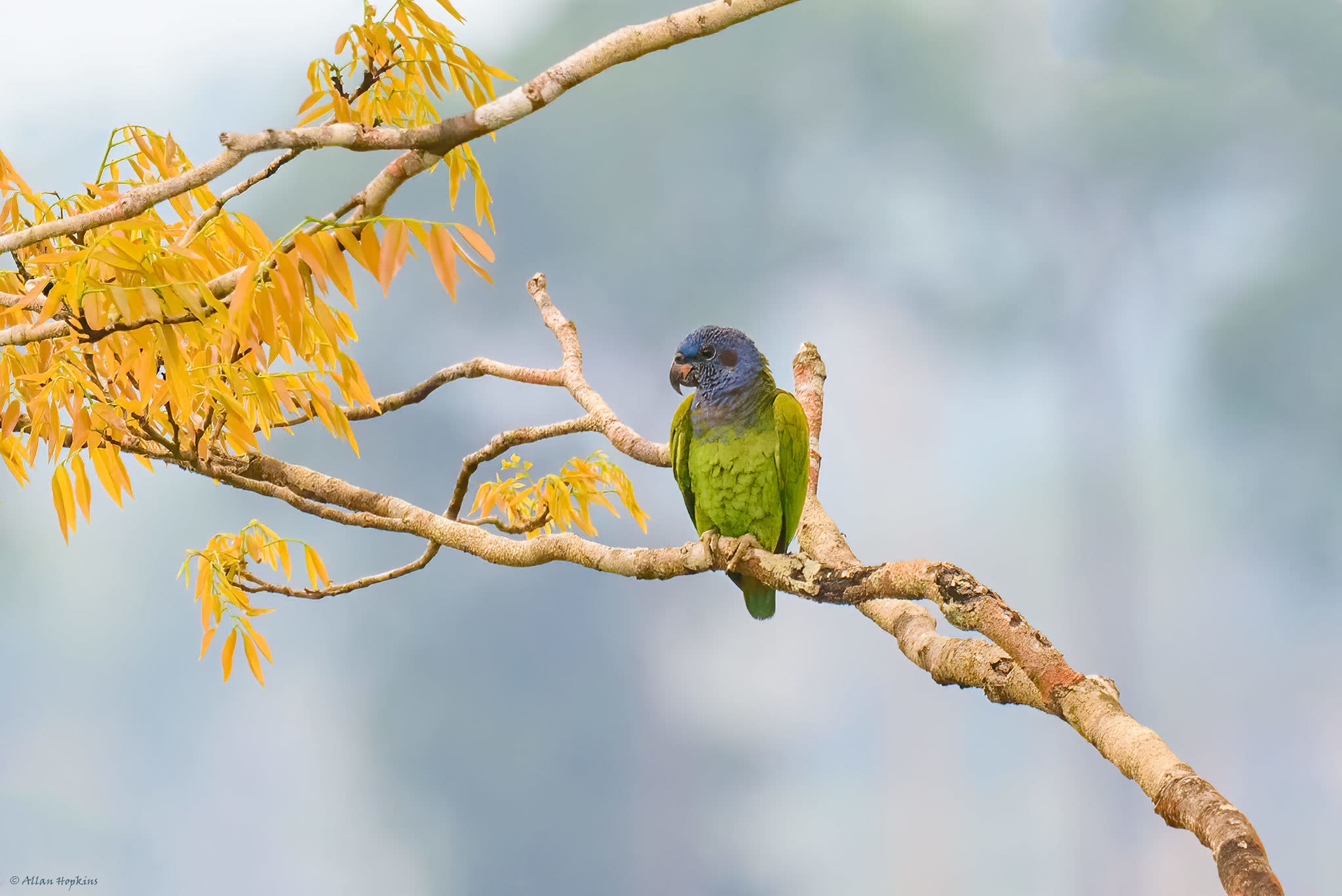
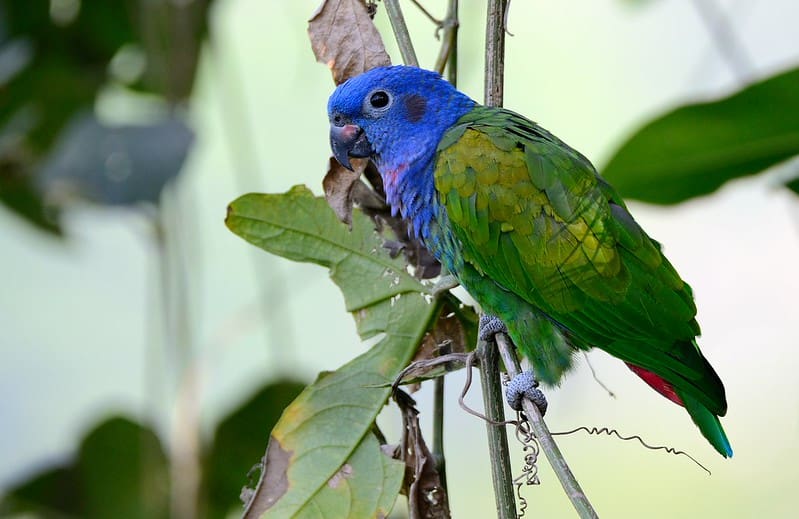
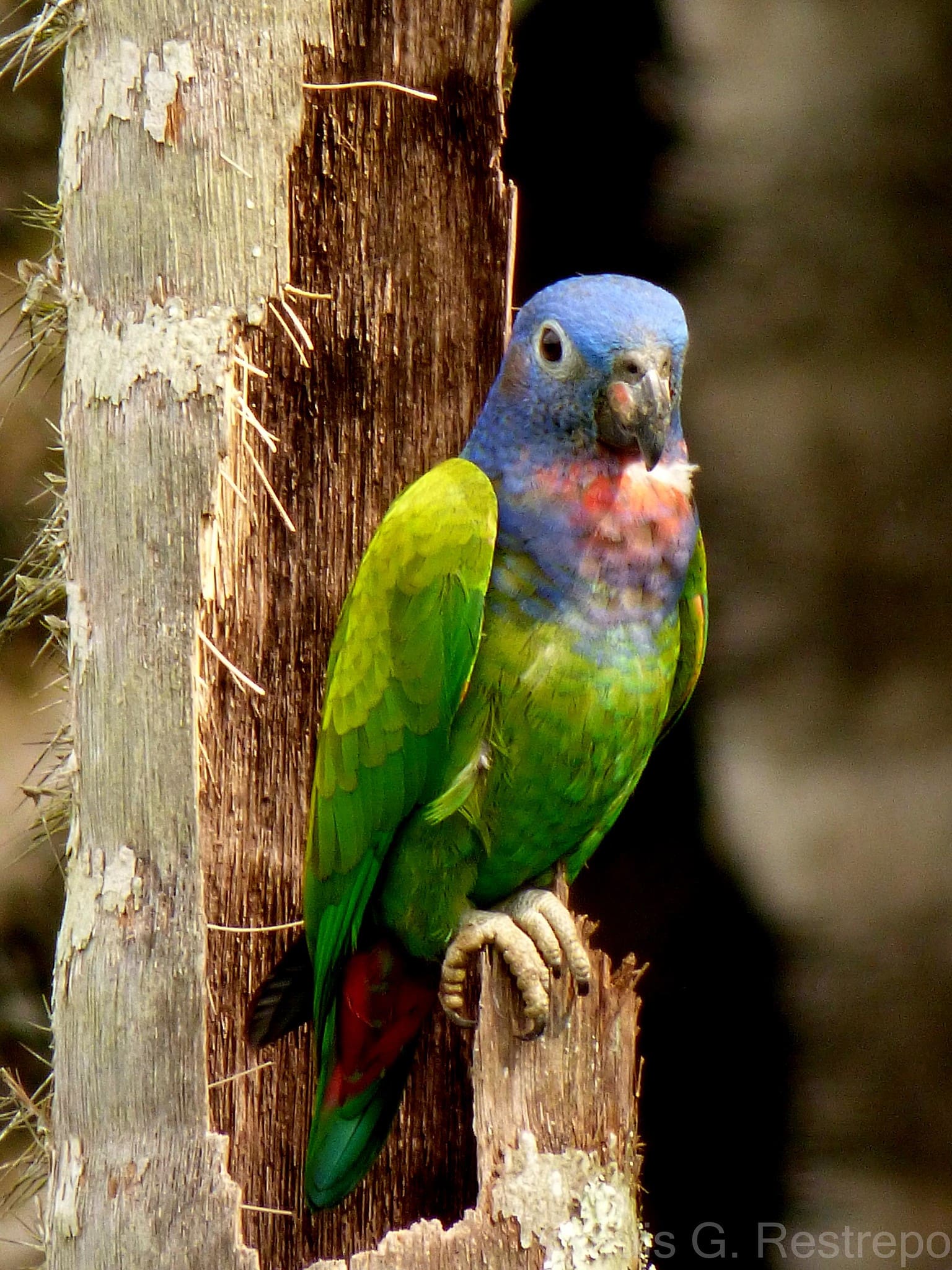
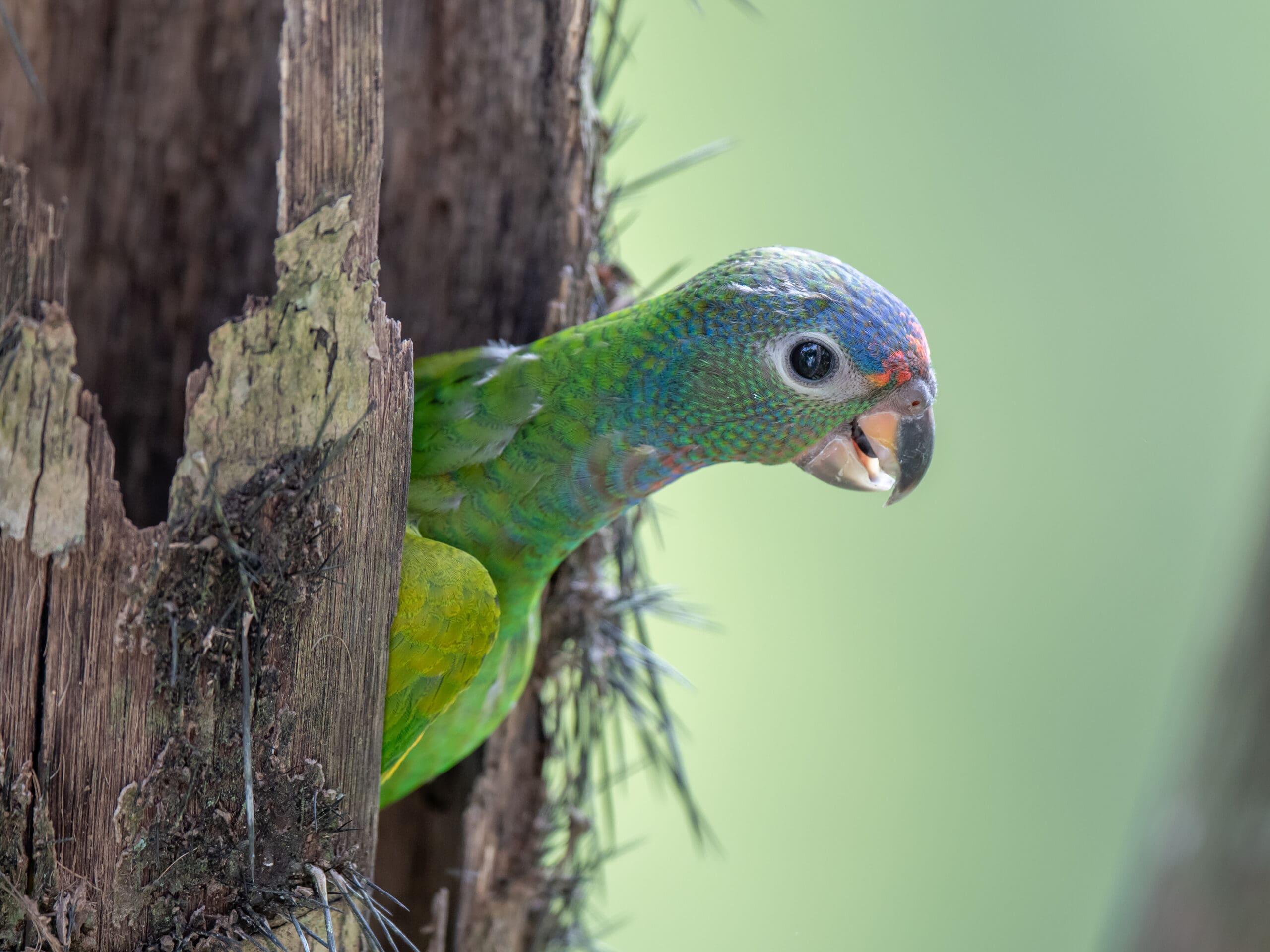
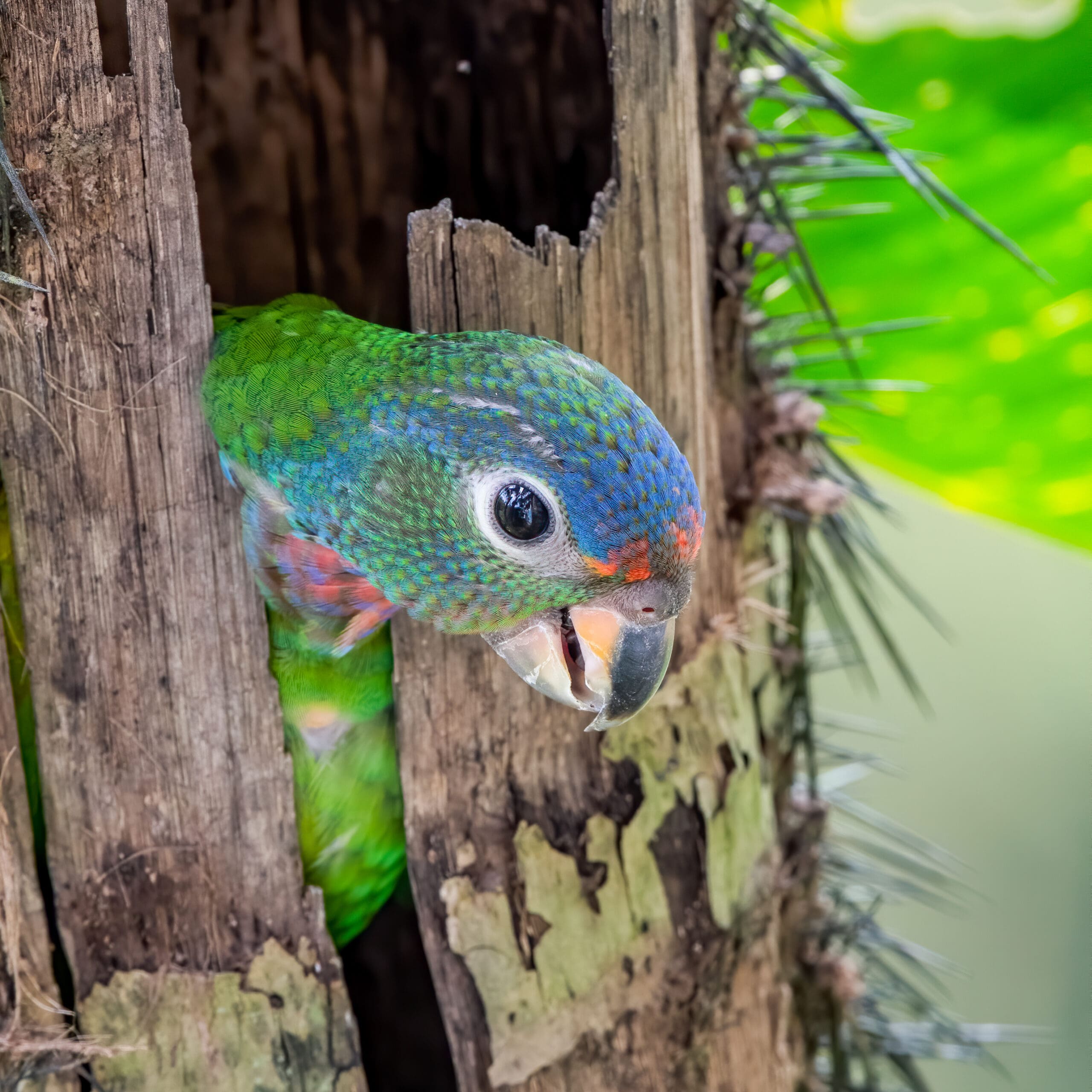
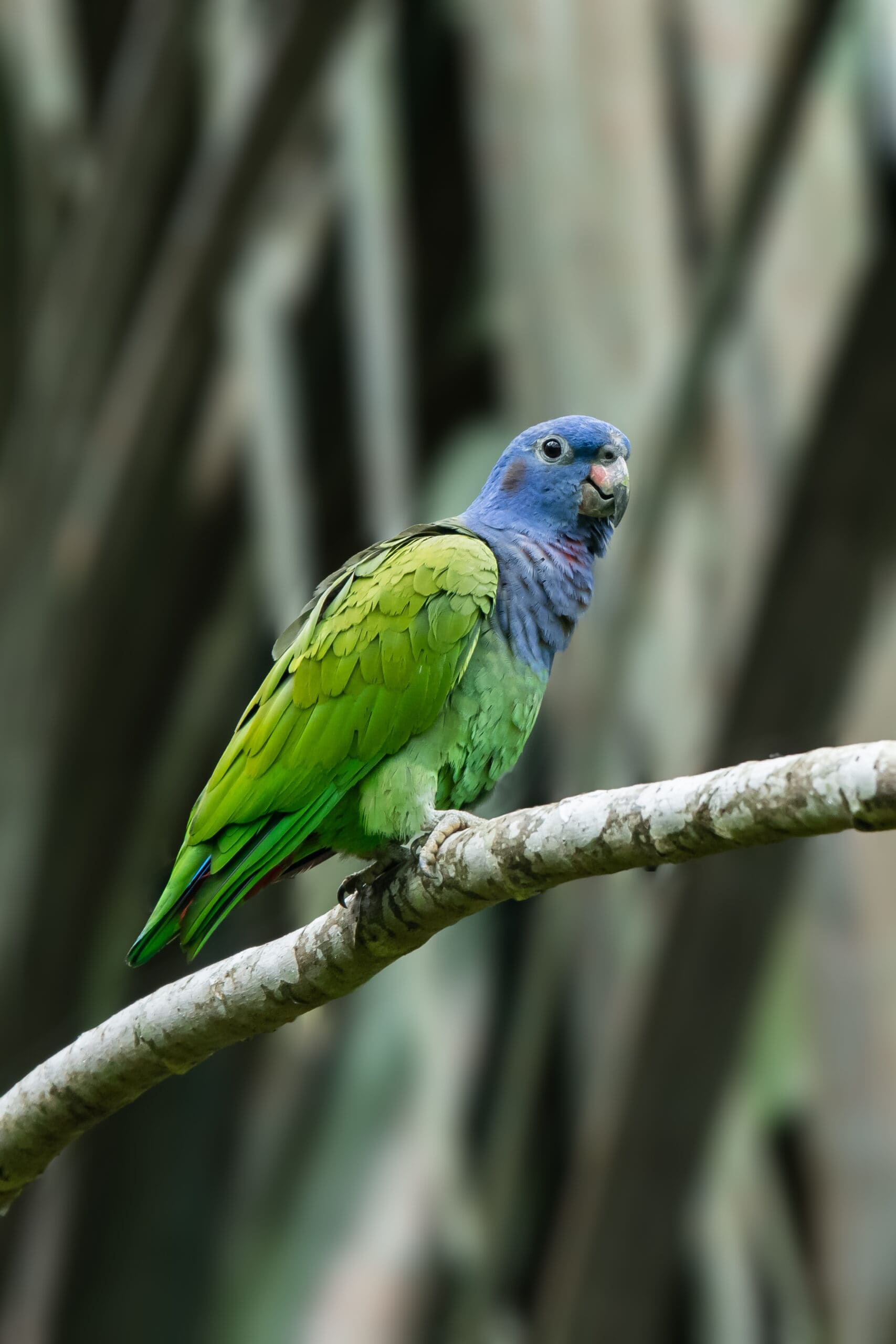
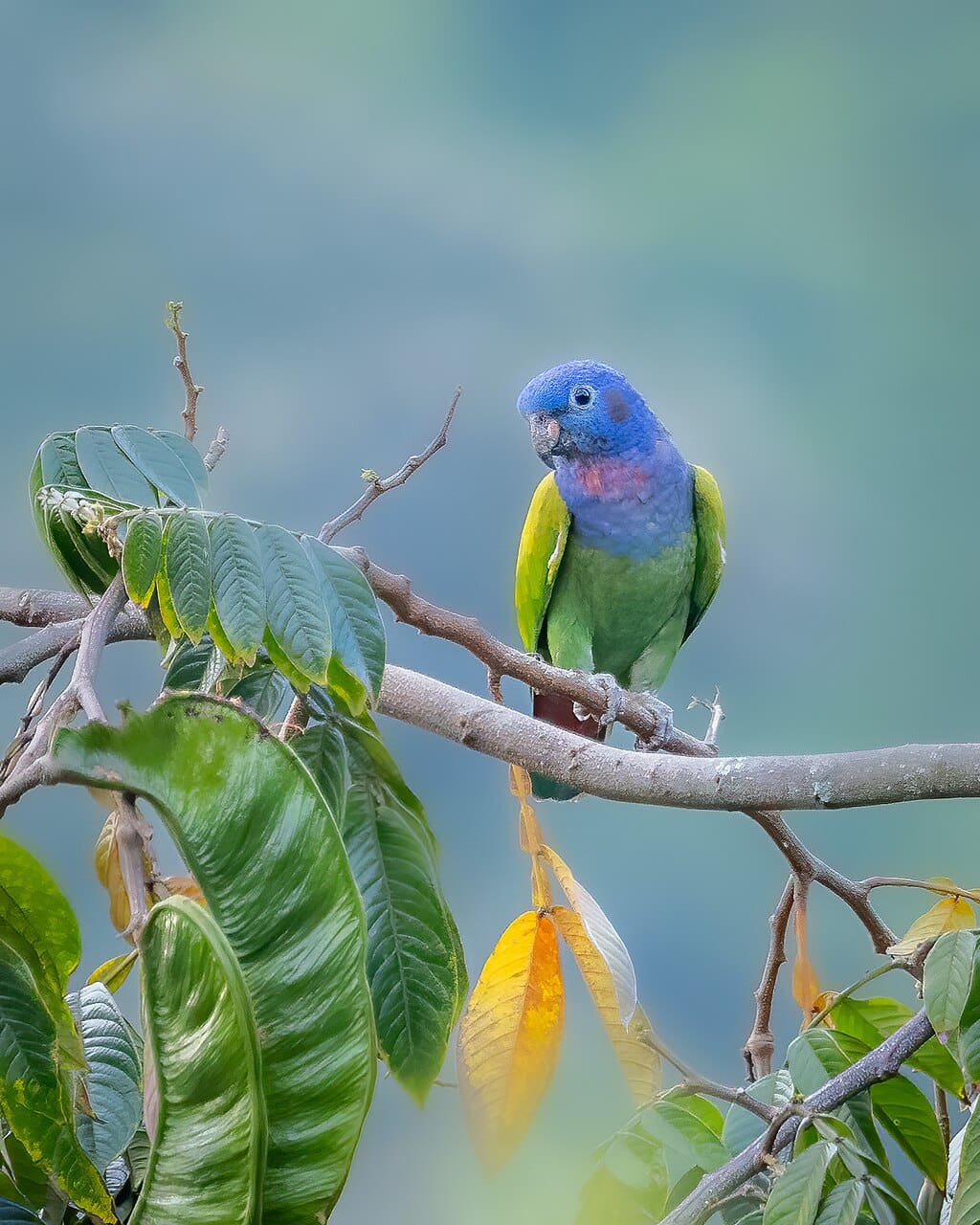
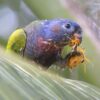
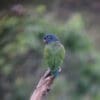
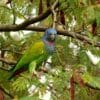
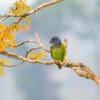
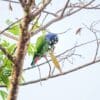
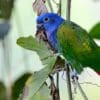
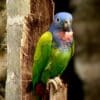
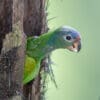
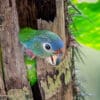
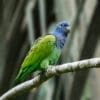
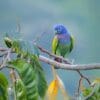
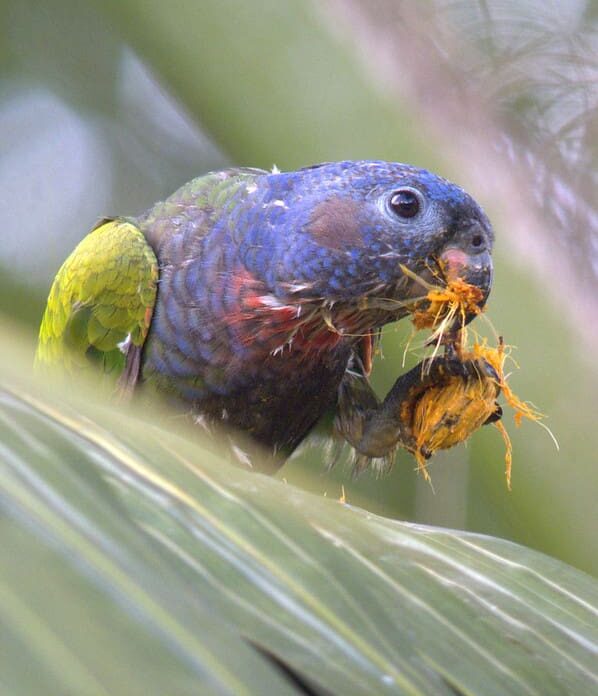
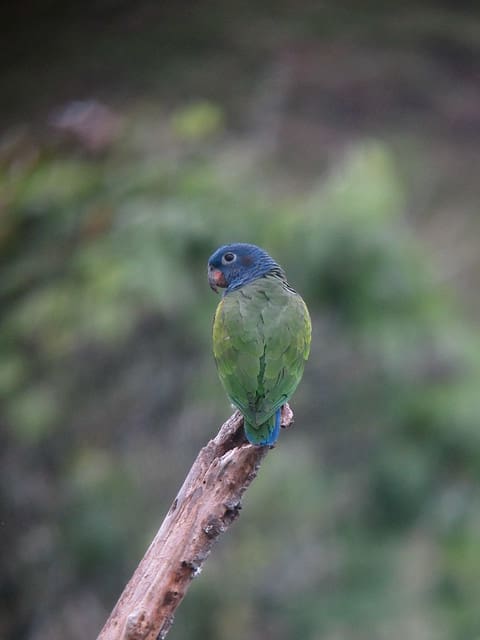
P.m. menstruus: Both adults in general green; blue head and neck, with faint red band on throat; dull black ear coverts; red undertail coverts tipped with blue/green; olive/brown lesser wing coverts; green median wing coverts, with wide olive/brown edging; green tail with red at base. Beak dark grey with red at base. Eye ring pale grey, eye dark brown.
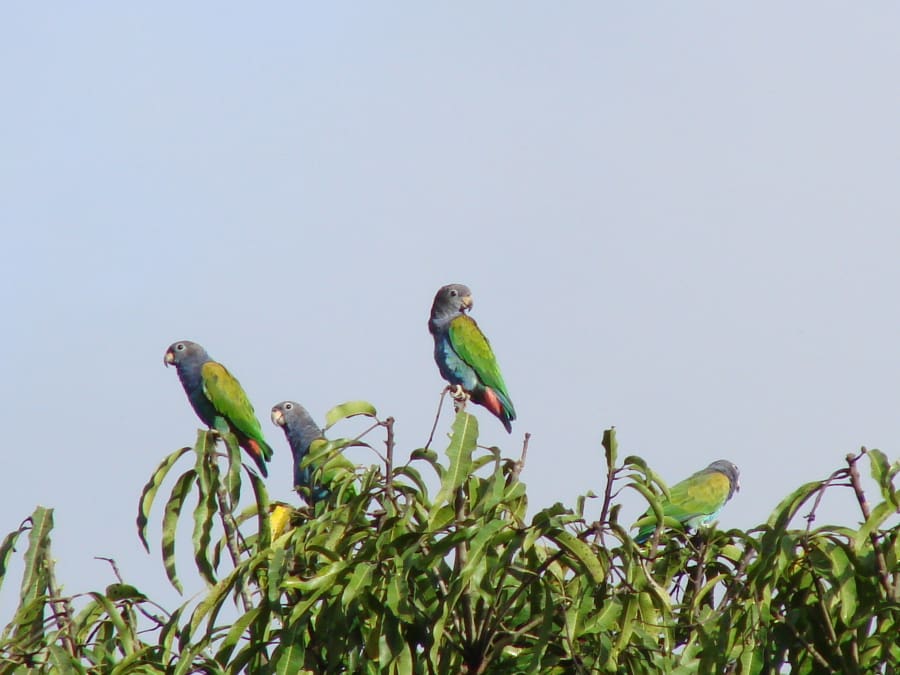
P.m. reichenowi: Both adults blue of head, neck and throat darker; green lower underparts washed with blue; red undertail coverts tipped with blue.
P.m. rubrigularis: Both adults as in menstruus, but blue of head and neck duller; redder on throat; darker green upperparts.

Colour Juvenile:

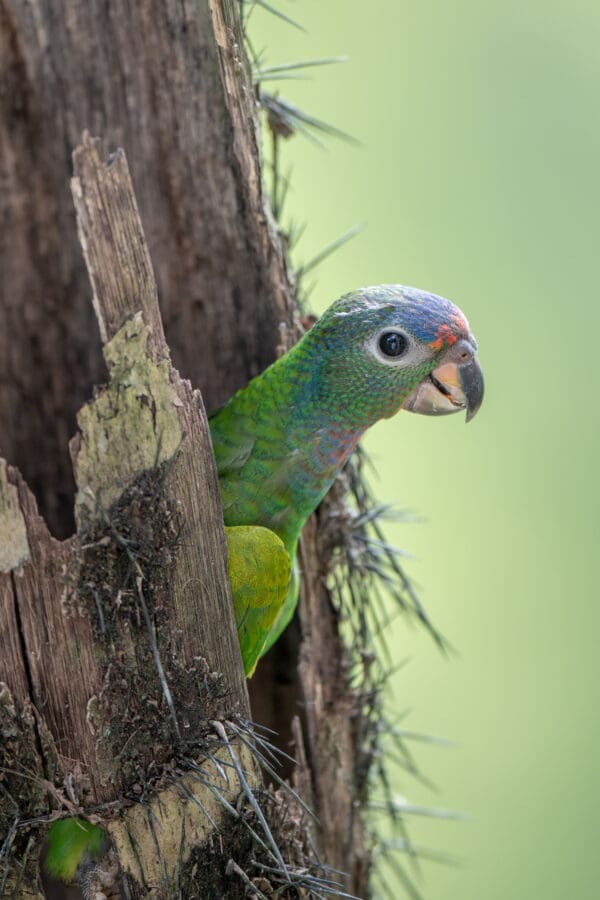
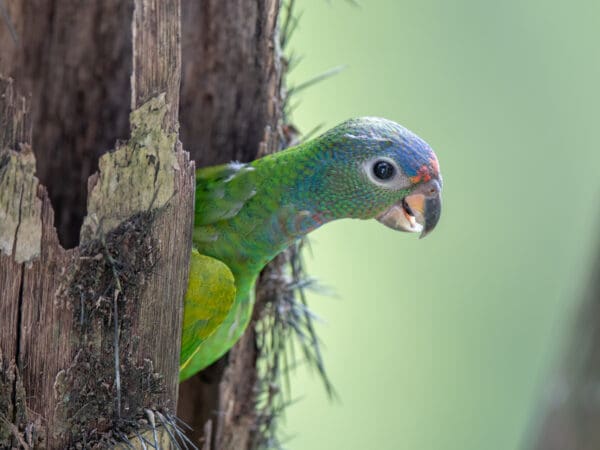
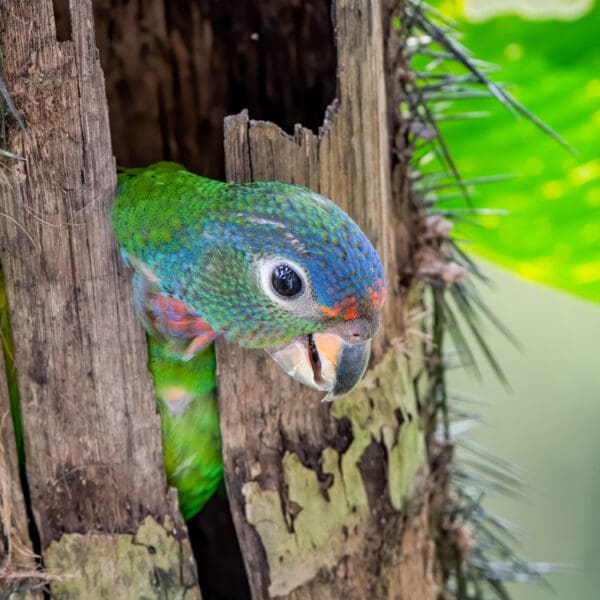
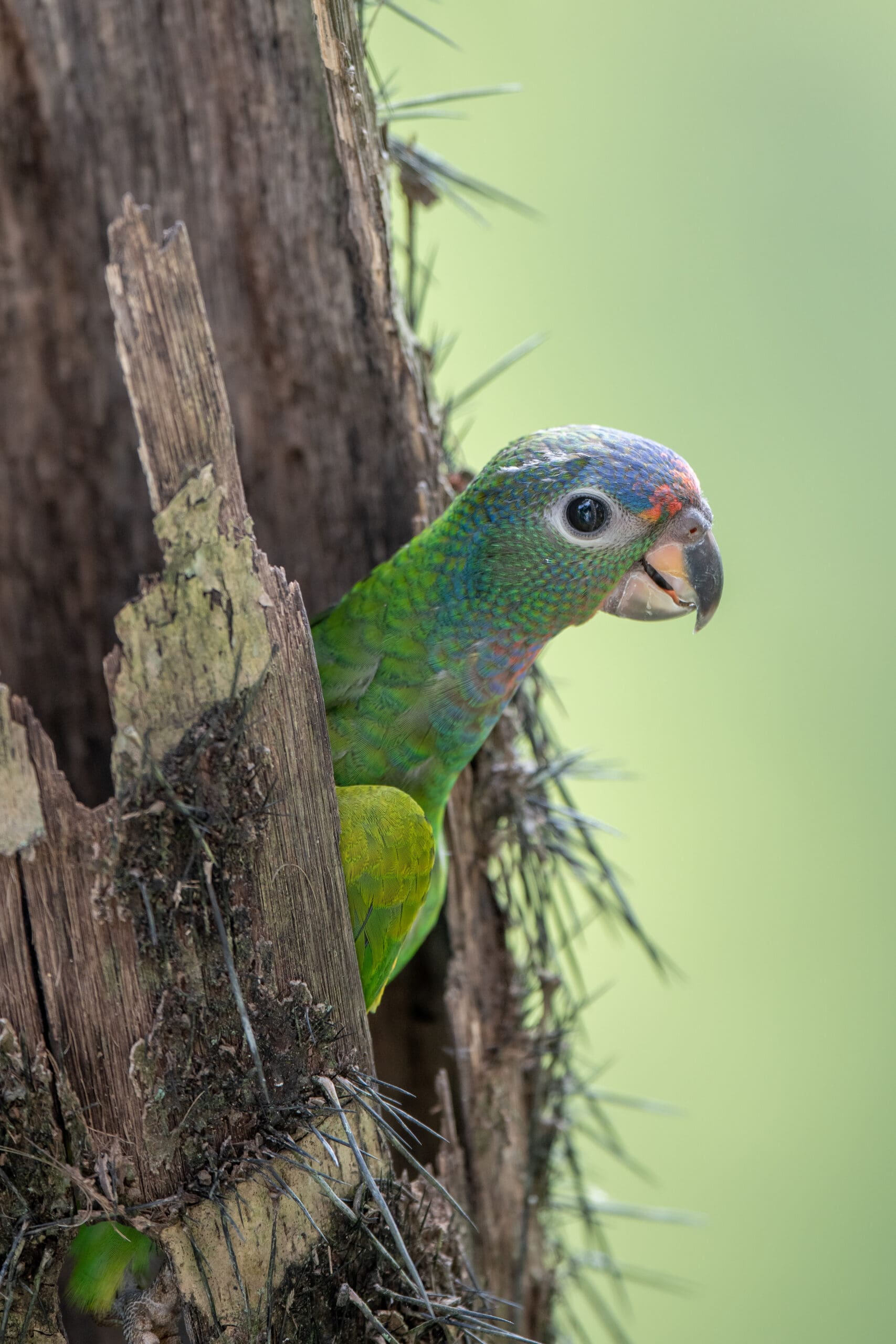
P.m. menstruus: Pale green head, throat and breast; yellow/green undertail coverts, with varying red markings. Beak pale grey with orange/yellow at base.

Call:

Calls are high-pitched screeches and screeching notes; also some notes harsh and shrill.

Xeno-canto Wildlife Sounds-Blue-headed Parrot

More Information:

Avibase

Content Sources:

CITES
BirdLife International
Cornell Lab of Ornithology/Birds of the World
Parrots: A Guide to Parrots of the World, Juniper and Parr, 1998.
Parrots of the World, Forshaw and Cooper, 1977. 2010 edition
Parrots of the World, Forshaw, 2006.
Soares-Filho et al. 2006, Bird et al. 2011.

Captive Status:

Fairly common.

Longevity:

30-45 yrs

Housing:

Aviary or suspended enclosure, minimum length 2-3 m (6.5-9.8 ft).

Diet:

Fruits such as: apple, pear, orange, banana, pomegranate, cactus fruits, kiwi, forming about 30 percent of the diet; vegetables such as: carrot, celery, green beans and peas in the pod; fresh corn; green leaves such as: Swiss chard, lettuce, kale, dandelion, sowthistle, chickweed; spray millet; small seed mix such as: millet, canary, and smaller amounts of buckwheat, oats, safflower and a little hemp; soaked and sprouted sunflower; cooked beans and pulses and boiled maize; complete pellet.

Enrichment:

Are avid chewers so provide bird-safe, unsprayed flowering, fir, pine, willow or elder branches, wooden block or vegetable tanned leather toys, puzzle/foraging toys, ladders, swings and ropes. Also provide overhead misters or shallow water bowls for bathing.

Nest Box Size:

Vertical box 10″ x 10″ x 24″ (25.4 cm x 25.4 cm x 61 cm)

Clutch Size:

3-4

Fledging Age:

10 weeks

Hatch Weight:

Peak Weight:

Weaning Weight:

World Population:

Is thought to number 5 – 50 million individuals, however, data quality is poor. Stable.

IUCN Red List Status:
Not Evaluated

CITES Listing:
Appendix II

Threat Summary:

Declining in some areas (E Brazil) due to deforestation and some illegal trade. Subspecies reichenowi has a restricted range, in the Atlantic Forest Lowlands Endemic Bird Area, and is far less numerous than the other subspecies.

Range:

P.m. menstruus: Trinidad, the Guianas, eastern and southern Venezuela to eastern Colombia, eastern Ecuador, and eastern Peru south to central Bolivia, and Amazonian Brazil.
P.m. reichenowi: Eastern Brazil from Alagoas to Espírito Santo and possibly Rio de Janeiro.
P.m. rubrigularis: Eastern Costa Rica and Panama to northern and western Colombia, northwestern Venezuela and western Ecuador. Recorded in Nicaragua.

Habitat:

Found in deciduous woodland, including cerrado, humid and wet forest, mature second growth, seasonally flooded várzea and gallery forest, and plantations. Also seen in clearings and semi-open areas with scattered trees, including Mauritia palm stands locally up to 1600 m (5250 ft). Associated with upland forest in Manu National Park, southeastern Peru.

Wild Diet:

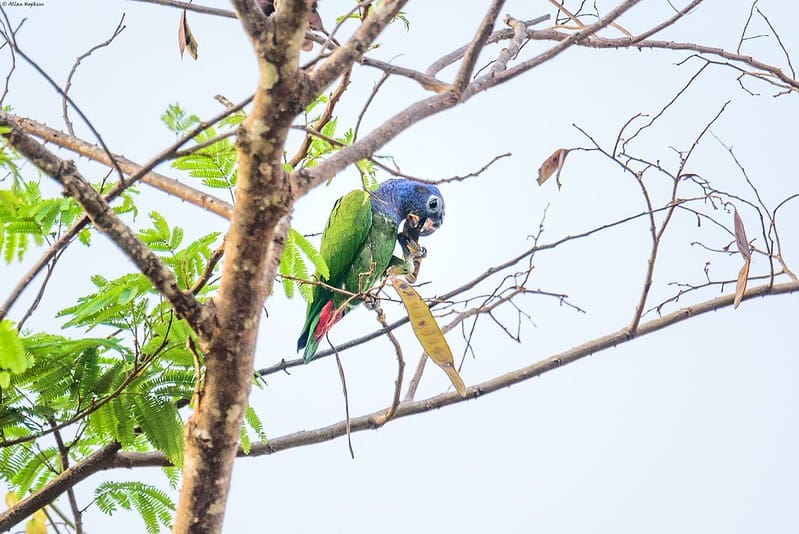
Feeds on seeds of Albizia, Anacardium, Caraipa, Dialium, Hevea, Hura, Clusia, Ocotea, Couroutaria, Inga, Brosimum, Tectona and Micropholis; fruits of Schefflera morototoni, Tetragastris, Inga, Ficus, papaya, Mimosa and Euterpe, sugary flowers of Noranthea liana, also of Erythrina; Goupia, Pseudolmedia, Psidium, Mangifera and Pourouma also noted. Also leaf buds and sometimes corn.
Ecology and Behaviour:

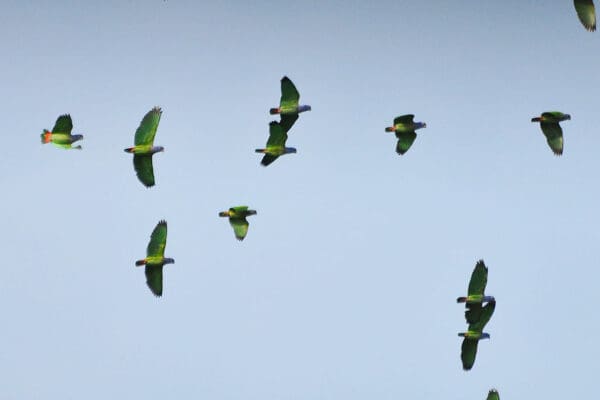
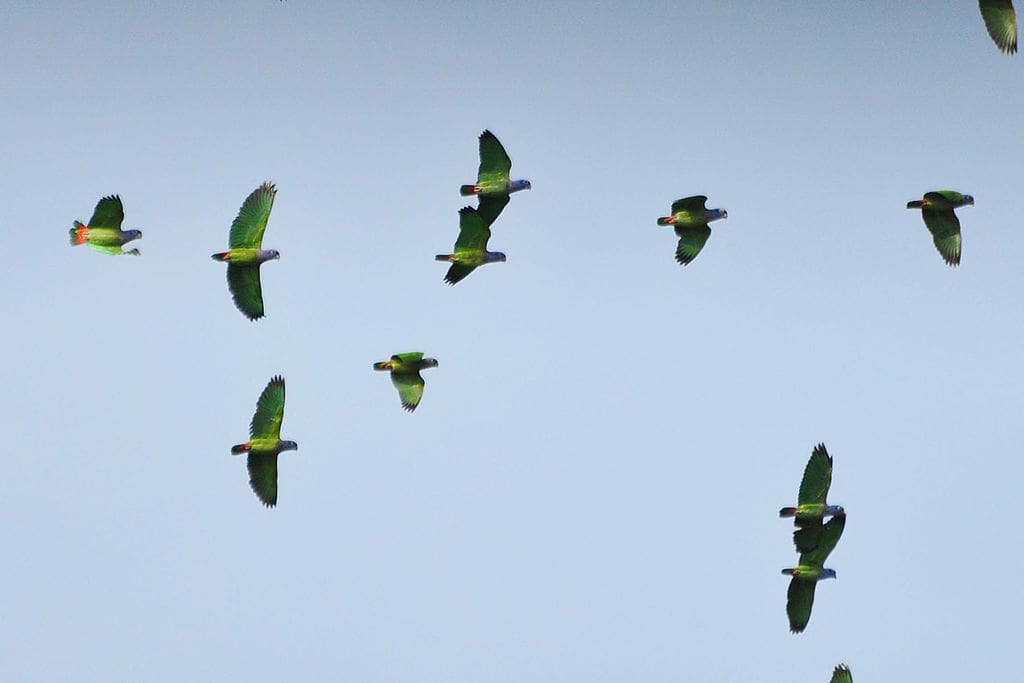
Forages in the upper canopy. Social and boisterous while not breeding, gathering in large groups where food abundant or when roosting. Nests in old tree cavities previously used by other species.
Clutch and Egg Size:

3-4 pointed oval eggs, 31.5 x 25.0 mm (1.2 x 1.0 in)

Breeding Season:

January–May in Panama; February–April in Ecuador, Colombia and Venezuela; May-September in SE Peru; March and October on Trinidad; October and January–February in the Guianas; June to sometimes November in Mato Grosso. Nest is in palm stump or tree hollow.

Related Links:

Join Our Flock

FlockTalk our monthly newsletter for parrot people everywhere:

+ News from the world of parrots

+ Updates on wild parrot projects

+ Inspiring updates from partners

+ Real stories from the parrot flock

+ Plus, expert tips for caring for your feathered friends at home.


Stay In The Loop, Sign Up Now.

FlockTalk: our monthly newsletter for parrot people everywhere:

Parrot news. Conservation wins. Pet care tips. All in one monthly email.

We do not sell or share your information with anyone.