LEARN

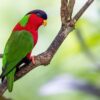
Collared Lory

( Vini solitarius )

Also known as:
Collared Lorikeet, Solitary Lory, Ruffed Lory, Fijan Lory, Kula (Fiji)

Also known as:
Collared Lorikeet, Solitary Lory, Ruffed Lory, Fijan Lory, Kula (Fiji)

Geography:

DID YOU KNOW?

Red feathers from the Collared Lory have been used by Samoans and Tongans to decoratively edge woven mats.

<p><em>Vini</em></p>
Genus:

Vini

<p><em>solitarius</em></p>
Species:

solitarius

Size:

20 cm (7.8 in)

Weight:

75-85 g (2.6-3 oz)

Subspecies including nominate:

one

Colour Adult:

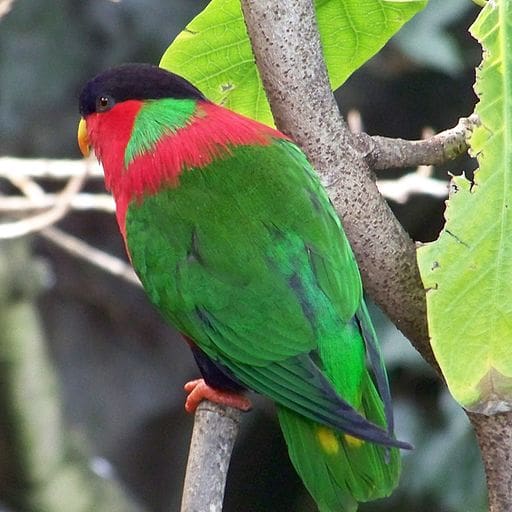
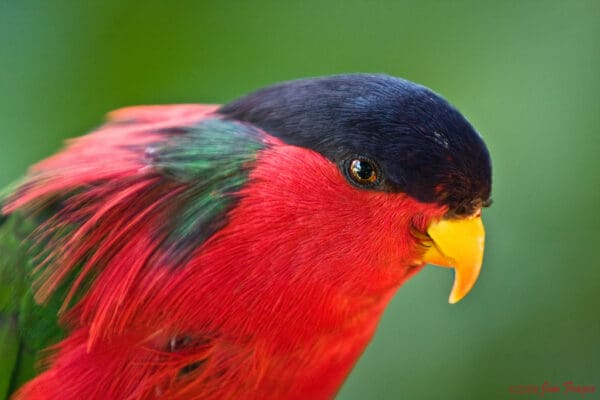
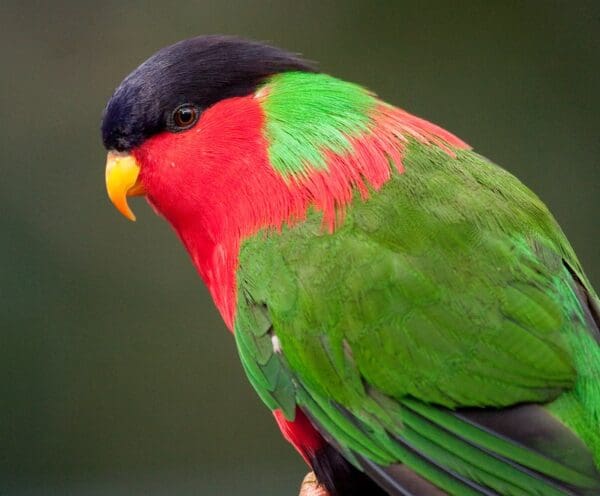
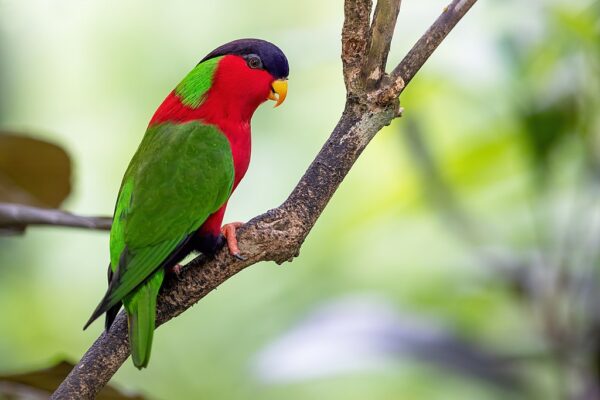
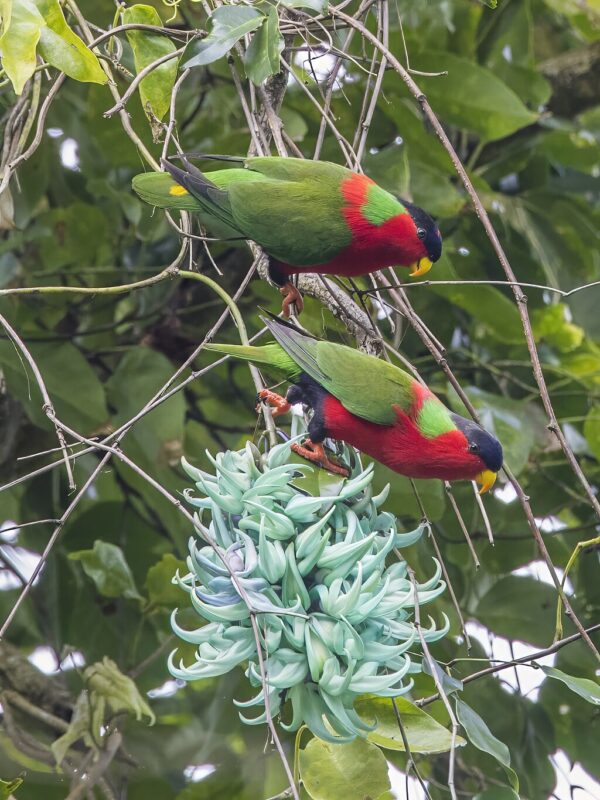
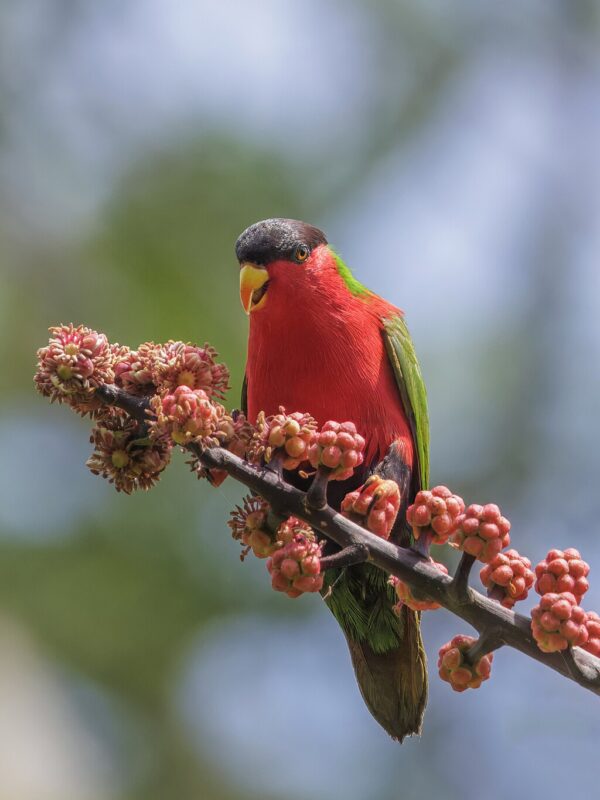
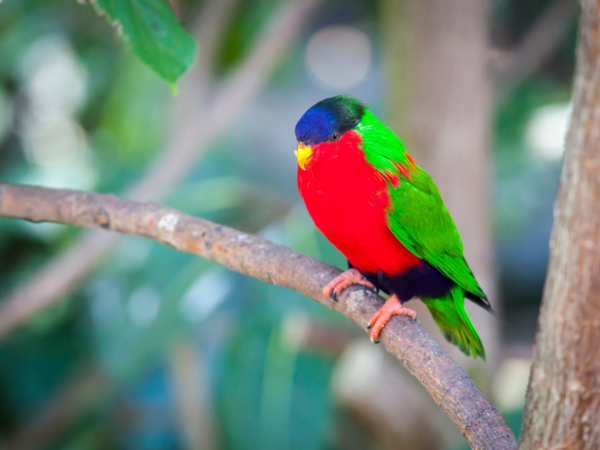
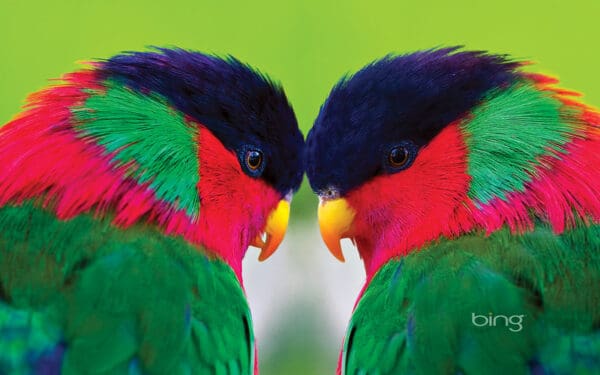
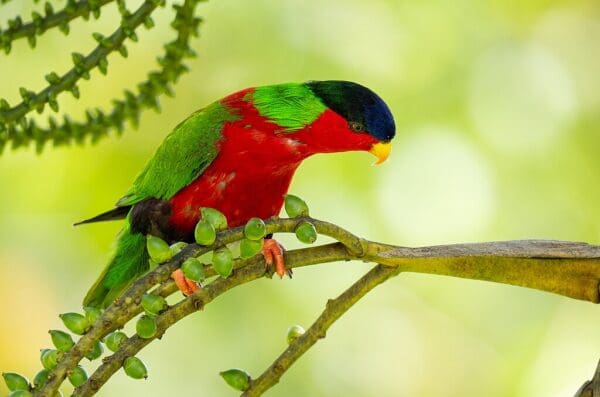
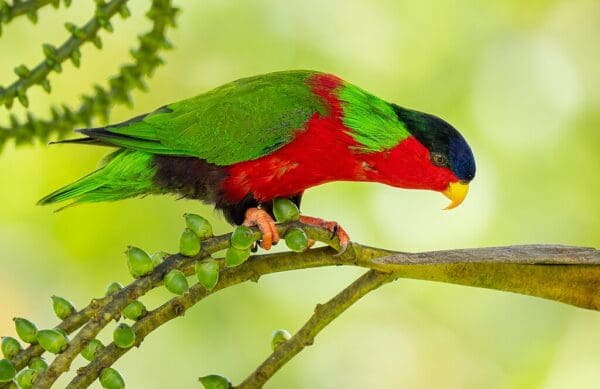
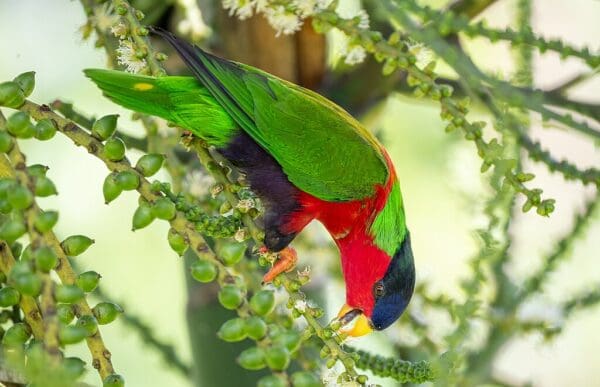
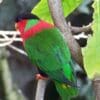
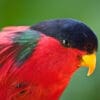
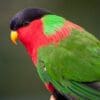
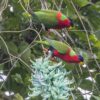
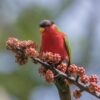
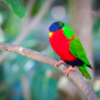
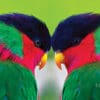
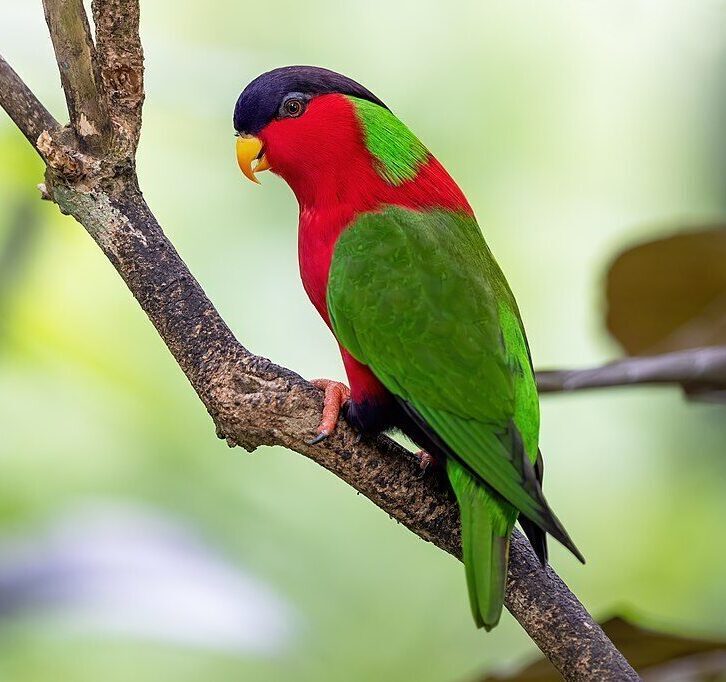
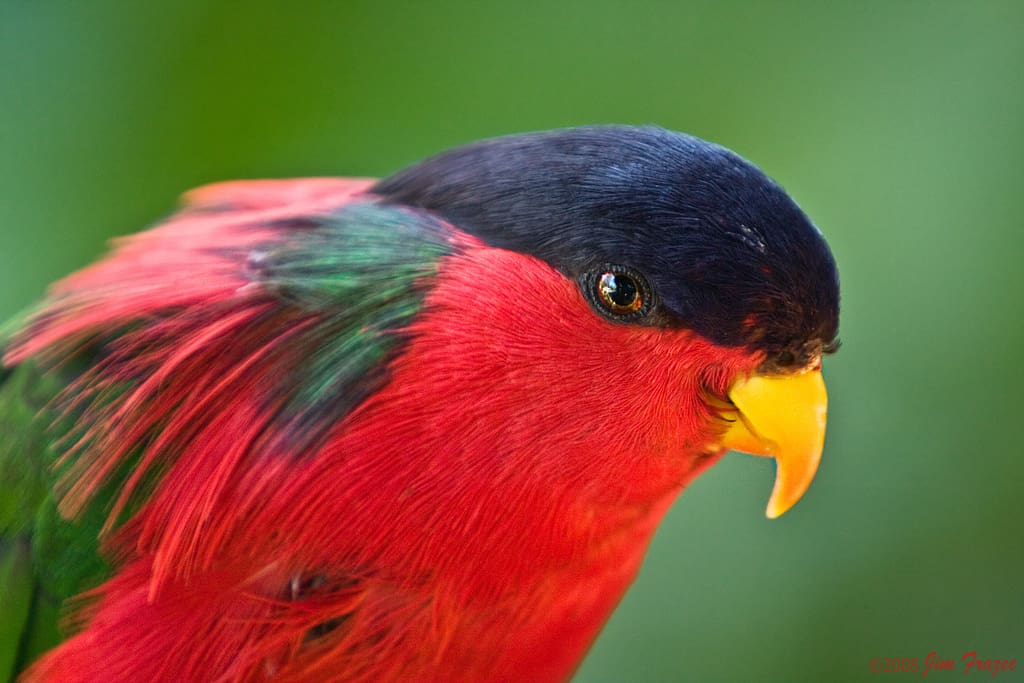
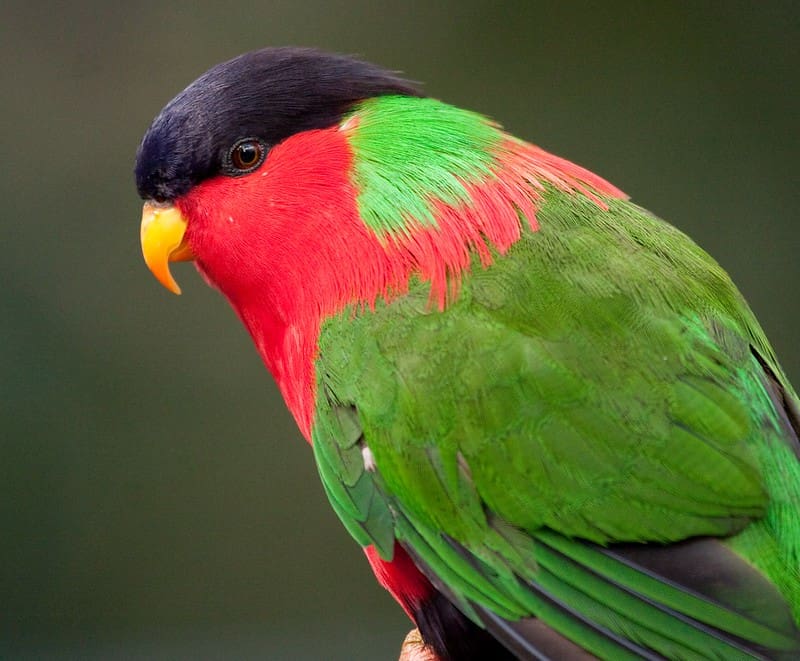
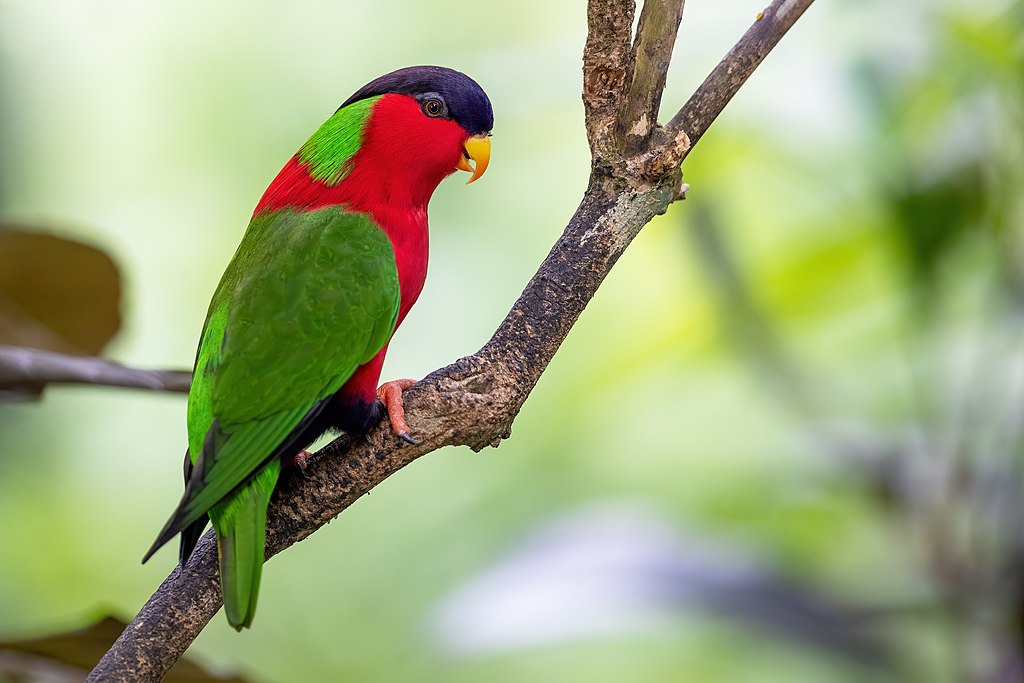
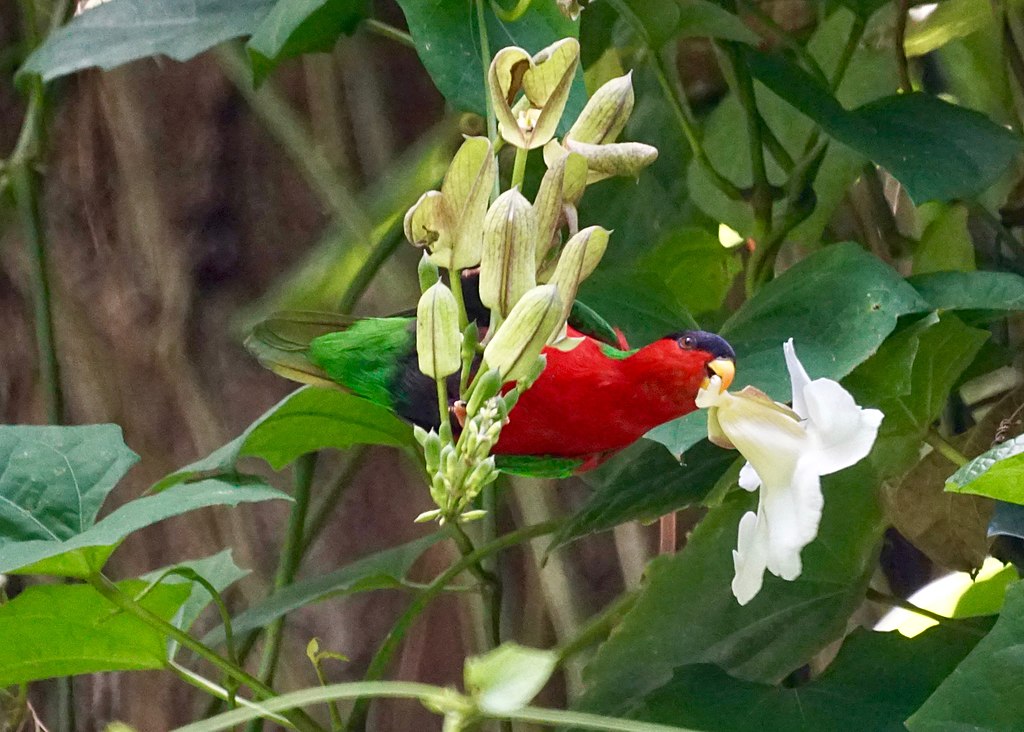
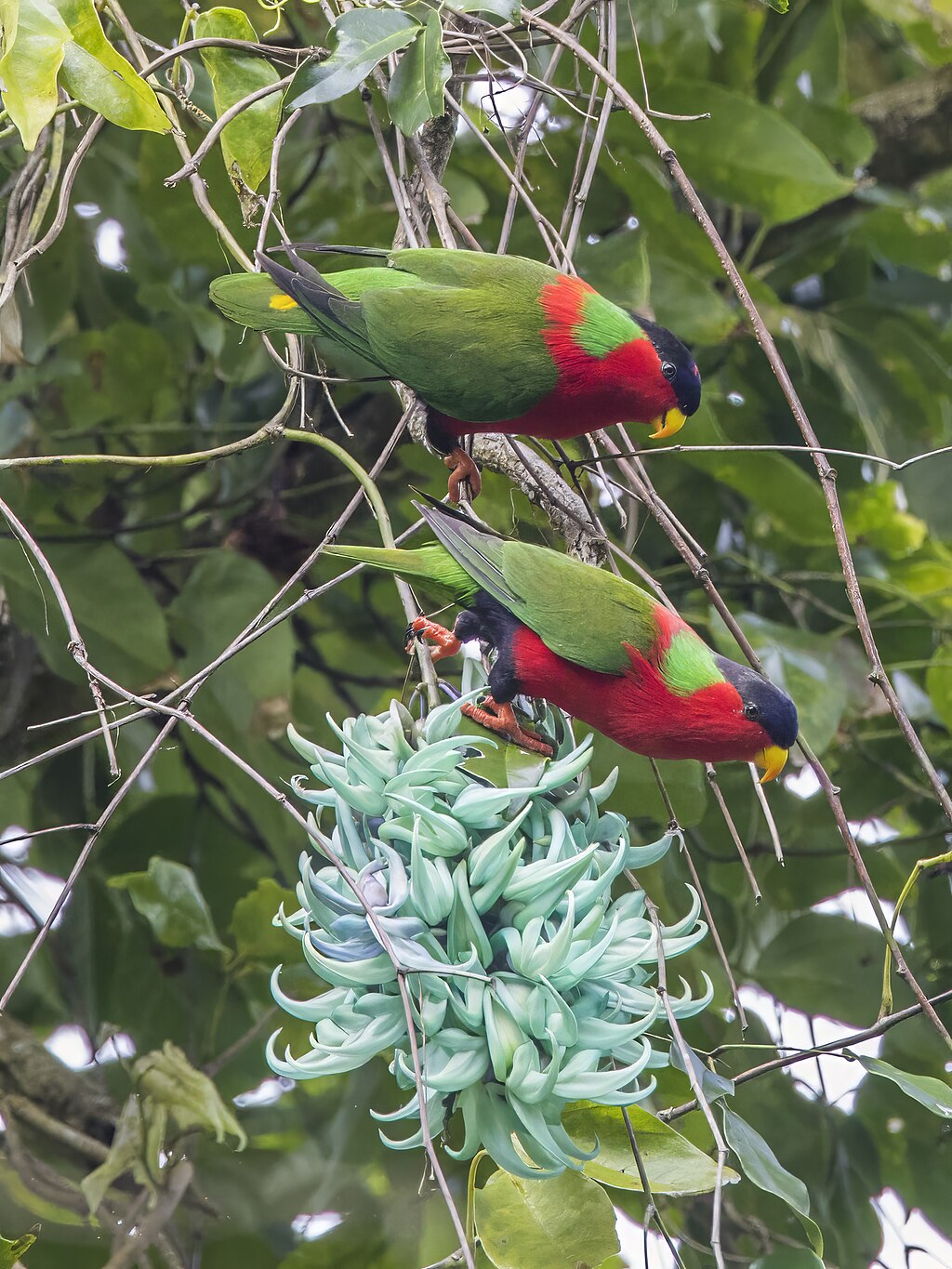
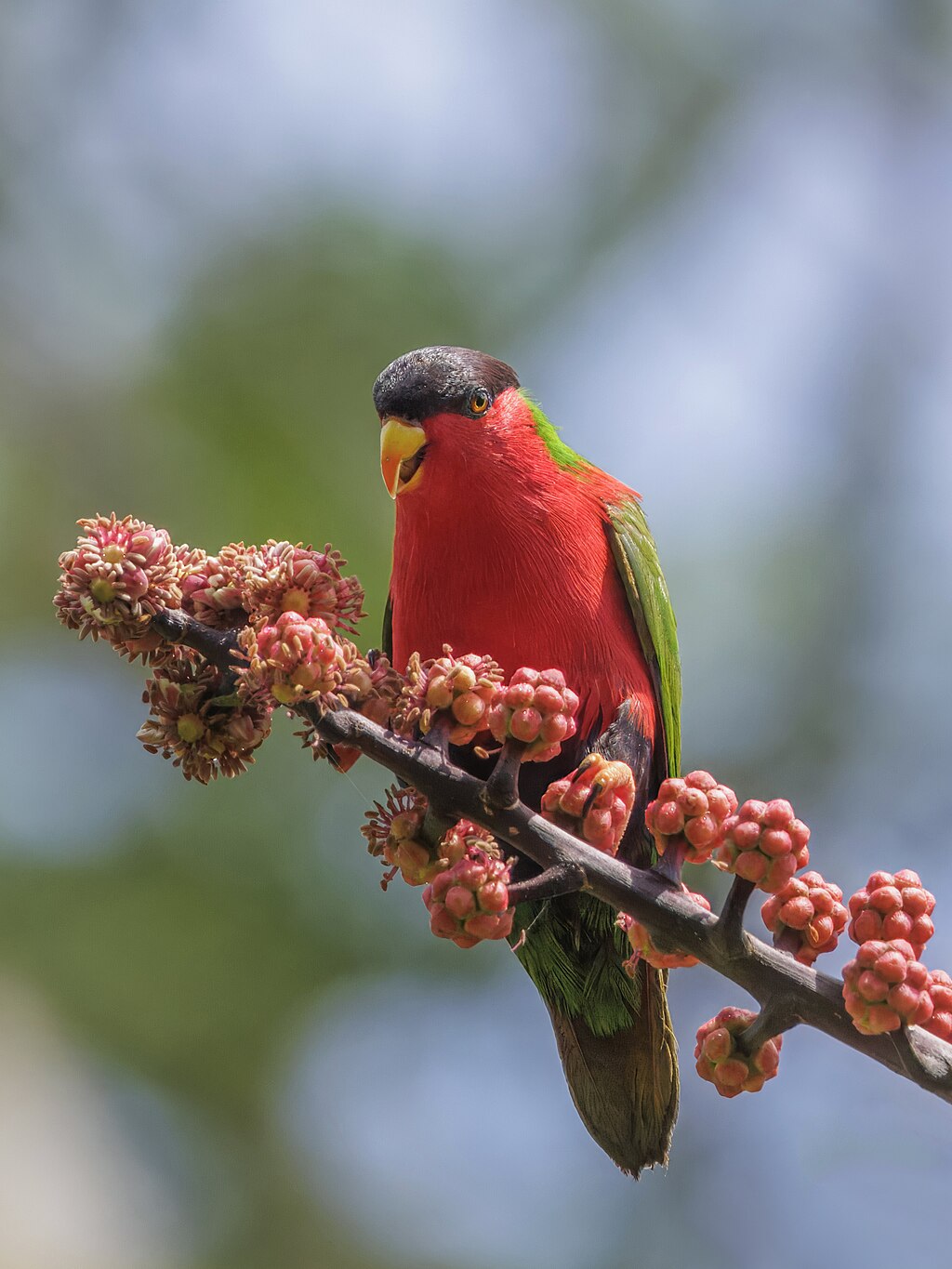
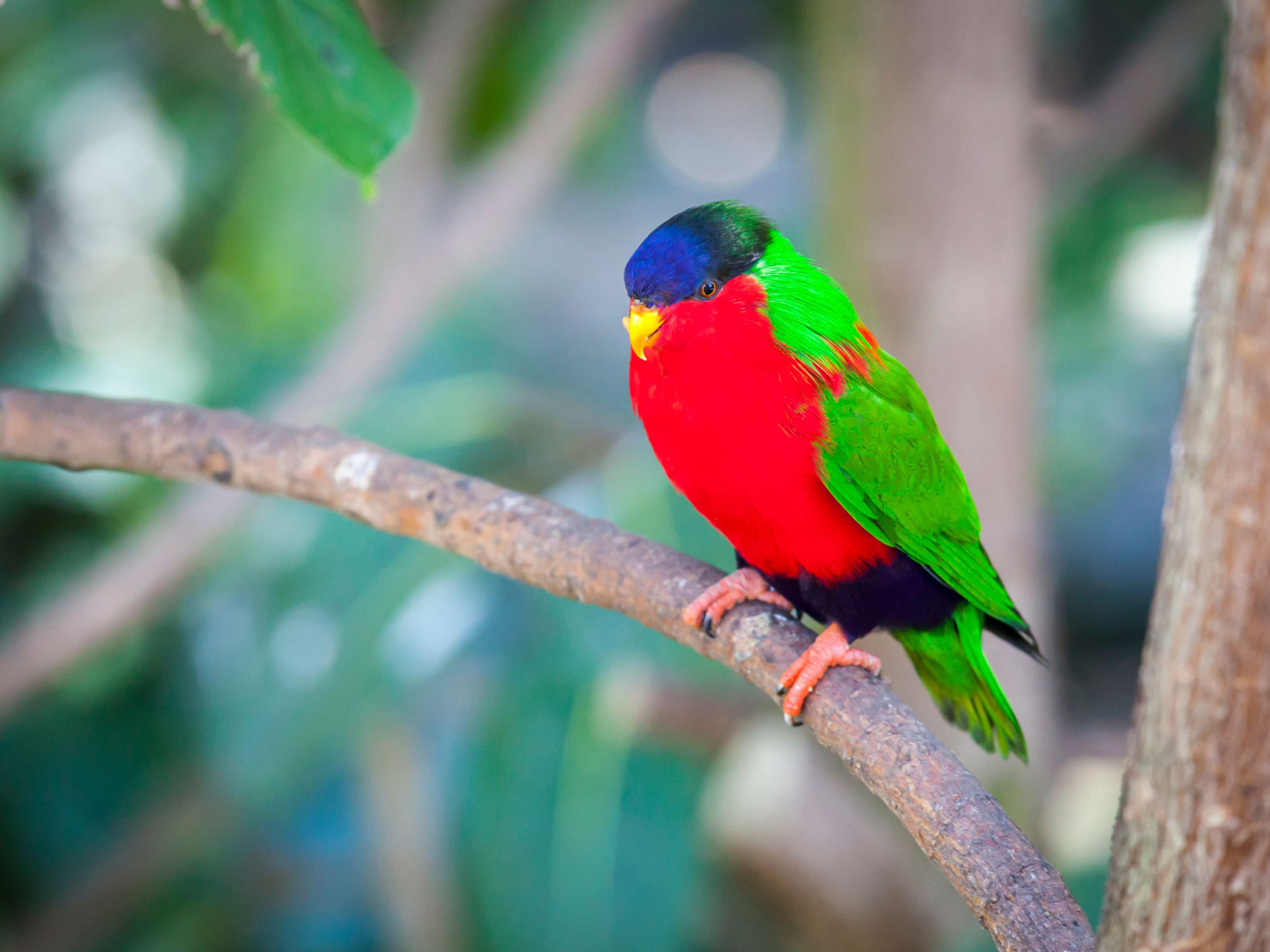
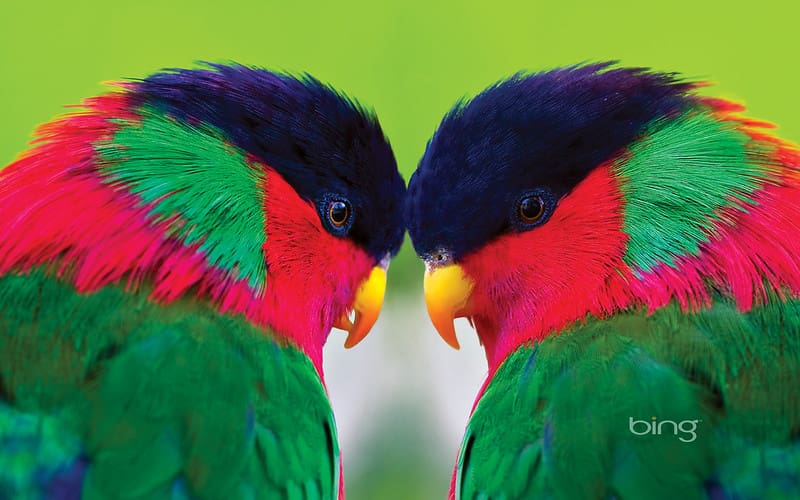
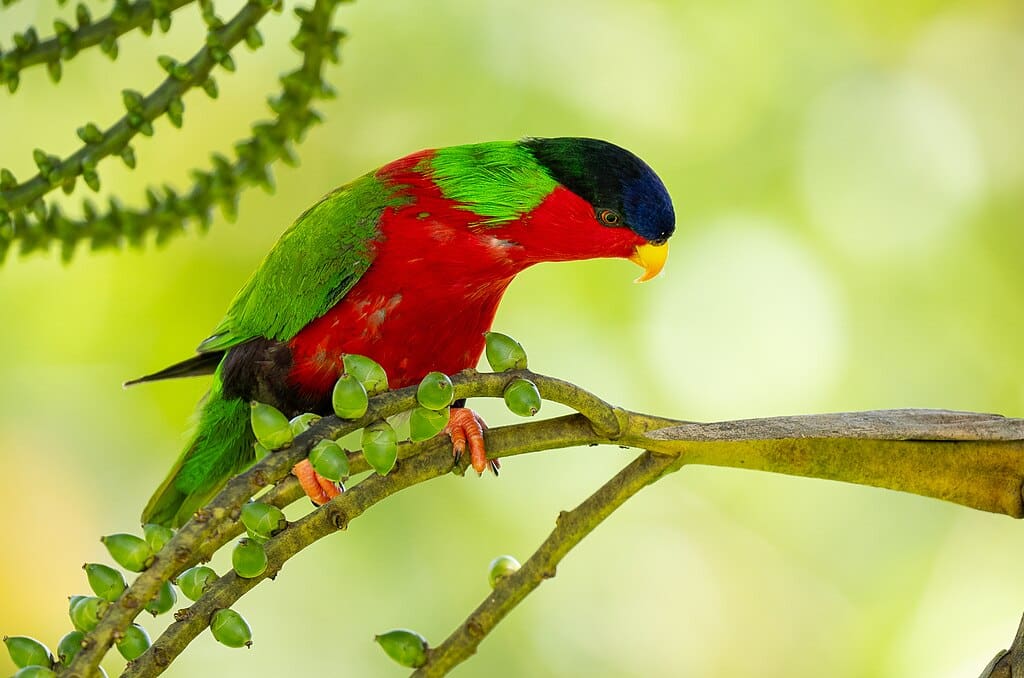
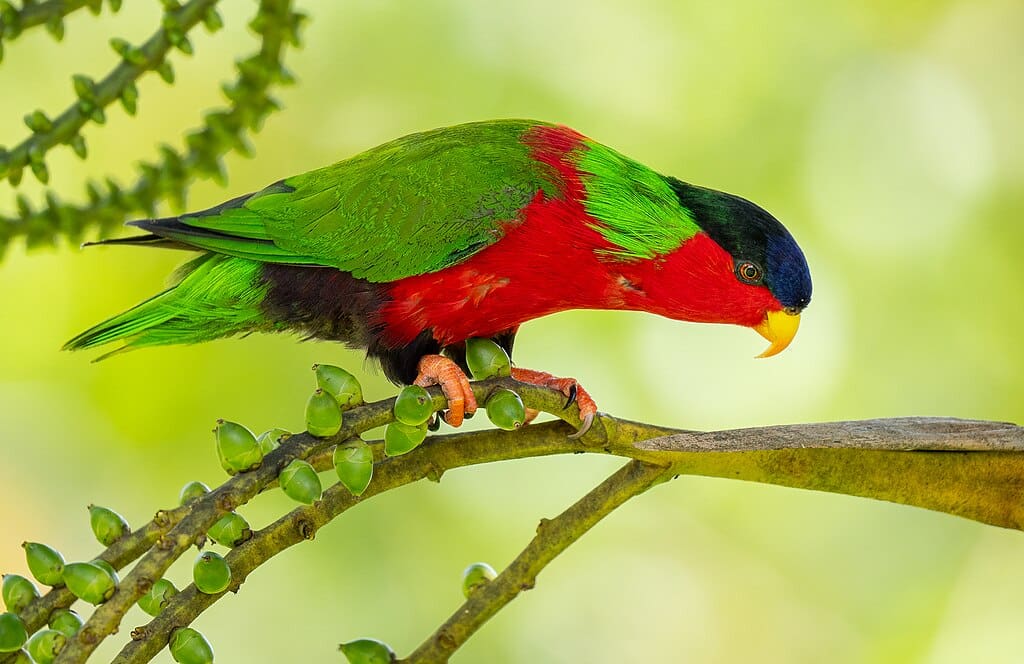
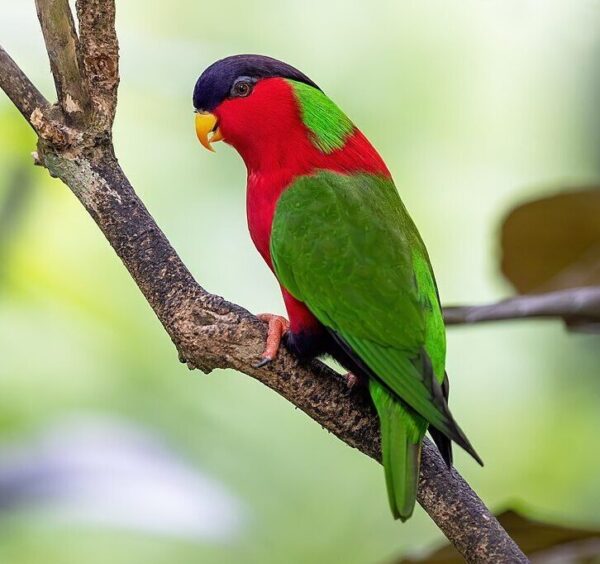
Both adults forehead, lores and crown dark purple; paler and more blue in the female with hindcrown washed green; elongated feathers of nape yellow/green, widely tipped with red; wings and back green, becoming yellow/green on rump; cheeks and ear coverts to throat and upper abdomen red; thighs and lower abdomen dark purple. Beak dark orange. Eye orange/red.

Colour Juvenile:

As in adult but with breast and upper abdomen faintly barred blue/purple; hindcrown and occiput dull purple, the feathers margined green red at tips minimal or absent. Beak brown. Eye pale brown.

Call:

Noted as shrill and screechy notes, the second note drawn out more than the first. Single shriek sometimes uttered while perched.

Xeno-canto Wildlife Sounds-Collared Lory

More Information:

Avibase

Content Sources:

CITES
BirdLife International
Cornell Lab of Ornithology/Birds of the World
Parrots: A Guide to Parrots of the World, Juniper and Parr, 1998
Parrots of the World, Forshaw and Cooper, 1977. 2010 edition
Parrots of the World, Forshaw, 2006.

Captive Status:

Not commonly kept.

Longevity:

Housing:

Indoor aviary 12′ x 6′ x 6′ (3.6 x 1.8 x 1.8 m).

Diet:

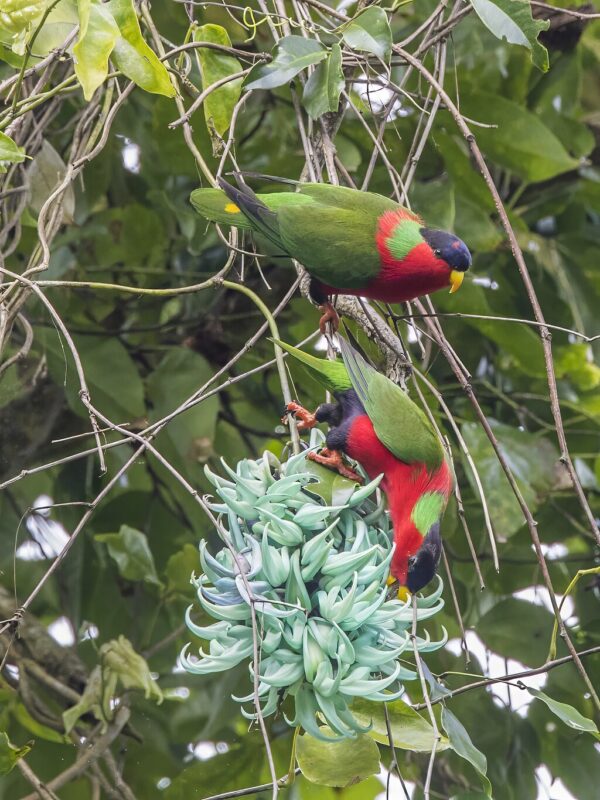
Commercial or homemade nectar; fruits and vegetables may be offered. May take mealworms and hard boiled eggs. Offer commercial kibble.

Enrichment:

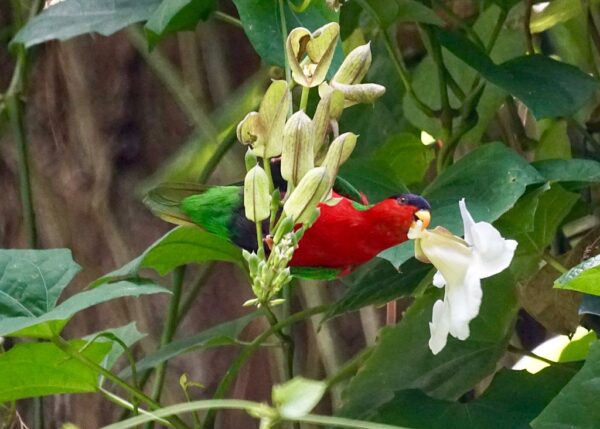
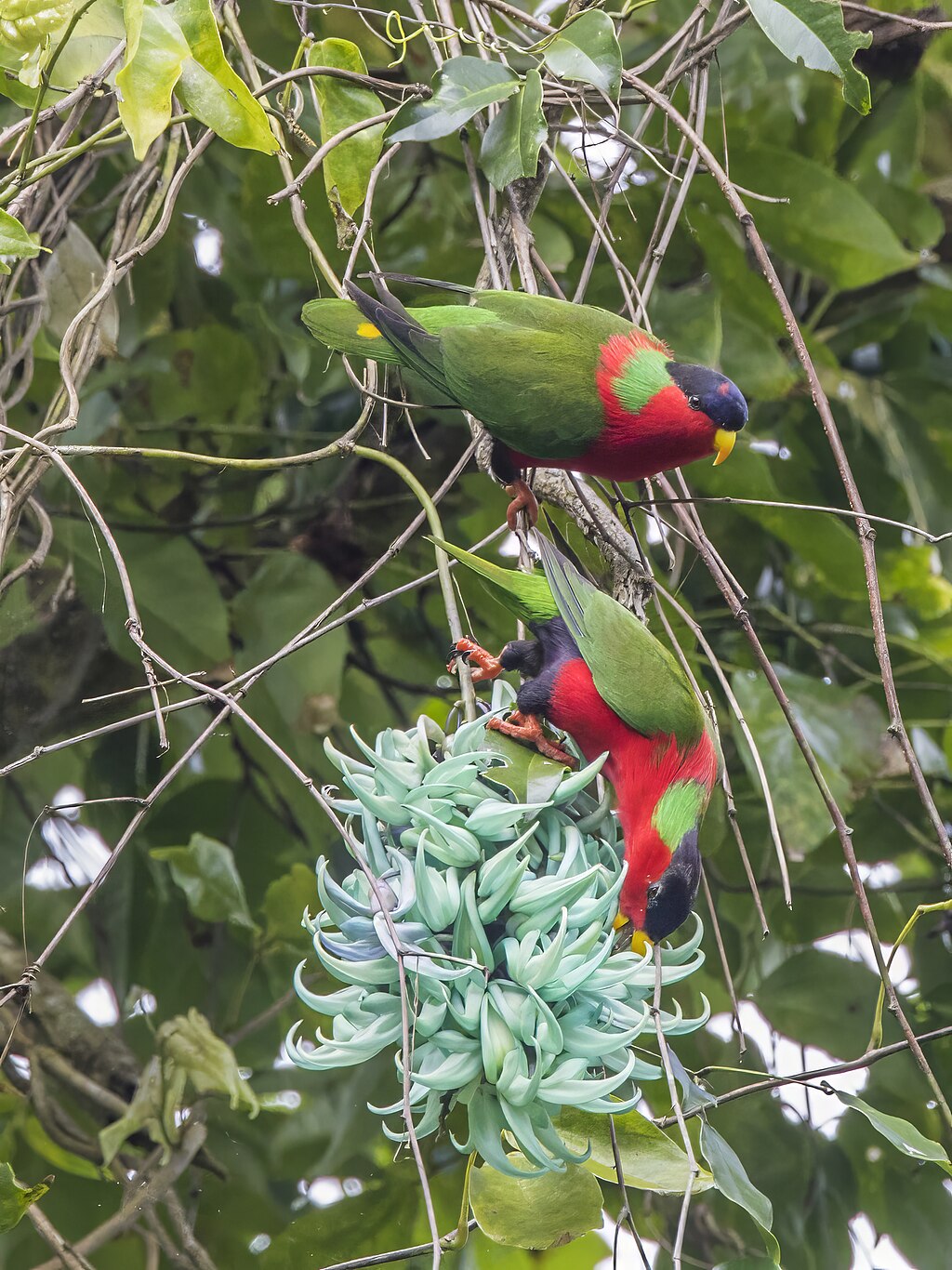
Provide flowering branches as food and enrichment. Love to bathe. Do best in a colony environment.

Nest Box Size:

Hollow nest log. Vertical box 6″ x 6″ x 24″ (15 cm x 15 cm x 61 cm).

Clutch Size:

1 or 2

Fledging Age:

About 9 weeks old.

Hatch Weight:

Peak Weight:

Weaning Weight:

World Population:

Unknown, decreasing.

IUCN Red List Status:
Least Concern

CITES Listing:
Appendix II

Threat Summary:

Not globally threatened. A BirdLife “restricted-range” species. Common in forests and wet areas on Viti Levu and Vanua Levu; also common on Makogai Island. Rare on Ngau possibly due to nest-site competition from Prosopeia tabuensis. Has also been trapped for red feathers. This species is considered to have a medium dependency on forest, and tree cover is estimated to have declined by 2.9% within its range over the past three generations. As a precautionary measure, it is tentatively suspected that this may have led to a 1-19% decline in the species’ population.

Range:

Found on the larger islands of Fiji Group, including northern Lau Archipelago.

Habitat:

Found up to 1200 m (3936 ft). Occurs mainly in lowlands in humid forest, forest edge, plantations and second growth. May also be found in areas with flowering trees such as gardens. Is plentiful in wetter windward areas, less so in leeward coastal farmlands.

Wild Diet:

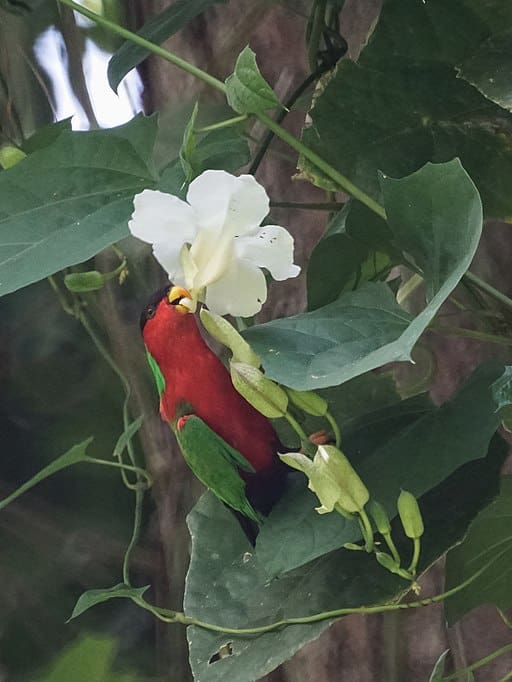
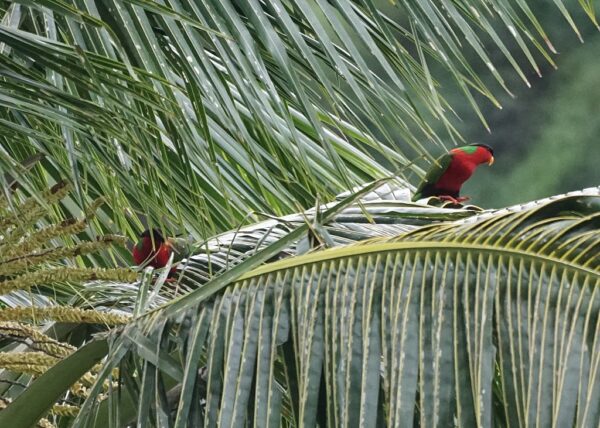
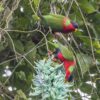
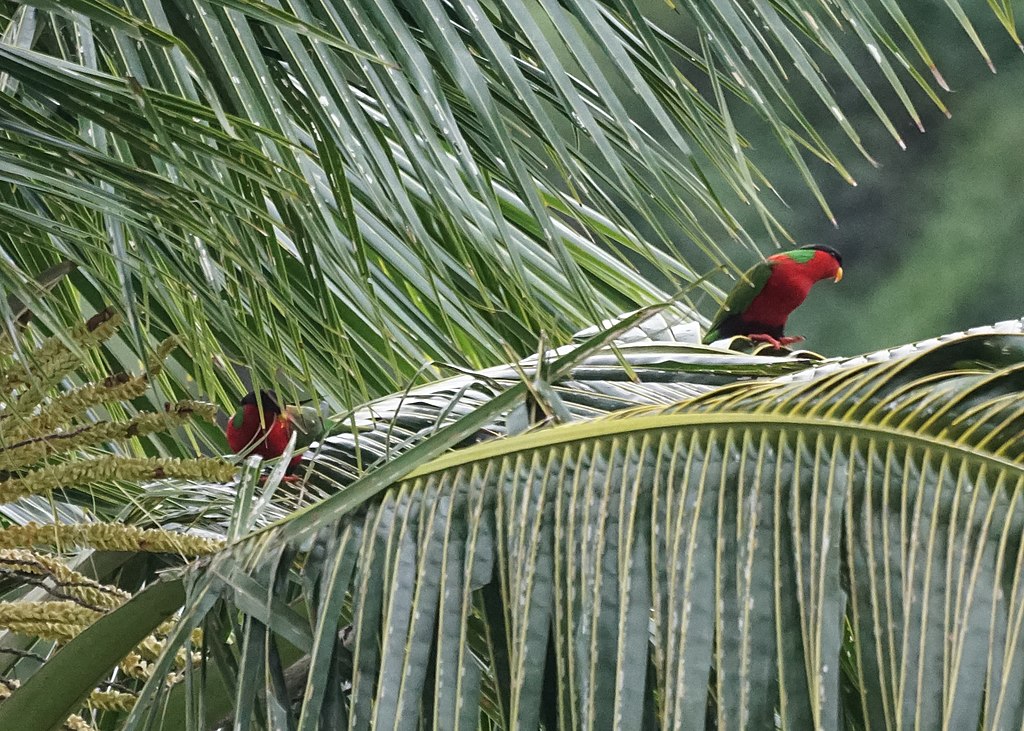
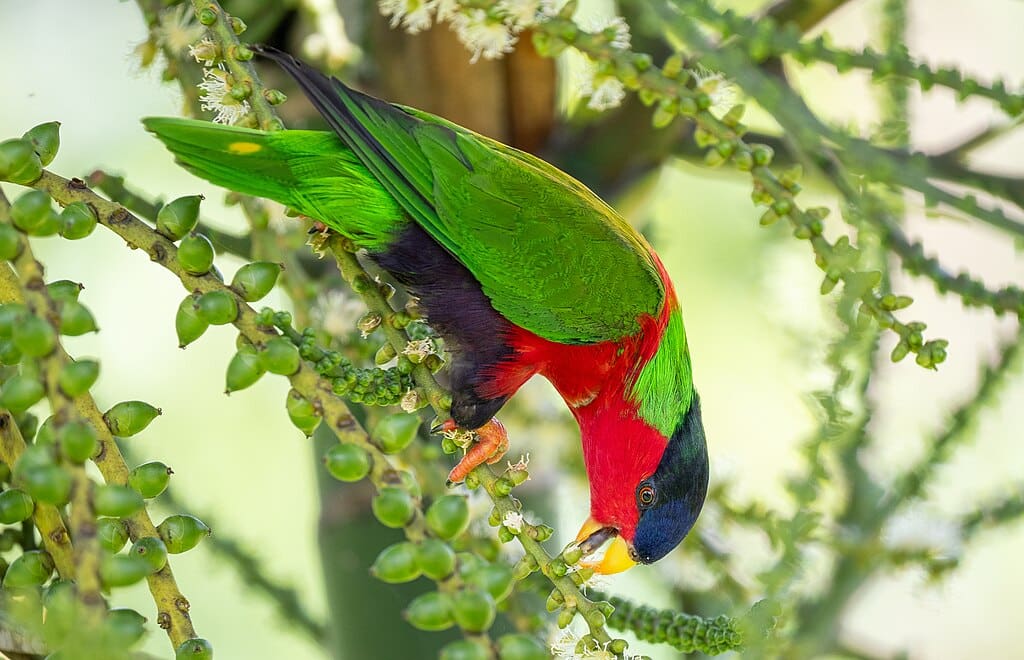
Diet includes a variety of flowers, including coconut palm (Cocos nucifera), drala (Erythrina indica), and Spathodea campanulata; also fruit, including mango (Mangifera indica) and soursop (Annona muricata).

Ecology and Behaviour:

Are conspicuous and noisy. Found in pairs or small groups of five to fifteen individuals, but have been seen in flocks of up to 50.

Clutch and Egg Size:

1 or 2 broadly elliptical eggs, 26.0 x 22.0 mm (1 x 0.8 in)

Breeding Season:

July, November-December. Nest is in cavity in tree or sometimes a rotting coconut.

Related Links:

Join Our Flock

FlockTalk our monthly newsletter for parrot people everywhere:

+ News from the world of parrots

+ Updates on wild parrot projects

+ Inspiring updates from partners

+ Real stories from the parrot flock

+ Plus, expert tips for caring for your feathered friends at home.


Stay In The Loop, Sign Up Now.
FlockTalk: our monthly newsletter for parrot people everywhere:

Parrot news. Conservation wins. Pet care tips. All in one monthly email.
We do not sell or share your information with anyone.