LEARN

Finsch’s Conure

( Psittacara finschi )

Also known as:
Crimson-fronted Parakeet or Conure

Also known as:
Crimson-fronted Parakeet or Conure

Type :
Geography:

DID YOU KNOW?

Finsch’s Conures are loyal to their roost sites, but any kind of disturbance causes the birds to completely abandon them. Hundreds of birds then need to find a new roosting area.

<p><em>Psittacara</em></p>
Genus:

Psittacara

<p><em>finschi</em></p>
Species:

finschi

Size:

28 cm (10.9 in)

Weight:

135-175 g (4.7-6.1 oz)

Subspecies including nominate:

one

Colour Adult:

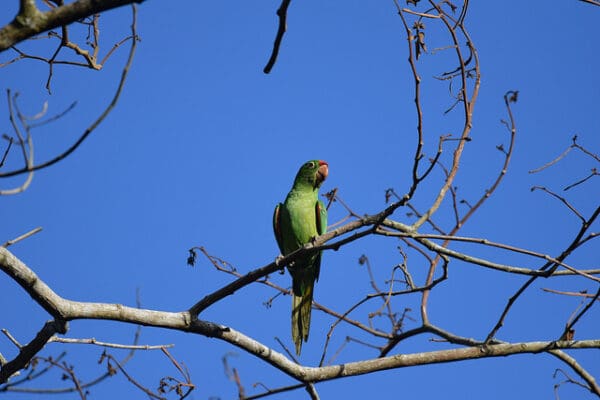
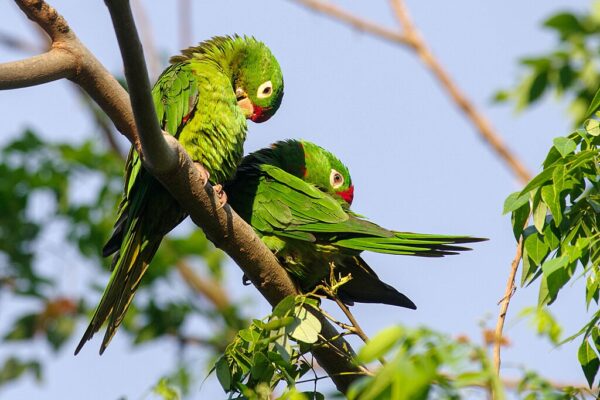
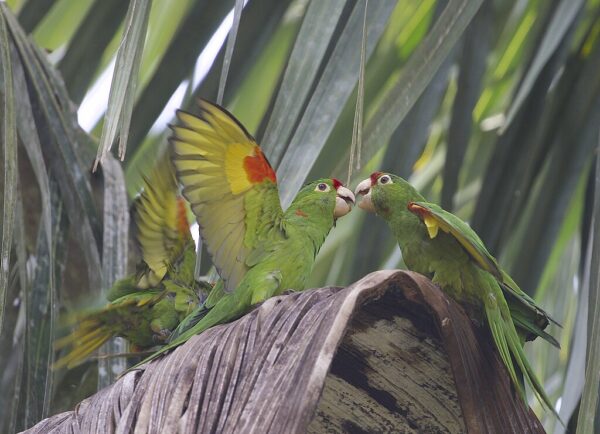
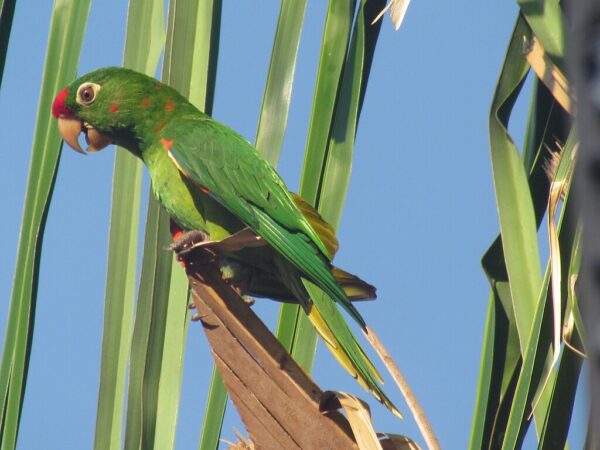
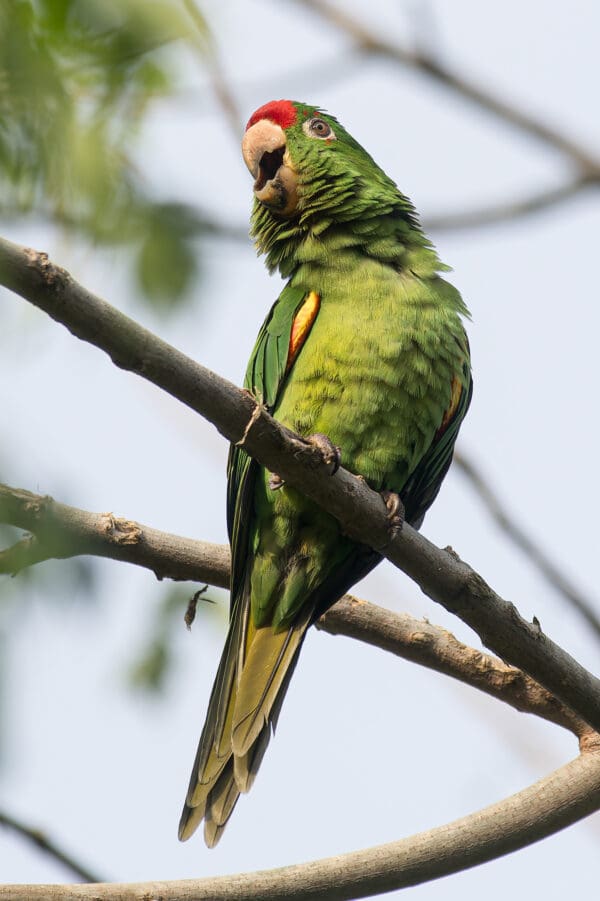
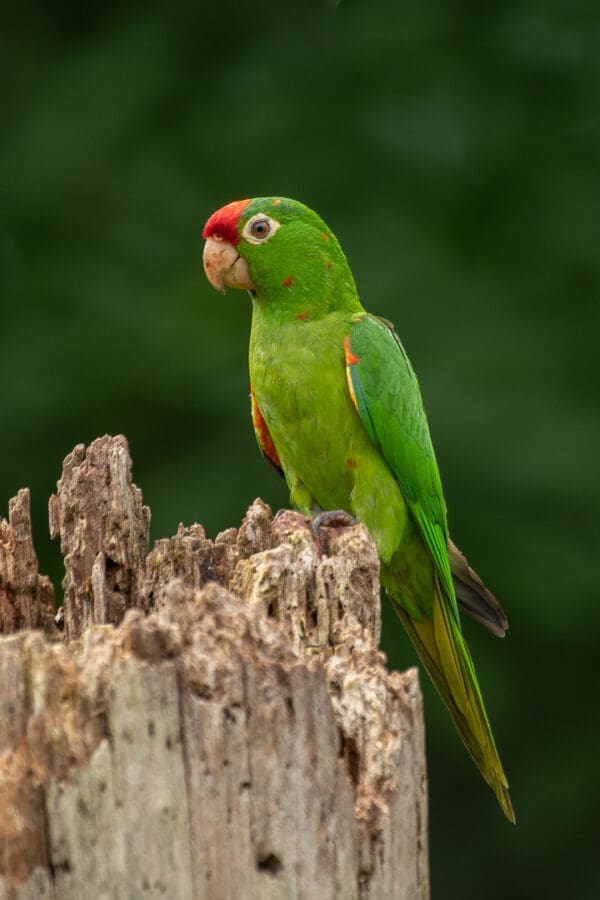
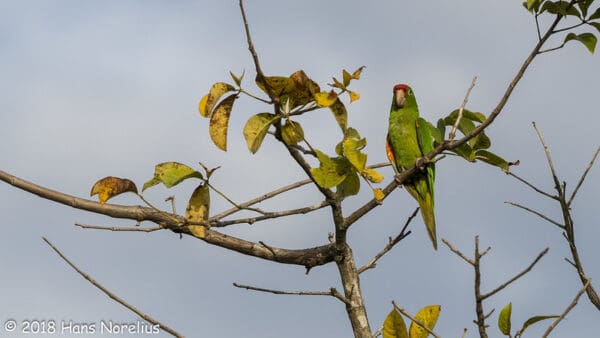
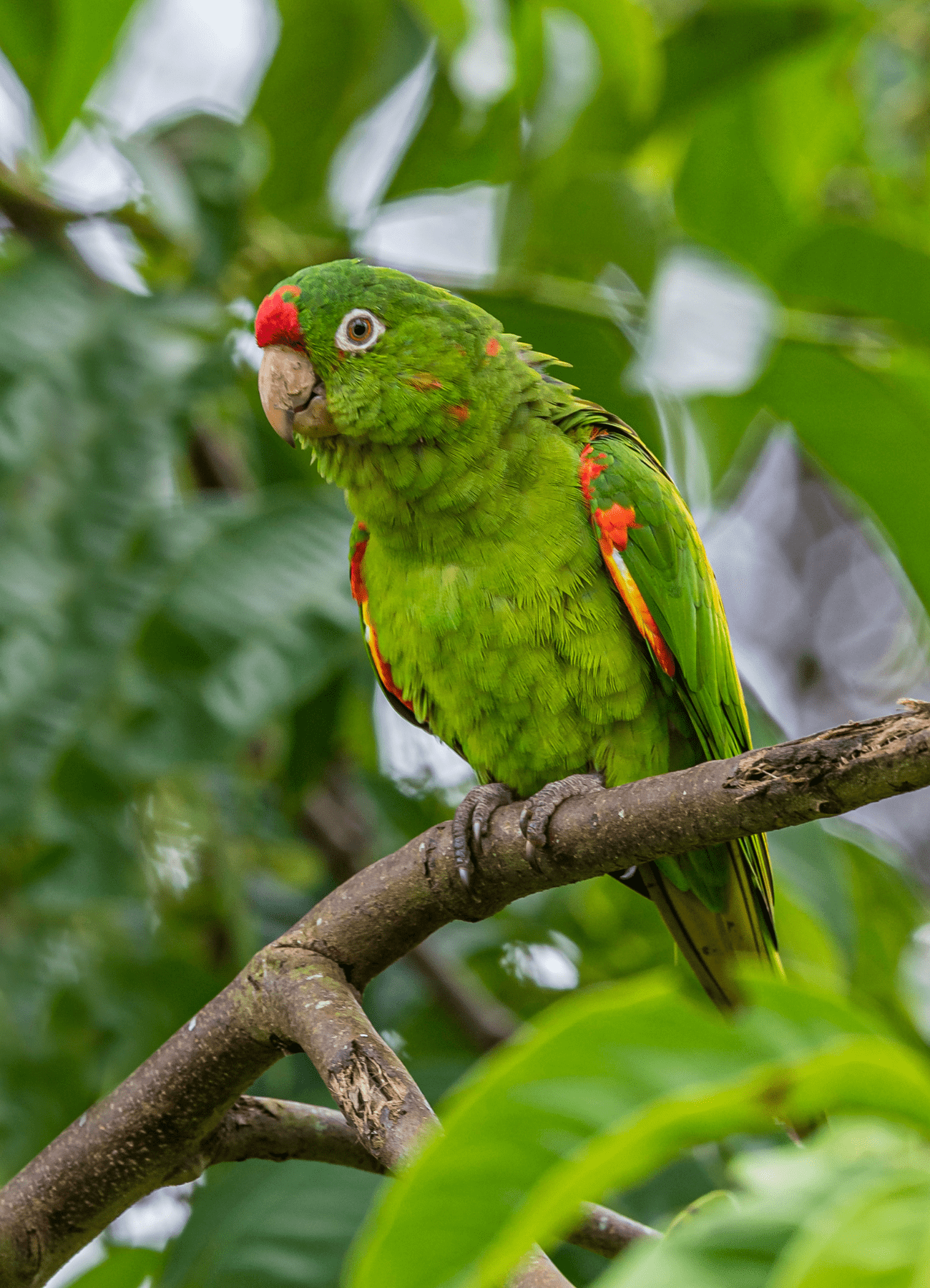
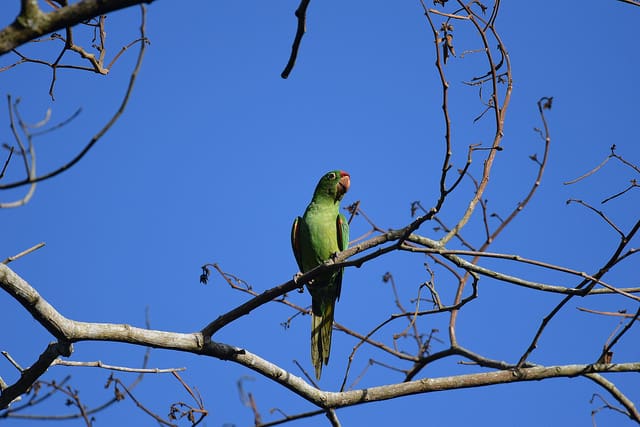
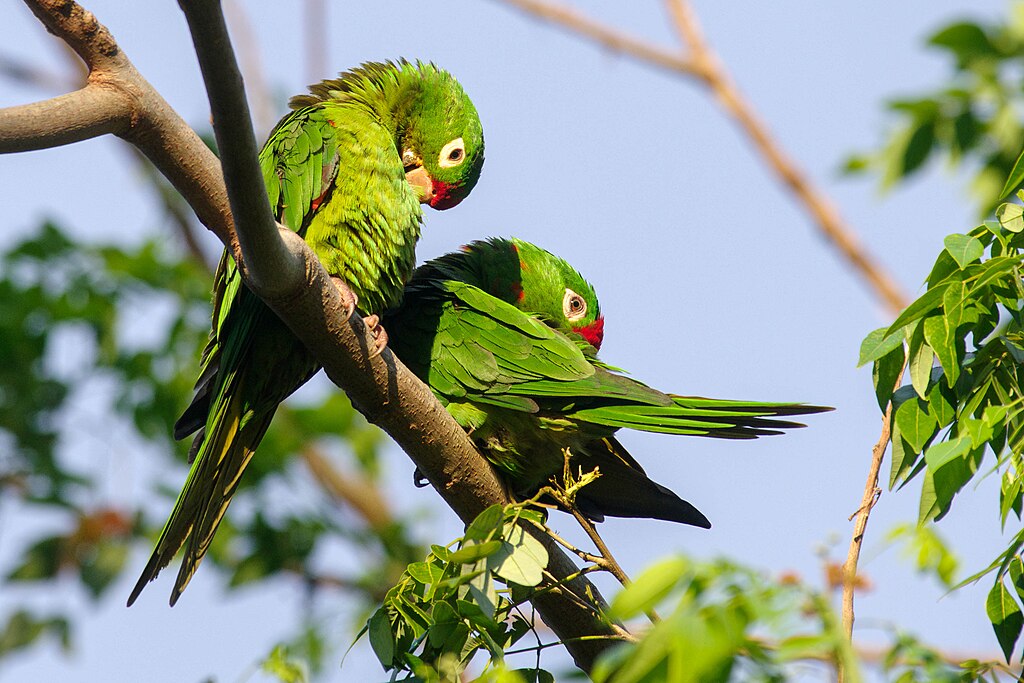
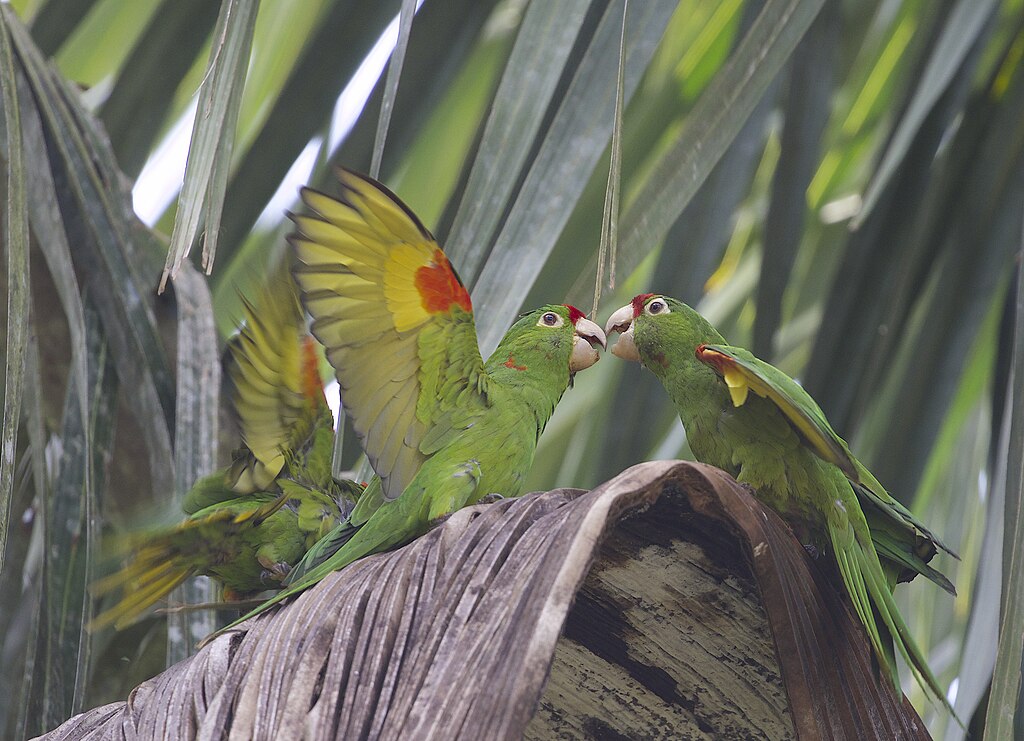
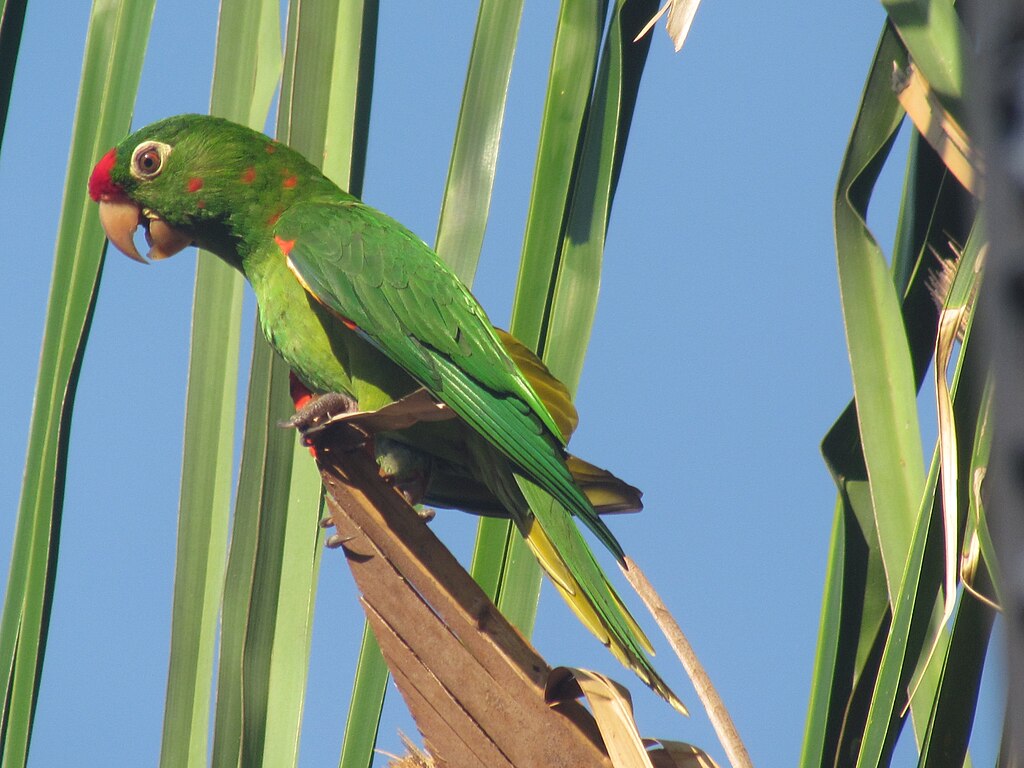
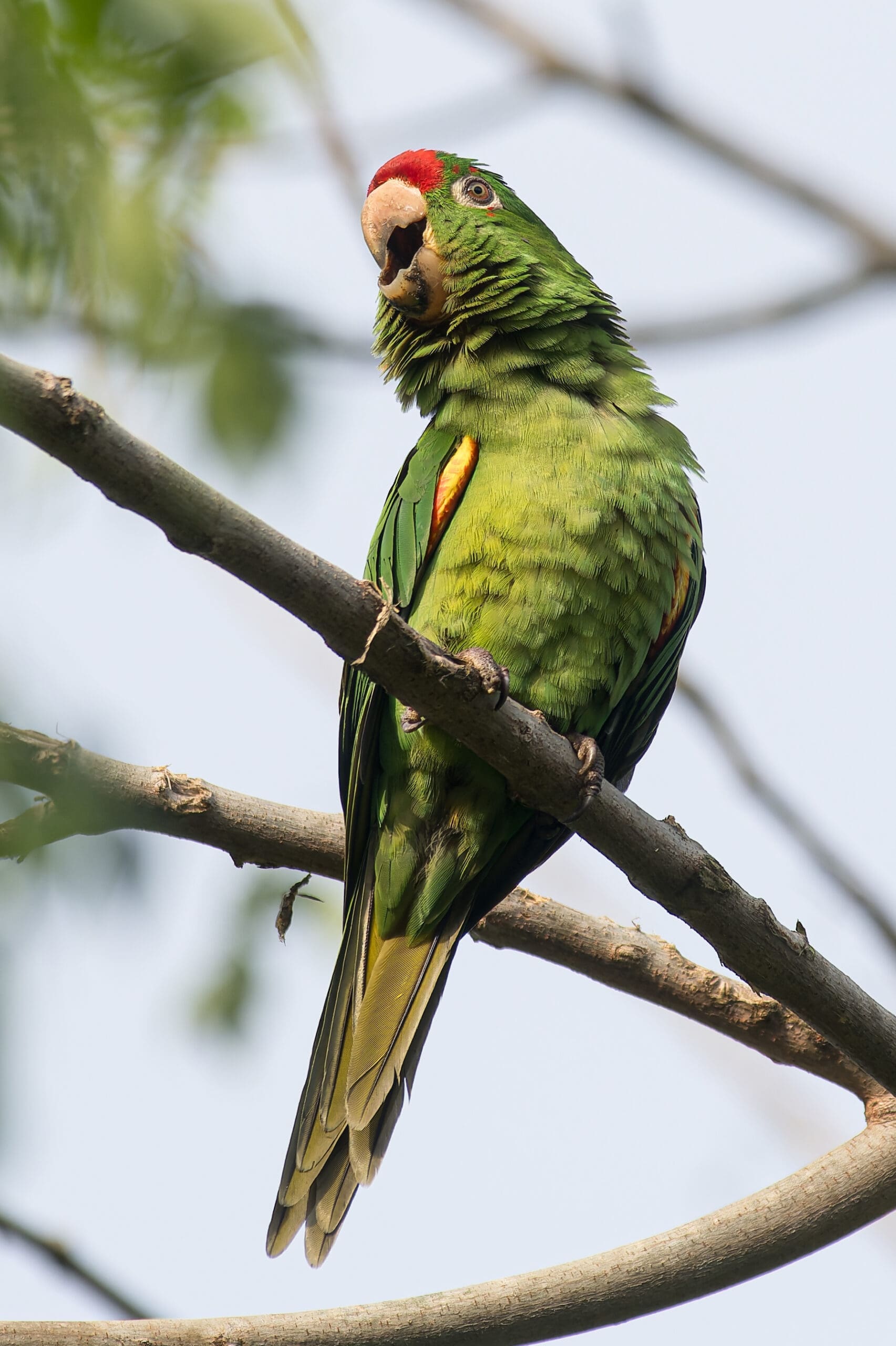
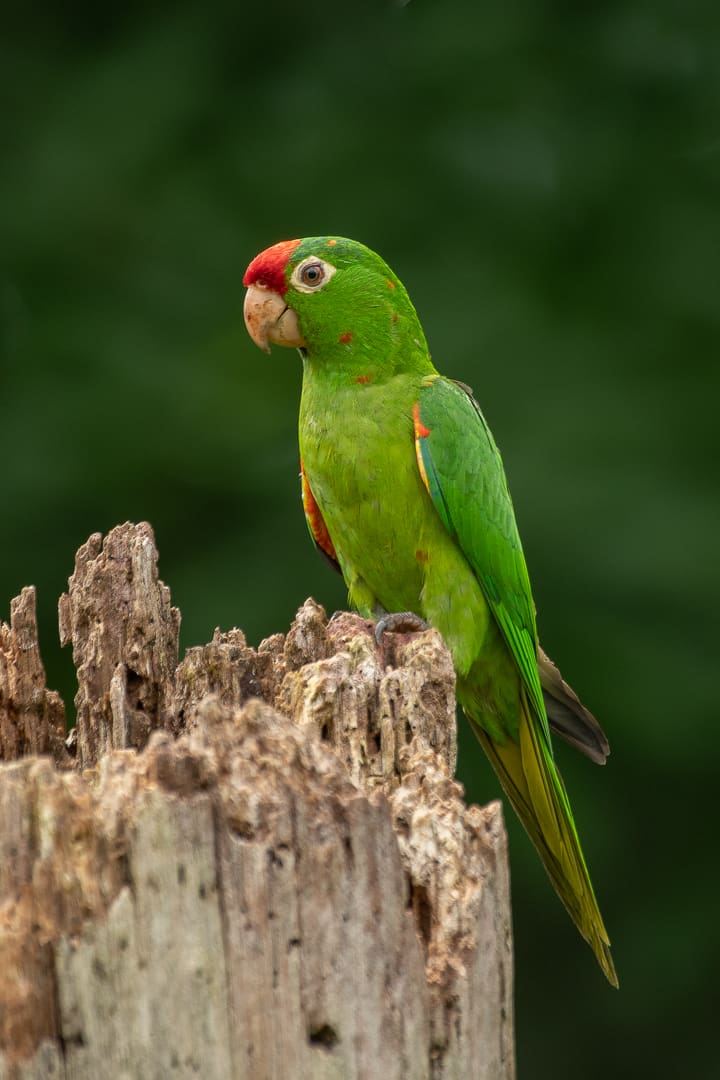
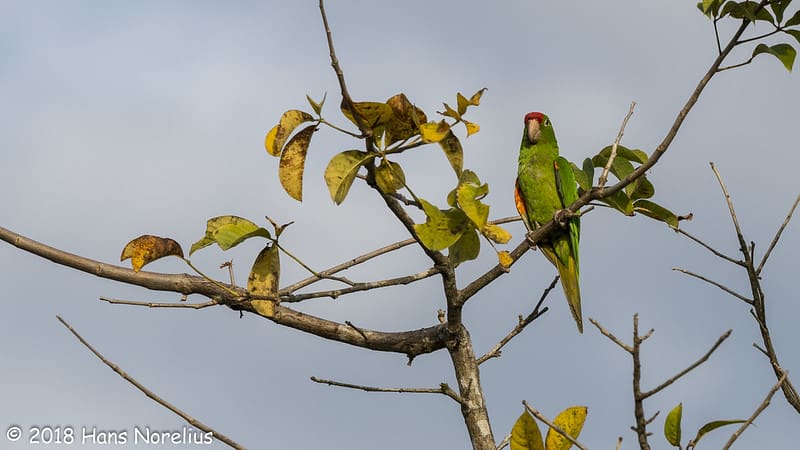
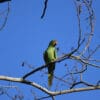
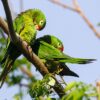
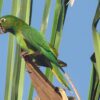
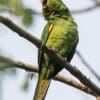
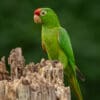
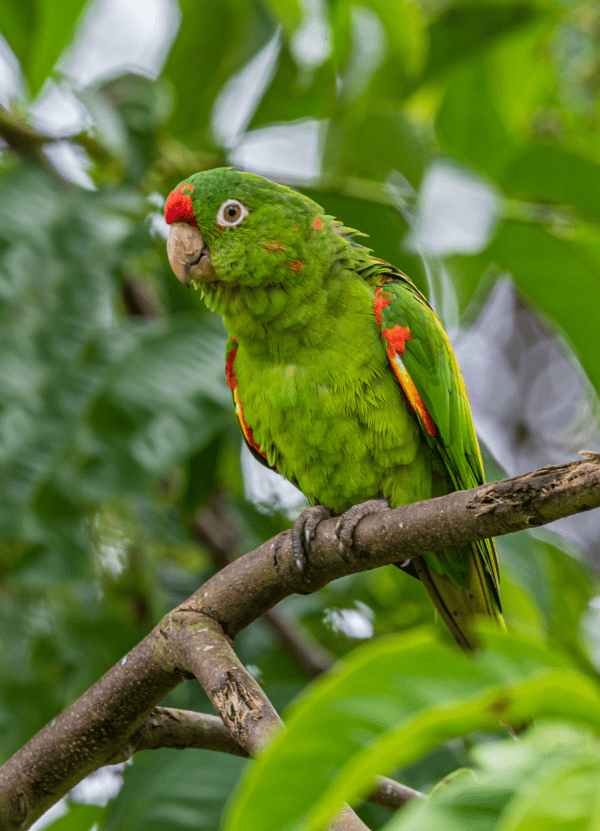
Both adults in general yellow/green; red forehead and forecrown; sometimes a few scattered red feathers on neck; red bend of wing, carpal edge and outer lesser underwing coverts, occasionally tinted with orange; yellow outer greater underwing coverts; green inner underwing coverts; variable red markings on thighs. Beak horn-coloured. Eye ring bare and buff/white. Eye orange.

Colour Juvenile:

As in adults but red on forehead and forecrown minimal or absent; dull olive outer greater underwing coverts; red on thighs absent. Eye grey.

Call:

Calls in flight are loud and raucous; also higher pitched whistles, squawks and chattering sounds. Nighttime at roosting site calls are loud, harsh and gutteral. Some nighttime calls more elaborate and song-like.

Xeno-canto Wildlife Sounds-Finsch’s Conure

More Information:

Avibase

Content Sources:

CITES
Parrot and Conure World
BirdLife International
Cornell Lab of Ornithology/Birds of the World
Parrots: A Guide to Parrots of the World, Juniper and Parr, 1998
Parrots of the World, Forshaw, 2006. 2010 edition
Parrots in Aviculture, Low, 1992.
Psittacine Aviculture, Schubot, Clubb and Clubb, 1992.

Captive Status:

Fairly common in US, less so elsewhere.

Longevity:

15-20 yrs

Housing:

Aviary or suspended enclosure, minimum length 2-3 m (6.5-9.8 ft). Provide roosting/nest box.

Diet:

Fruit such as: apple, pear, orange, banana, cactus fruits, pomegranate, forming about 30 percent of diet; vegetables such as: carrot, celery, green beans and peas in the pod; fresh corn; green leaves such as: Swiss chard, lettuce, sowthistle, dandelion, chickweed; spray millet; small seed mix such as: canary, millet, and smaller amounts of oats, buckwheat and safflower; soaked and sprouted sunflower seed; cooked beans and pulses; boiled maize and complete pellet.
Enrichment:

Provide overhead misters or fresh water daily for bathing. Provide bird-safe branches, wood toys, heat sterilized pine cones, puzzle and foraging toys, ladders, swings.

Nest Box Size:

Vertical box 12″ x 12″ x 18″ (30.5 cm x 30.5 cm x 46 cm).

Clutch Size:

3-4

Fledging Age:

8 weeks

Hatch Weight:

Peak Weight:

Weaning Weight:

World Population:

500,000-5,000,000 mature individuals, stable.

IUCN Red List Status:
Least Concern

CITES Listing:
Appendix II

Threat Summary:

Not globally threatened. Abundant on the Caribbean slope of Nicaragua. Widespread in deforested areas throughout the Caribbean slope of Costa Rica, in the Central Valley and the south Pacific. Locally common and spreading east in Panama. Uncommon in international trade.

Range:

Occurs in south-central America, from southwestern Nicaragua to Costa Rica, throughout the Caribbean slope. Is a regular visitor to Guanacaste and on the southern Pacific slope and east to the Azuero Peninsula, western Panama.

Habitat:

Found up to 1400 m (4592 ft) in tropical and subtropical zones in Costa Rica and up to 1650 m (5412 ft) in lightly wooded or open country with isolated trees, secondary growth, woodland edge, coffee plantations and other agricultural lands in western Panama.

Wild Diet:

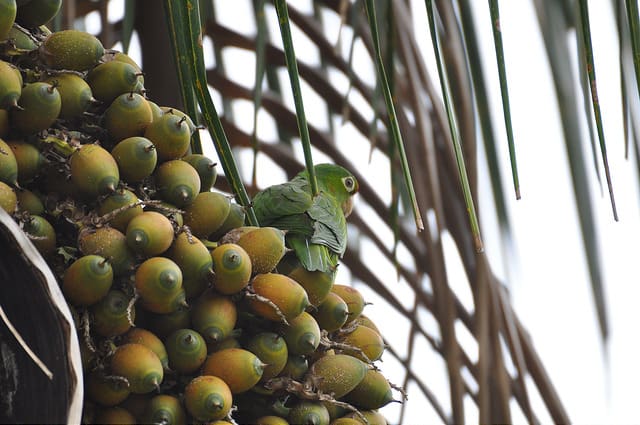
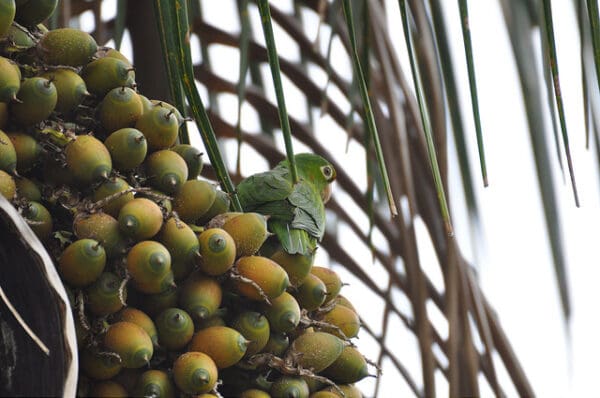
Feeds on flowers and fruits of Erythrina and Inga, fruits of Croton, Zanthoxylum and Ficus and grain such as sorghum and maize.

Ecology and Behaviour:

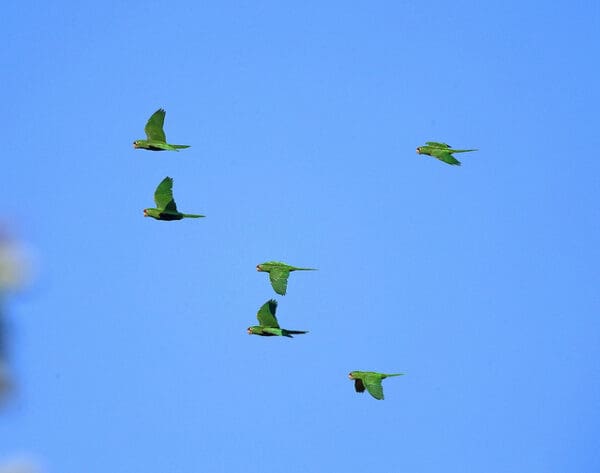
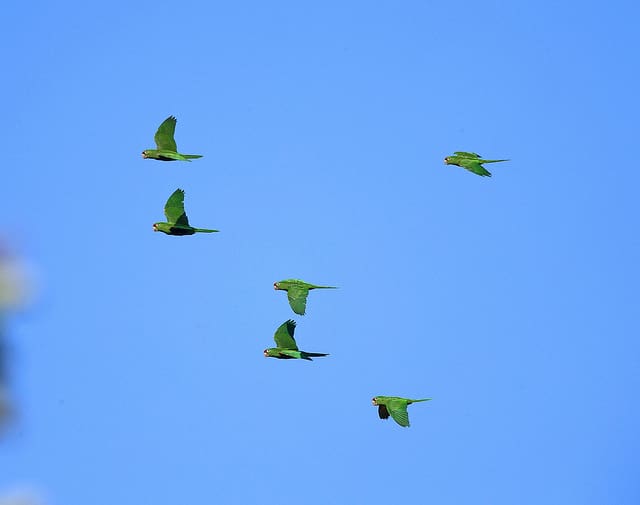
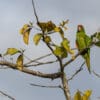
Social, seen generally in groups of up to 30 individuals. Larger flocks of several hundred gather at communal roosts in tops of trees or palms.

Clutch and Egg Size:

3-4 eggs

Breeding Season:

July, Panama; December–May, Costa Rica. Nest is often old palm stub cavity; may excavate hole in rotten wood or base of epiphyte.

Related Links:

Join Our Flock

FlockTalk our monthly newsletter for parrot people everywhere:

+ News from the world of parrots

+ Updates on wild parrot projects

+ Inspiring updates from partners

+ Real stories from the parrot flock

+ Plus, expert tips for caring for your feathered friends at home.


Stay In The Loop, Sign Up Now.

FlockTalk: our monthly newsletter for parrot people everywhere:

Parrot news. Conservation wins. Pet care tips. All in one monthly email.

We do not sell or share your information with anyone.