LEARN

Kuhl’s Lorikeet

( Vini kuhlii )

Also known as:
Kuhl's Lory, Kuhl's Ruffed Lorikeet, Ruby Lorikeet, Scarlet-breasted Lorikeet, Rimatara Lorikeet, Kura

Also known as:
Kuhl's Lory, Kuhl's Ruffed Lorikeet, Ruby Lorikeet, Scarlet-breasted Lorikeet, Rimatara Lorikeet, Kura

Geography:

DID YOU KNOW?

Queen Tamaeva V in 1900 put in measures prohibiting the exporting, exploiting or harming the lorikeets in any way.

<p><em>Vini</em></p>
Genus:

Vini

<p><em>kuhlii</em></p>
Species:

kuhlii

Size:

19 cm (7.4 in)

Weight:

55 g (1.9 oz)

Subspecies including nominate:

one

Colour Adult:

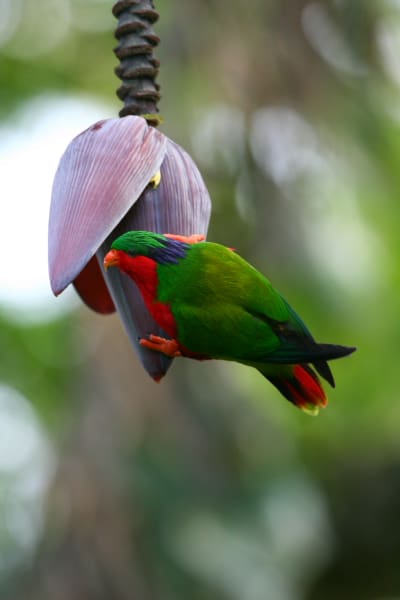
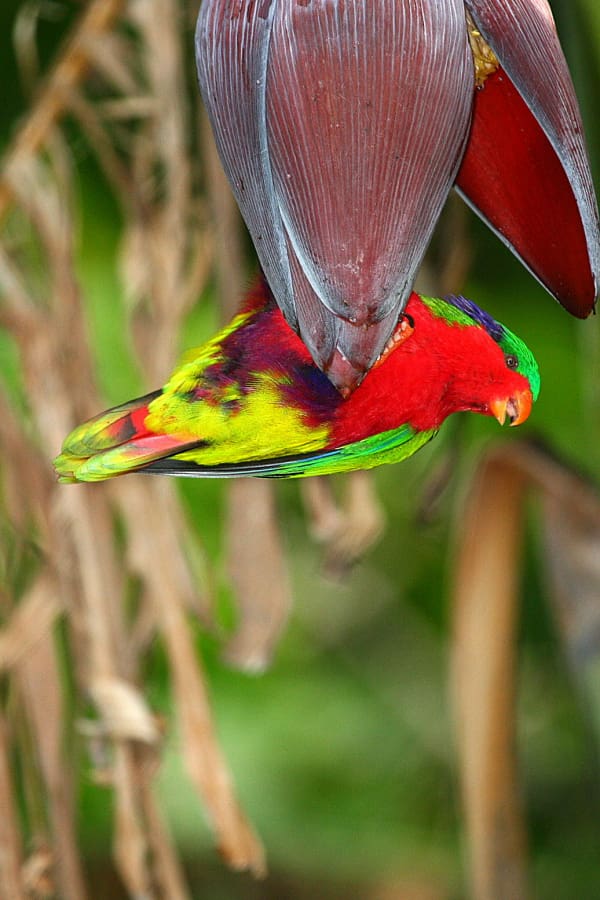
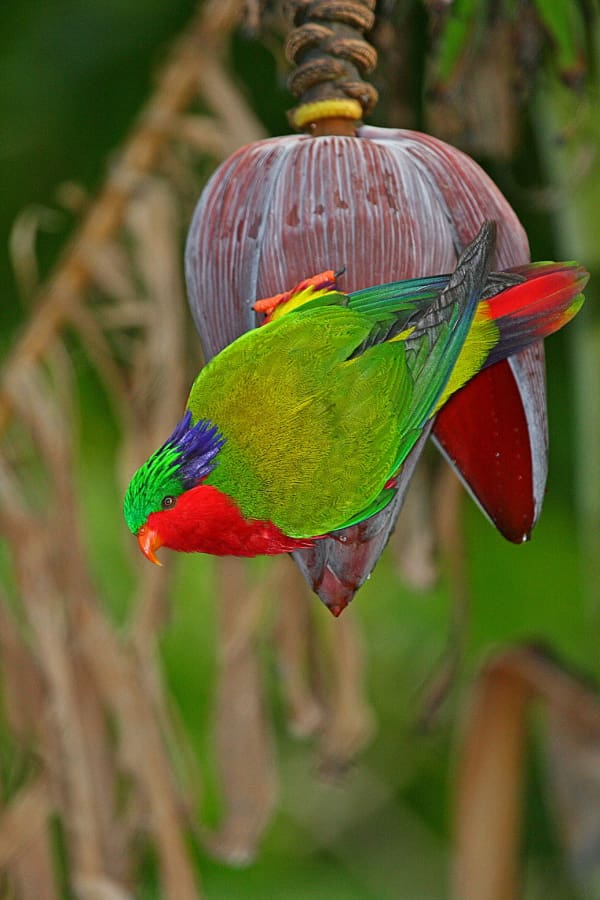
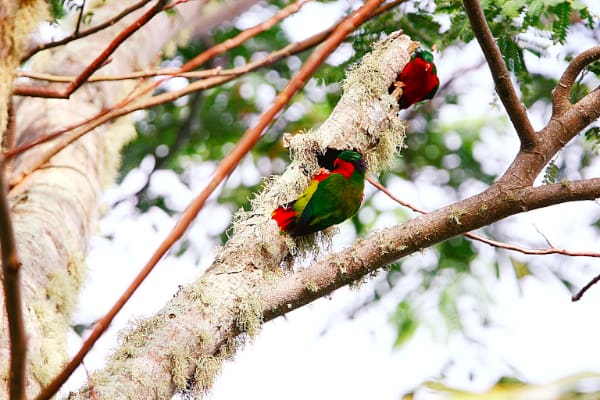
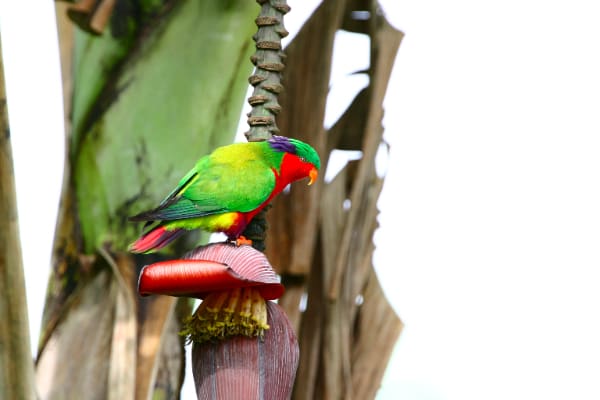
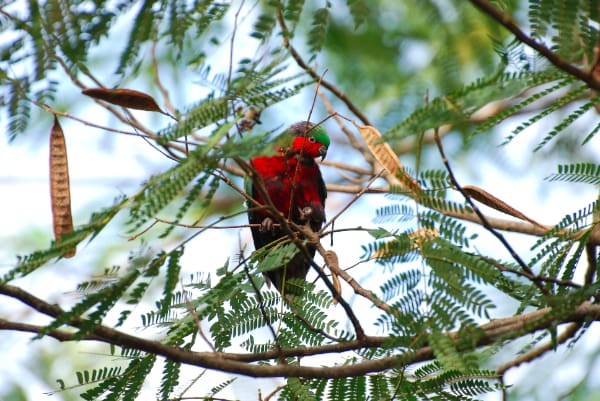
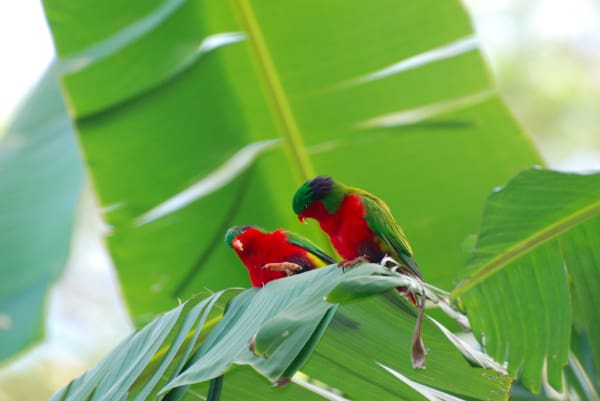
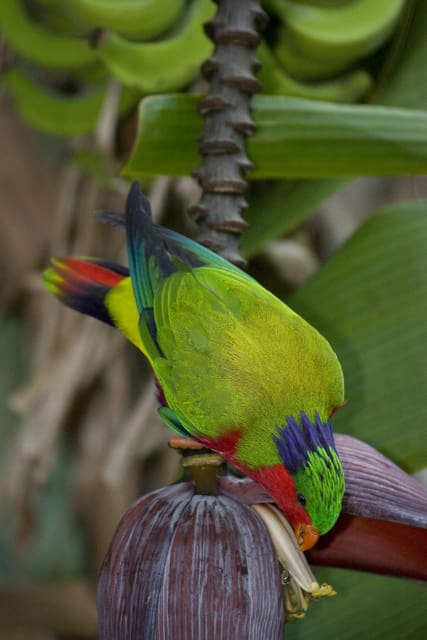
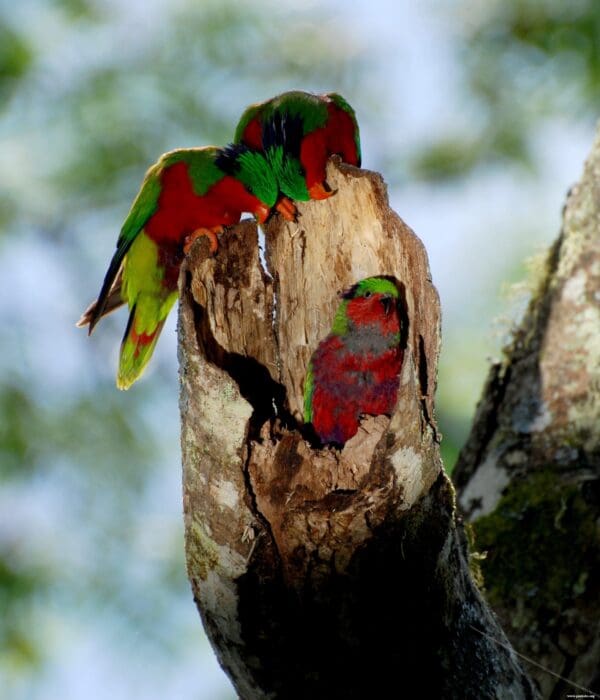
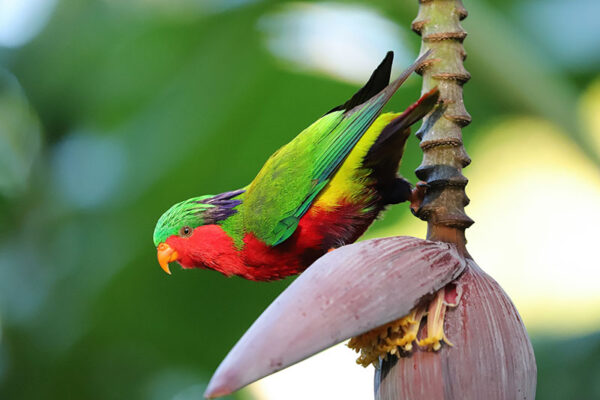
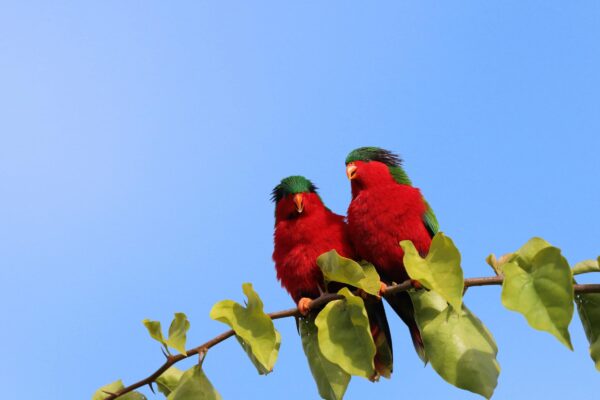
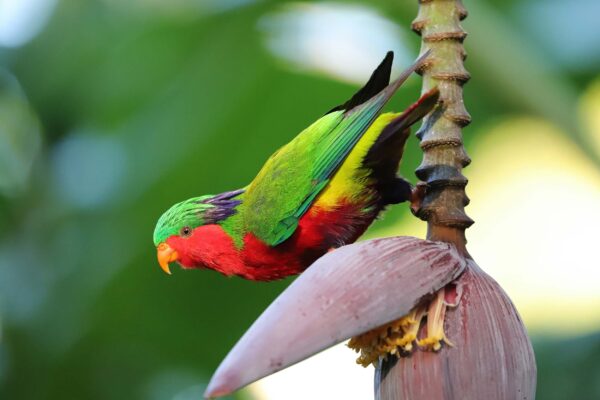
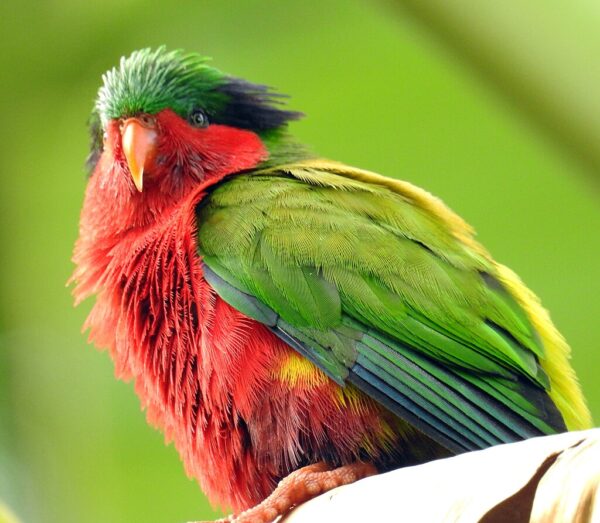
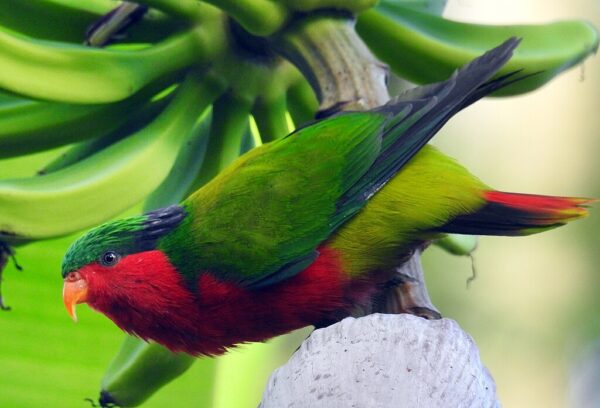
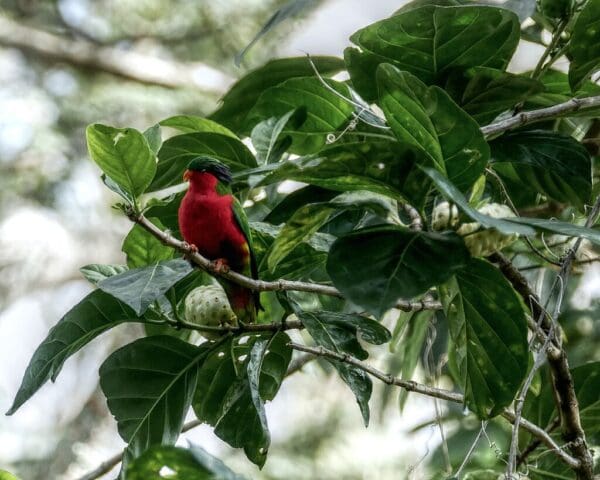
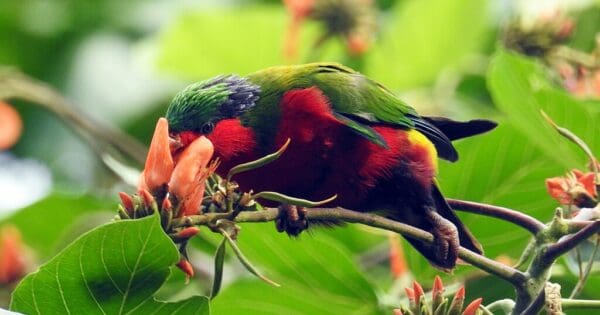
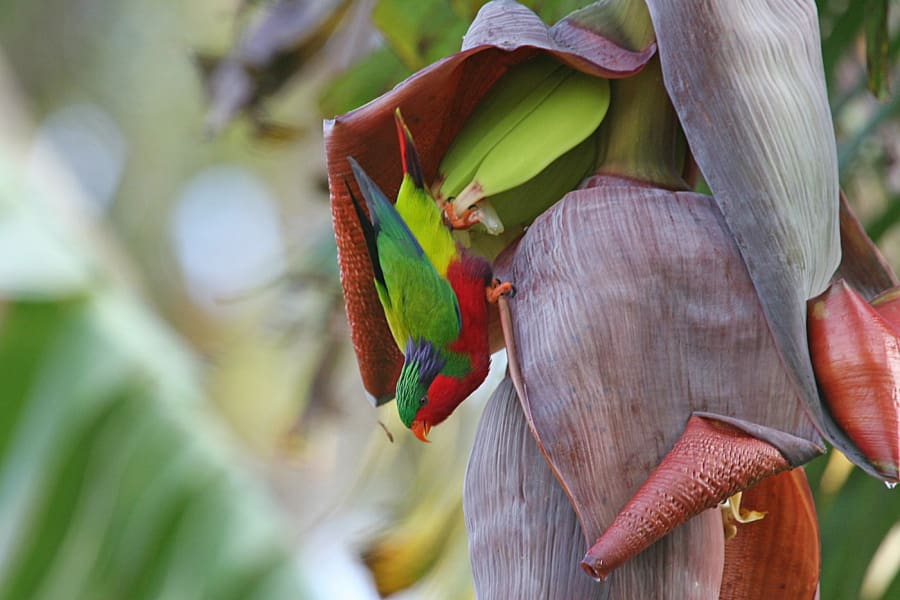
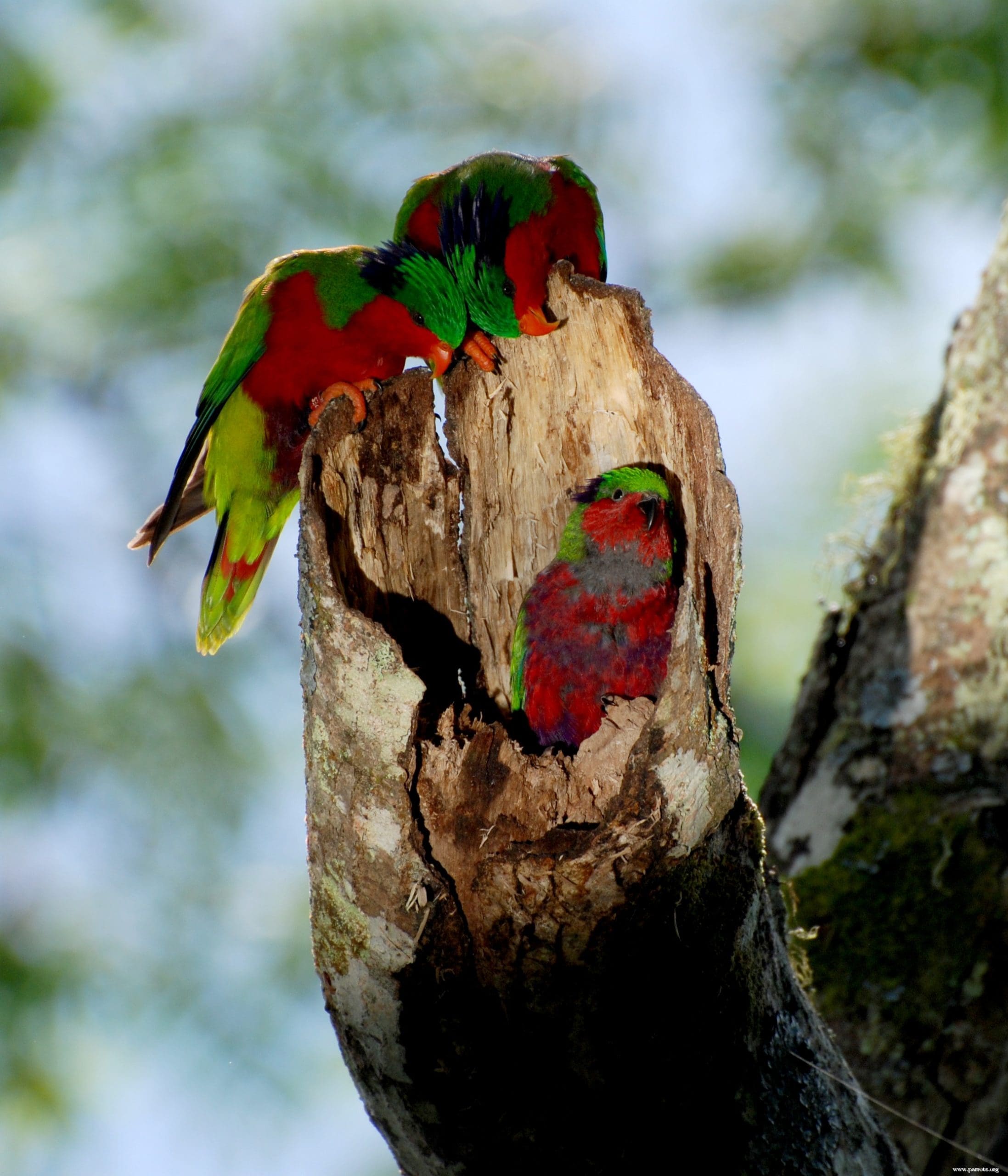
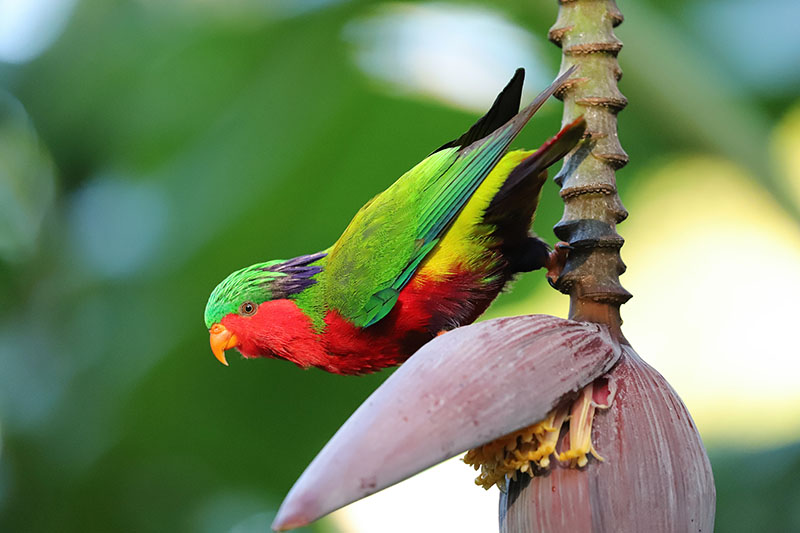
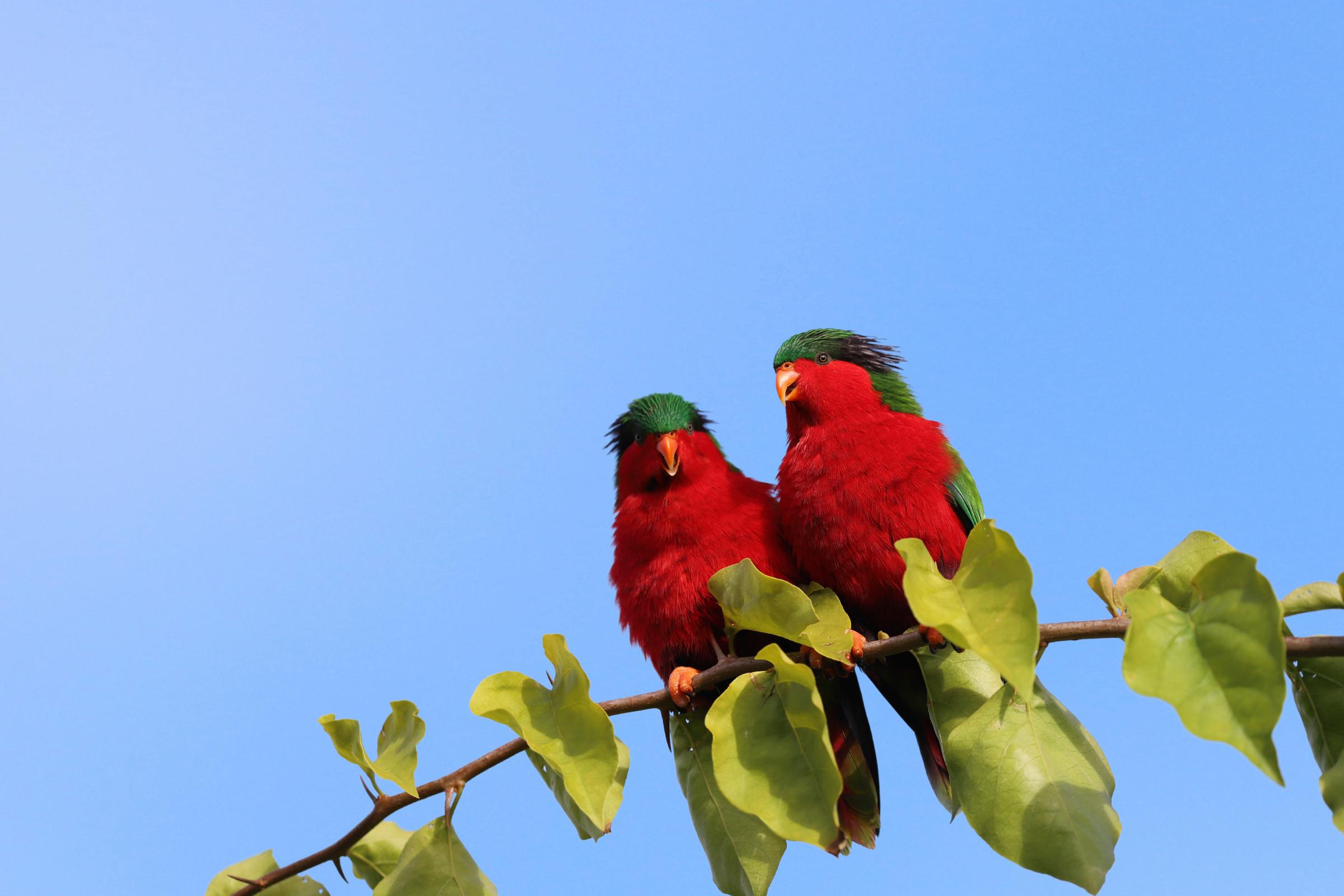
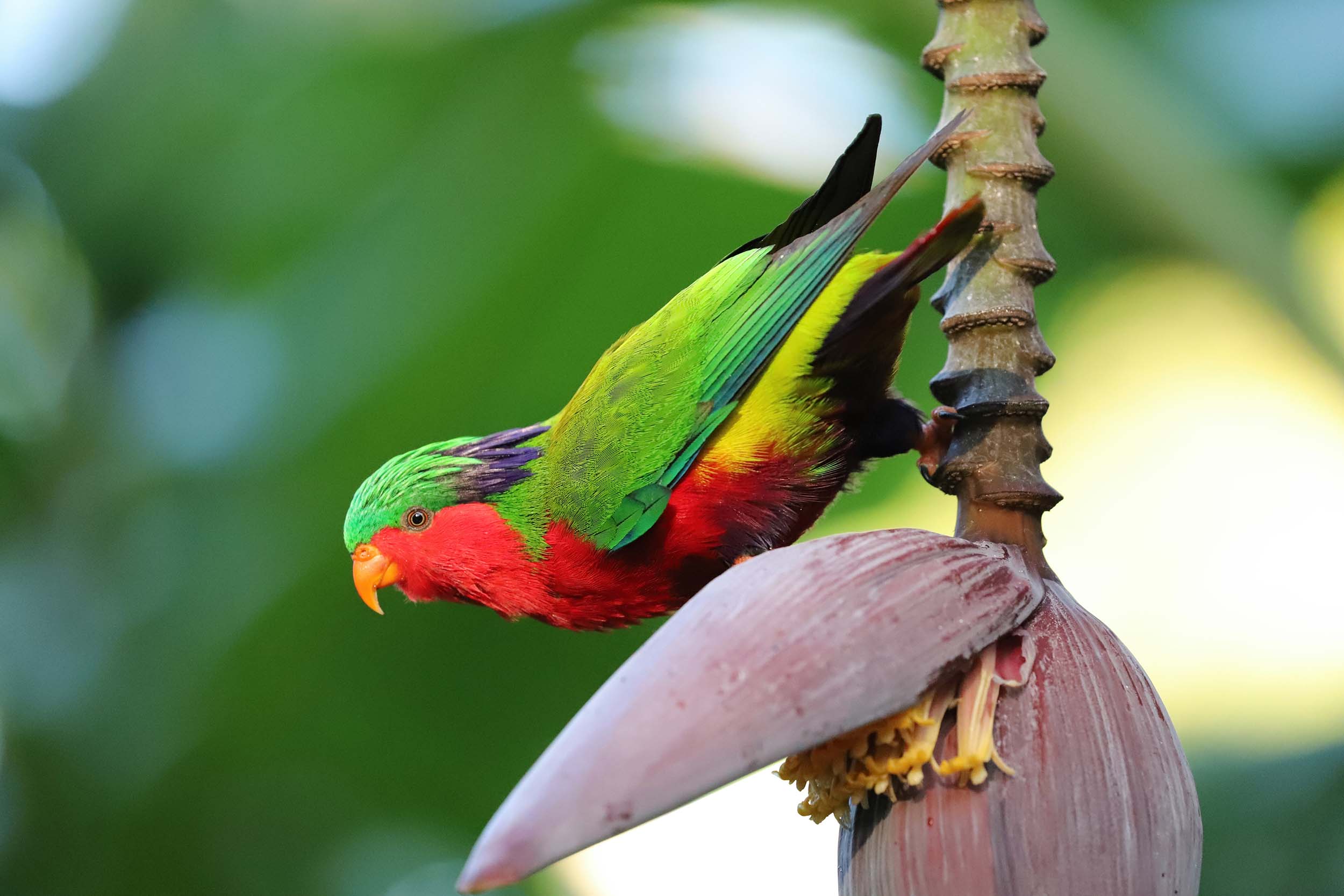
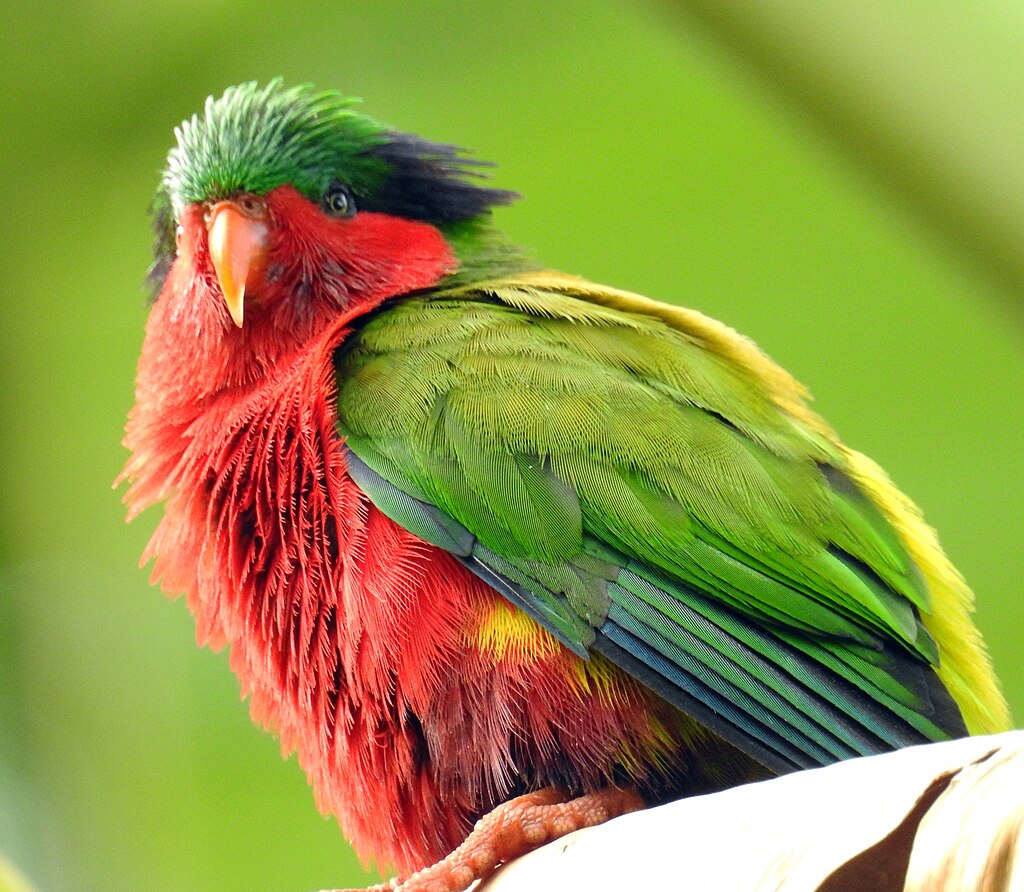
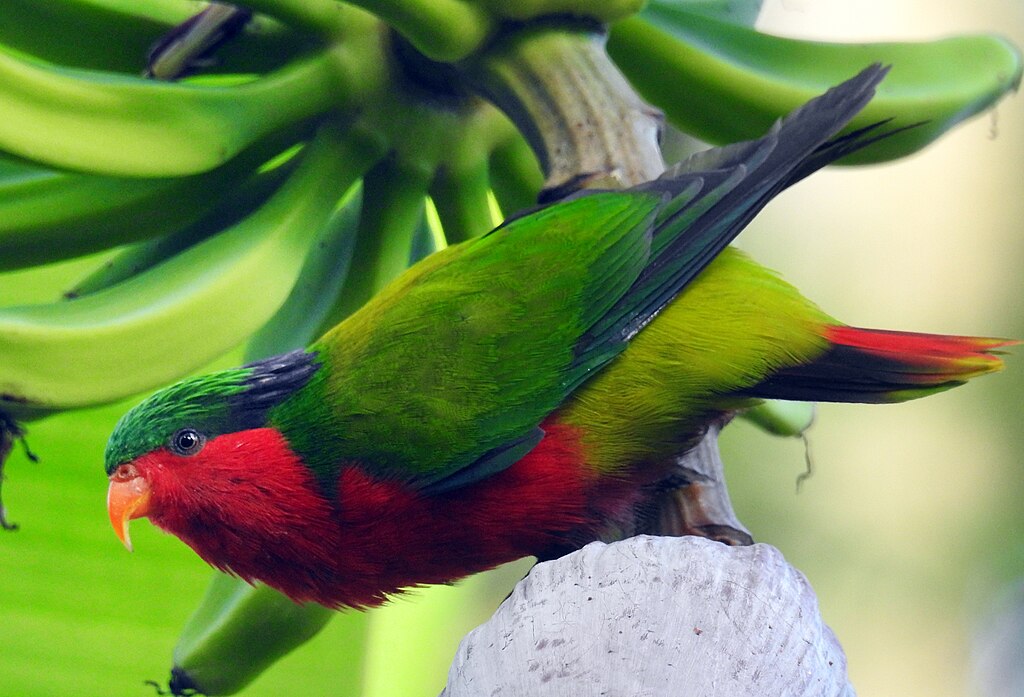
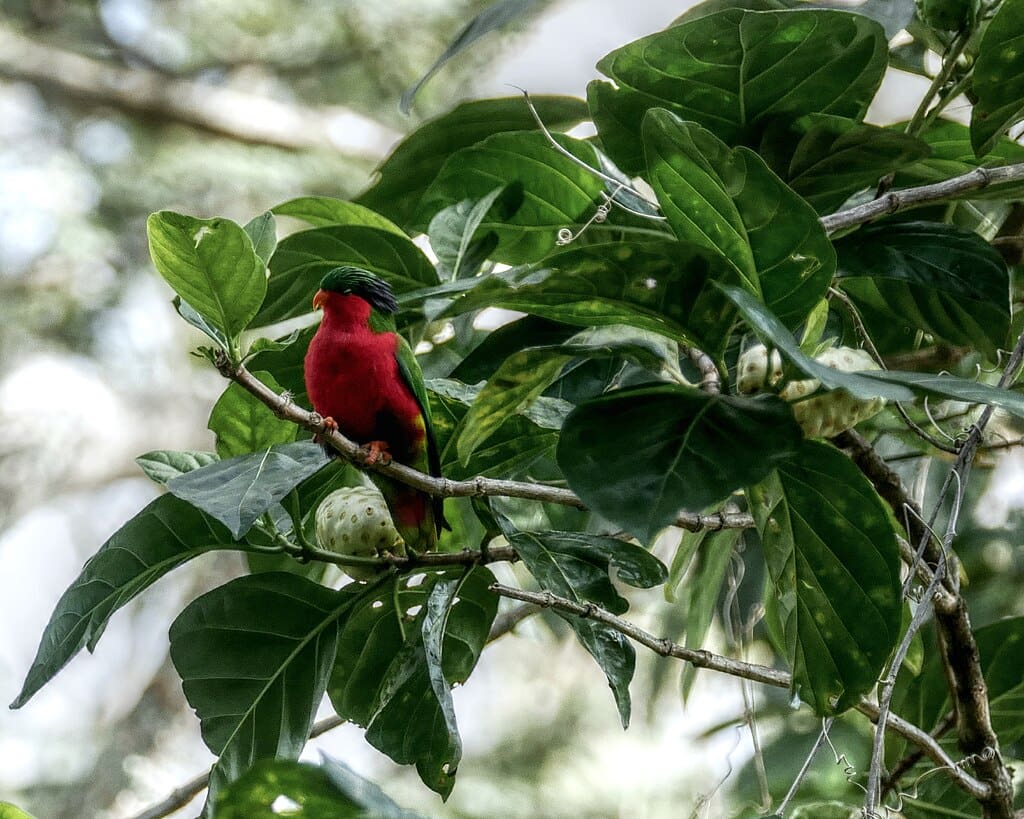
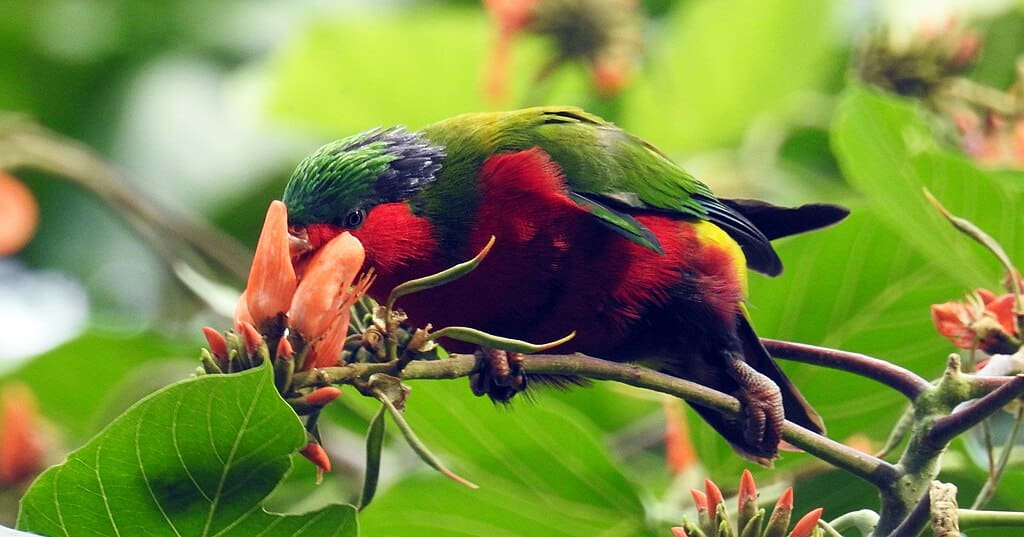
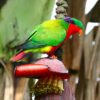
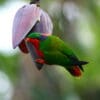
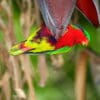
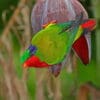
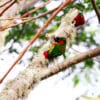
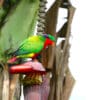
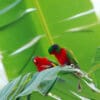
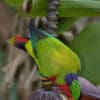
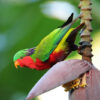
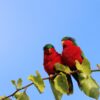
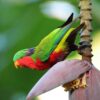
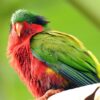
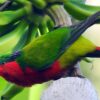
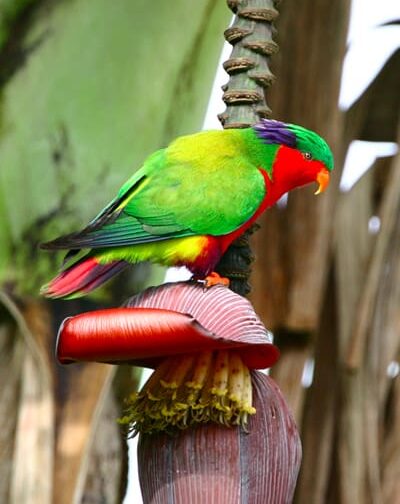
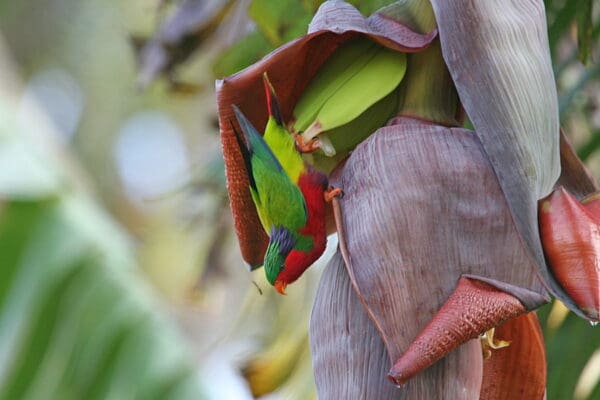
Both adults green upperparts, turning to green/yellow on lower back to flanks and tail coverts; dark green crown, the longer feathers streaked with paler green; dark blue occiput, the longer feathers streaked with lilac/blue; red face and breast to abdomen; purple thighs; red tail. Beak deep orange. Eye red.

Colour Juvenile:

Underparts dull red, with feathers margined grey/purple. Beak dusky brown. Eye brown.

Call:

Call is described as shrill croak or screech.

Xeno-canto Wildlife Sounds-Kuhl’s Lorikeet

Content Sources:

CITES
Avibase
BirdLife International
Cornell Lab of Ornithology/Birds of the World
A Guide to Parrots of the World, Juniper and Parr, 1998
Parrots of the World, Forshaw, 2006. 2010 edition
Vanished and Vanishing Parrots, Forshaw, 2017.

Captive Status:

Not found in captivity.

Longevity:

Housing:

Diet:

Enrichment:

Nest Box Size:

Clutch Size:

2

Fledging Age:

7 weeks

Hatch Weight:

Peak Weight:

Weaning Weight:

World Population:

800 mature individuals, tentatively stable.

IUCN Red List Status:
Endangered

CITES Listing:
Appendix II

Threat Summary:

A BirdLife “restricted-range” species. Exploitation for this species’ red feathers resulted in its prehistoric extinction in the Cook Islands. A significant modern threat on other islands is the black rat, Rattus rattus. The Common Myna Acridotheres tristis competes for nesting sites and has been reported to attack fledglings. Many of the large trees on Rimatara have been lost to agriculture.

Range:

Rimatara in the Austral Island group of French Polynesia; introduced to Tabuaran and Kiritimati in the Kiribata Island nation, and most recently, re-established on the island of Atiu in the Cook Islands.

Habitat:

On Rimatara, birds favour the mixed horticultural belt, being uncommon in coastal coconut plantations and rare in makatea forest. On Teraina, they use all terrestrial habitats, including coconut-dominated forest, Pisonia grandis, Pandanus areas and a coastal fringe of Messerschmidtia argentea, Scaevola taccada and Cordia subcordata.

Wild Diet:

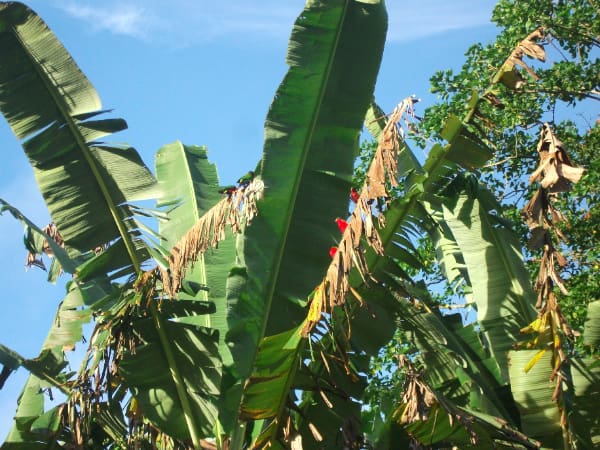
On Rimatara, the diet includes flowers of Inga ynga, Casuarina equisetifolia (seeds), Paraserianthes falcataria, Musa, Mangifera, Ceiba pentandra, Cocos nucifera, Hibiscus rosa-sinensis, Erythrina variegata, Adenanthera pavonina, Syzygium jambos, Albizia lebbeck. Also, flowers of Coffea arabica and Hibiscus tiliaceus, Terminalia catappa, Premna obtusifolia and rotting leaf borders of Barringtonia asiatica.
Ecology and Behaviour:

Birds are seen in pairs or small flocks of up to 12 birds; is often seen flying above tree tops.
Clutch and Egg Size:

Usually 2 eggs.

Breeding Season:

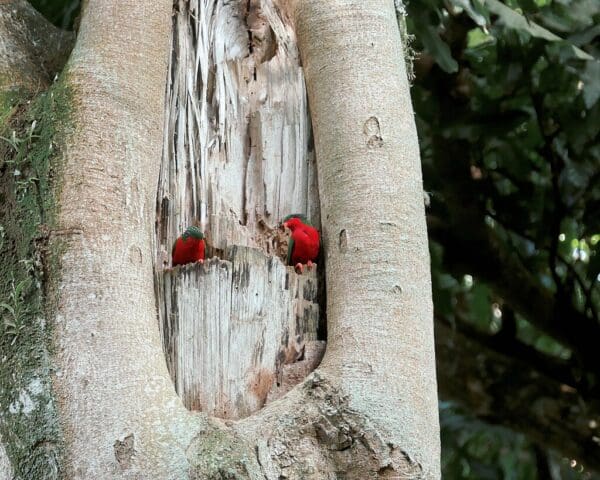
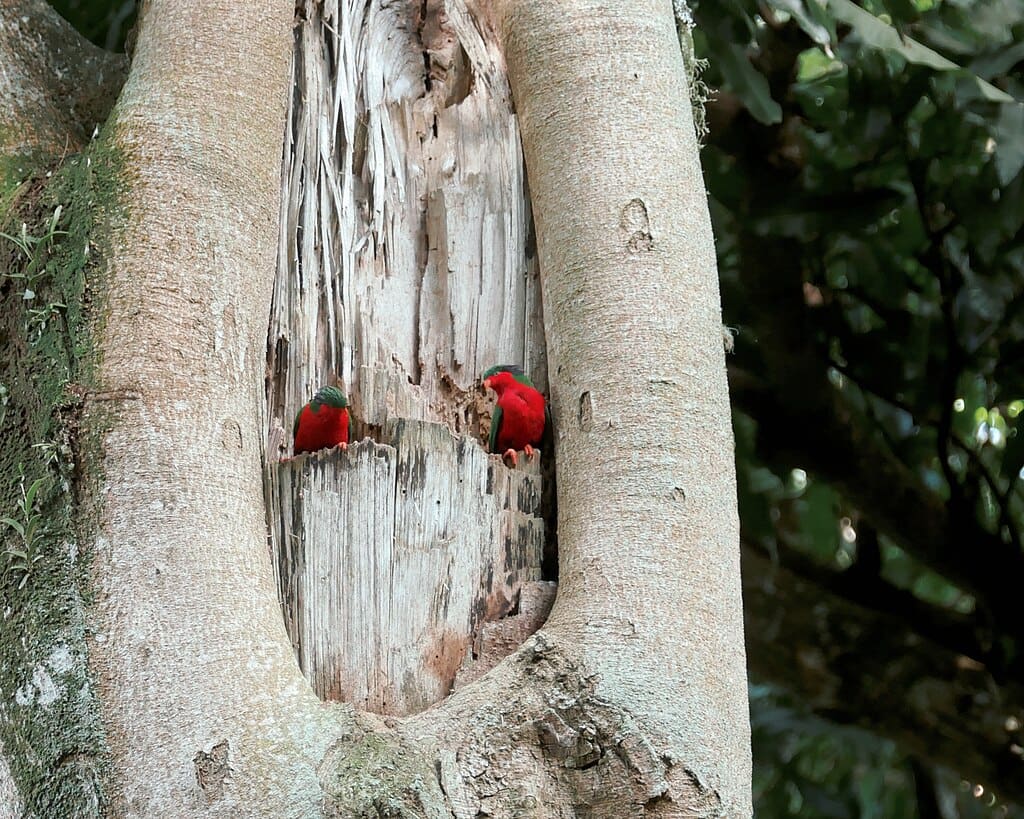
January-April. Nest is in tree cavity, usually a palm.

Related Links:

Join Our Flock

FlockTalk our monthly newsletter for parrot people everywhere:

+ News from the world of parrots

+ Updates on wild parrot projects

+ Inspiring updates from partners

+ Real stories from the parrot flock

+ Plus, expert tips for caring for your feathered friends at home.


Stay In The Loop, Sign Up Now.

FlockTalk: our monthly newsletter for parrot people everywhere:

Parrot news. Conservation wins. Pet care tips. All in one monthly email.

We do not sell or share your information with anyone.