LEARN

Lilac-crowned Amazon

( Amazona finschi )

Also known as:
Lilac-crowned Parrot, Finsch's Parrot, Pacific Parrot, Wood's Red-fronted Parrot (A.f. woodi)

Also known as:
Lilac-crowned Parrot, Finsch's Parrot, Pacific Parrot, Wood's Red-fronted Parrot (A.f. woodi)

Geography:

DID YOU KNOW?

The Lilac-crowned Amazon exists in feral (non-native) populations in southern California and Florida.

<p><em>Amazona</em></p>
Genus:

Amazona

<p><em>finschi</em></p>
Species:

finschi

Size:

33 cm (12.8 in)

Weight:

325 g (11.3 oz)

Subspecies including nominate:

two: A.f. finschi, A.f. woodi

Colour Adult:

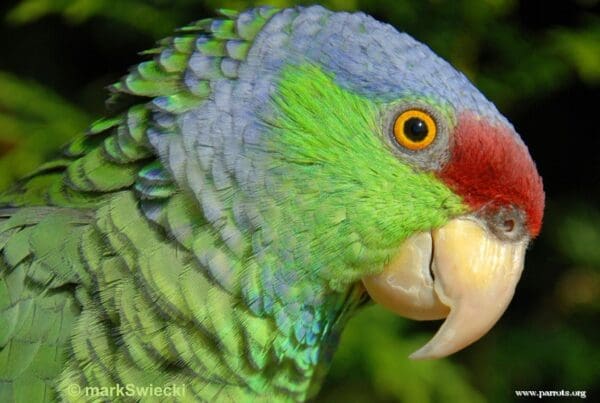
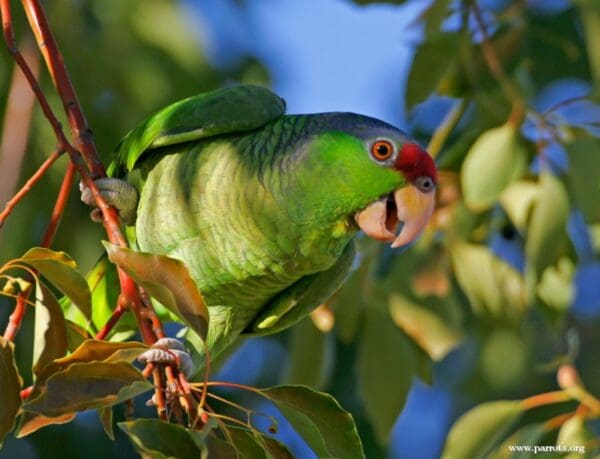
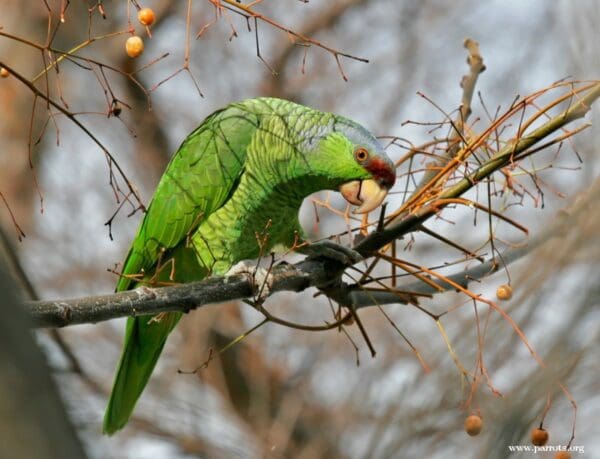
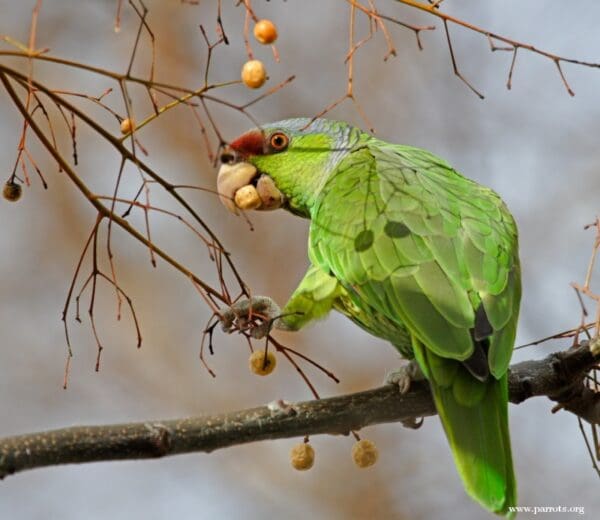
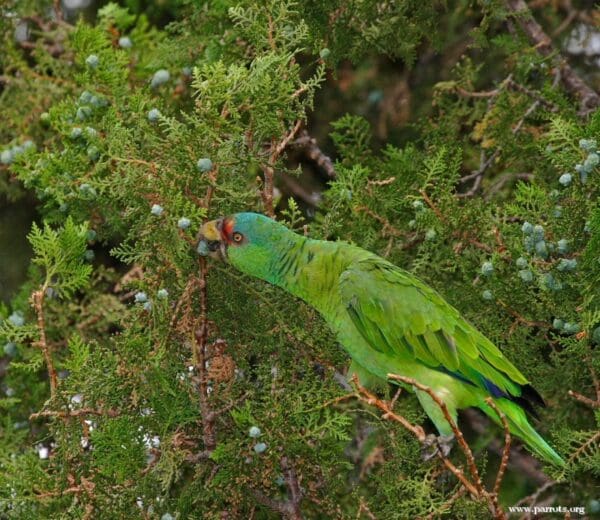
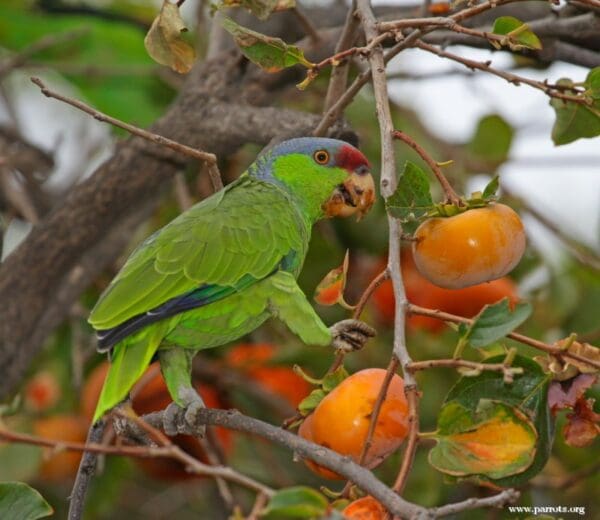
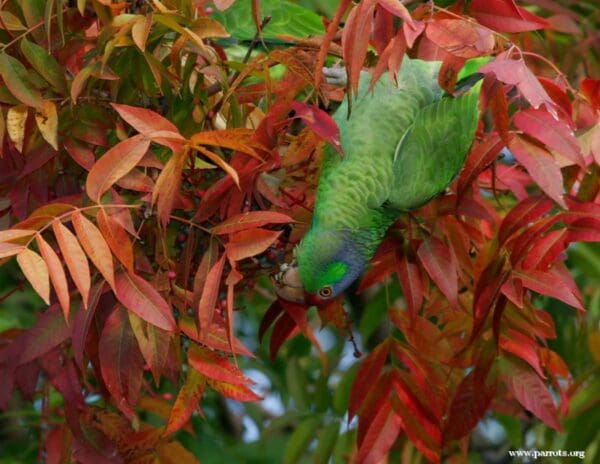
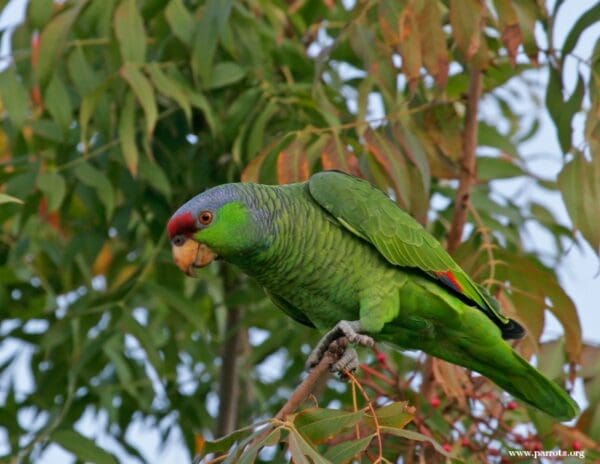
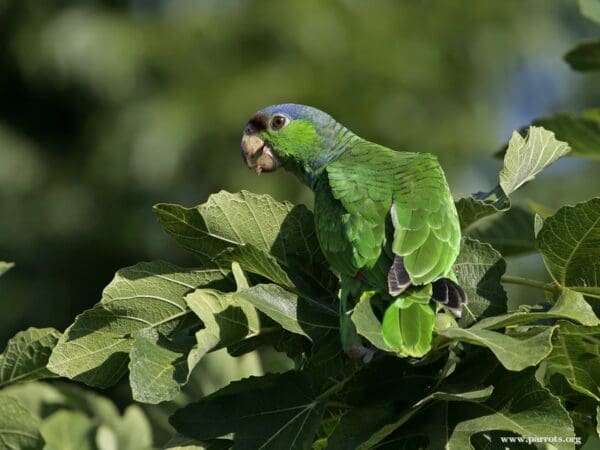
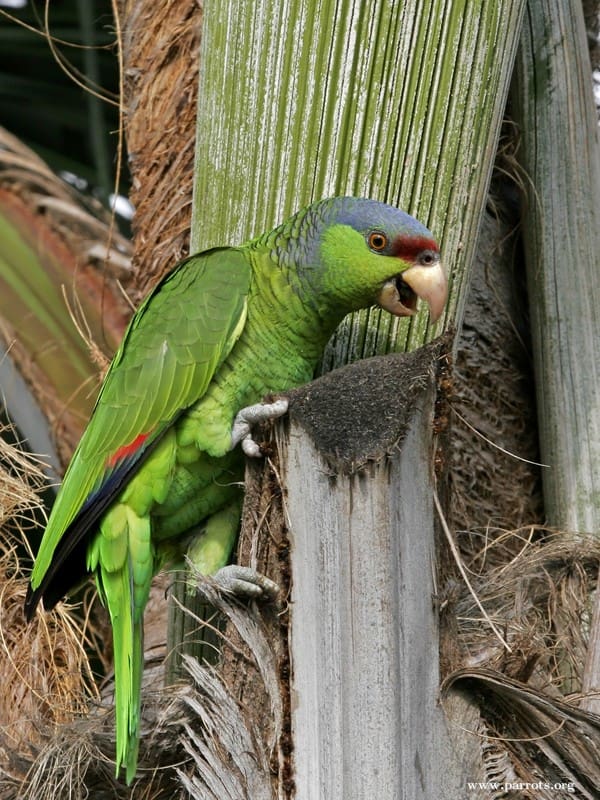
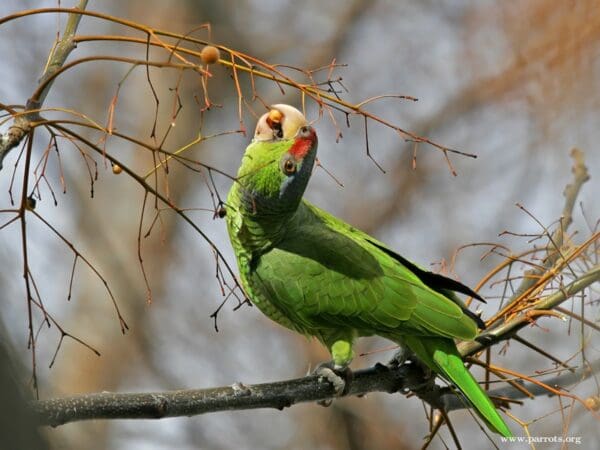
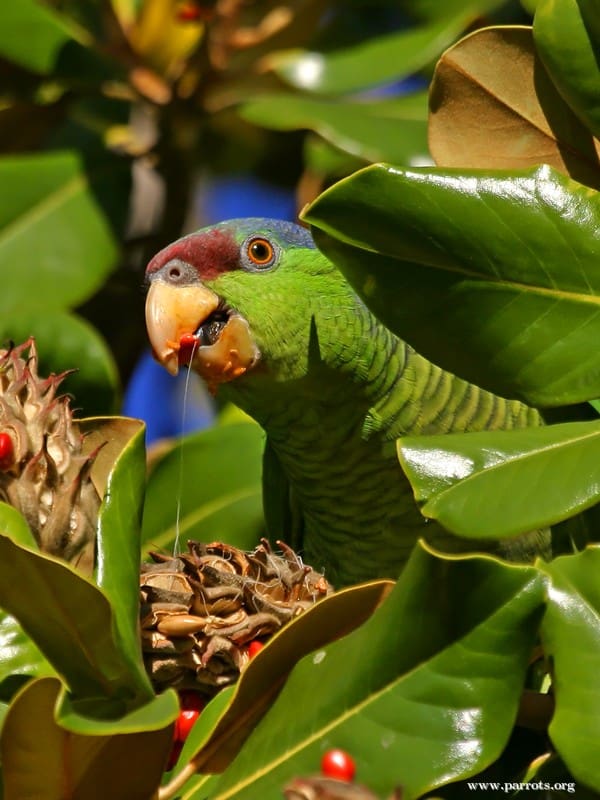
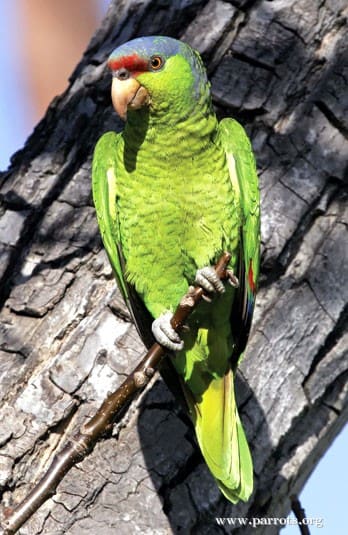
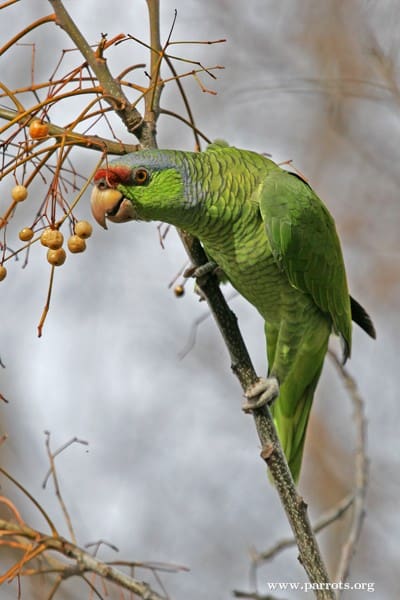
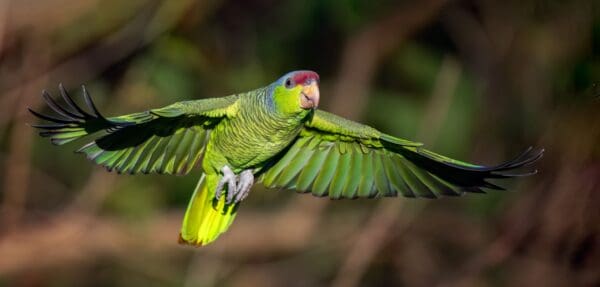
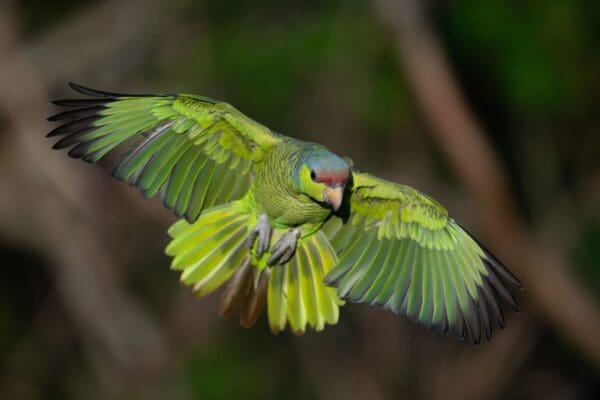
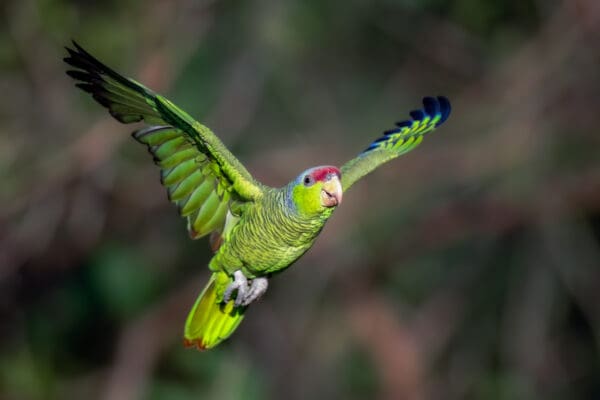
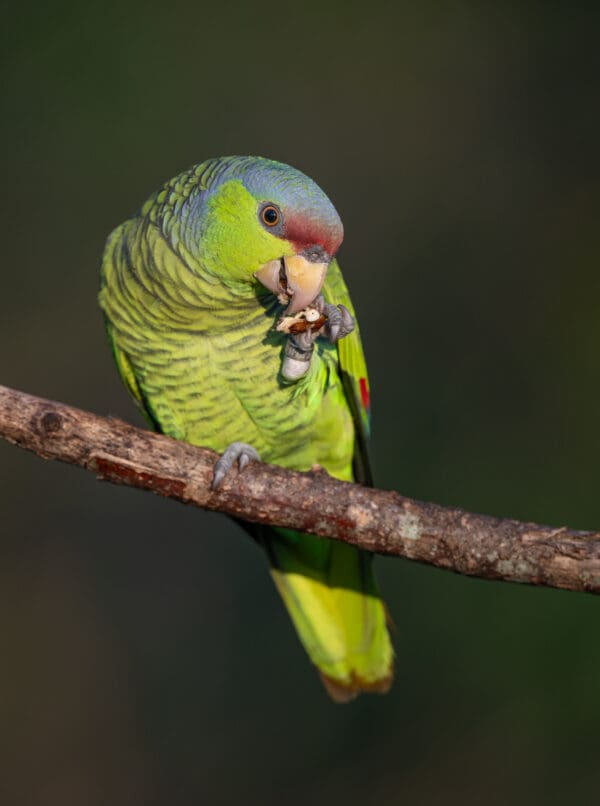
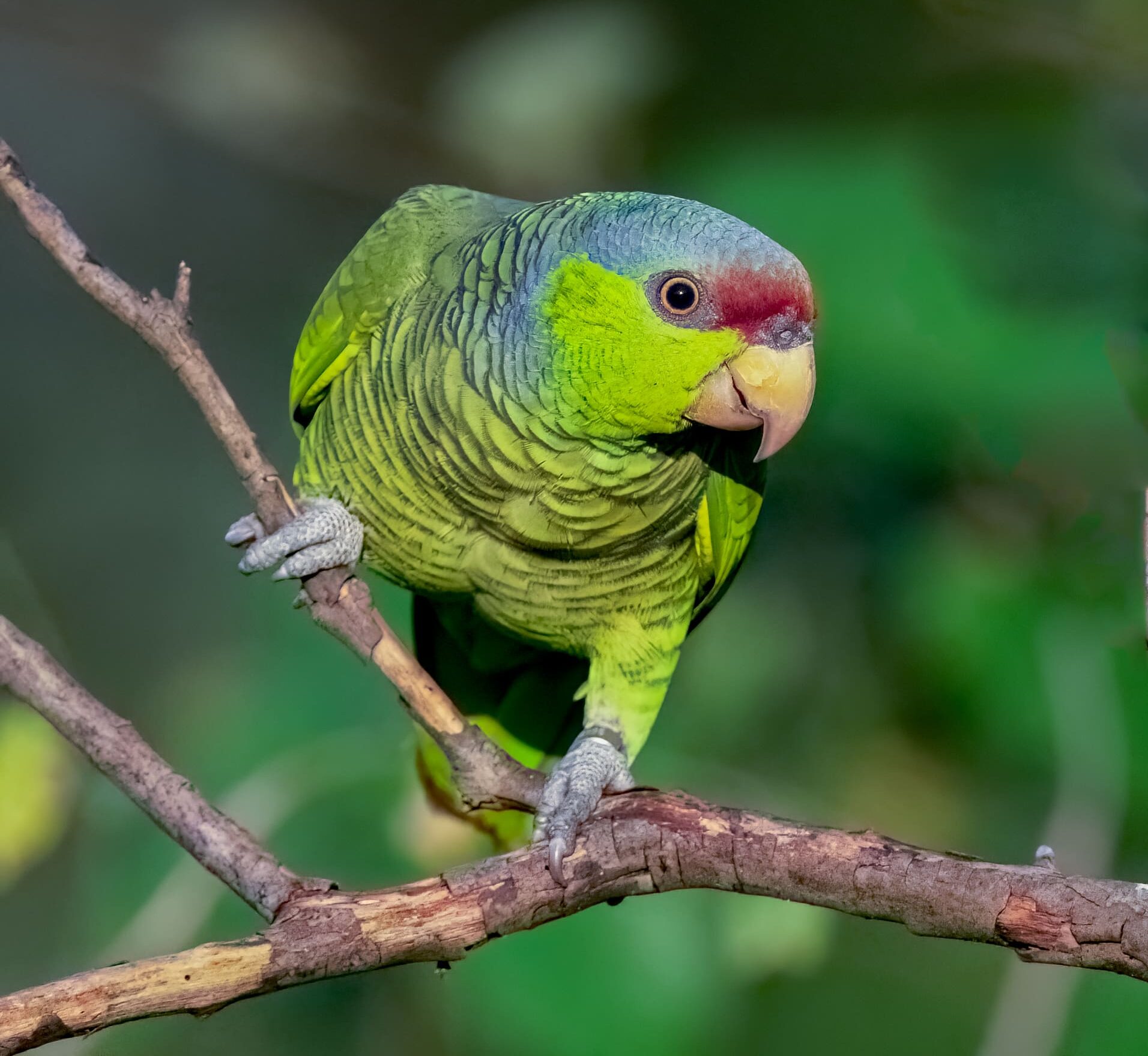
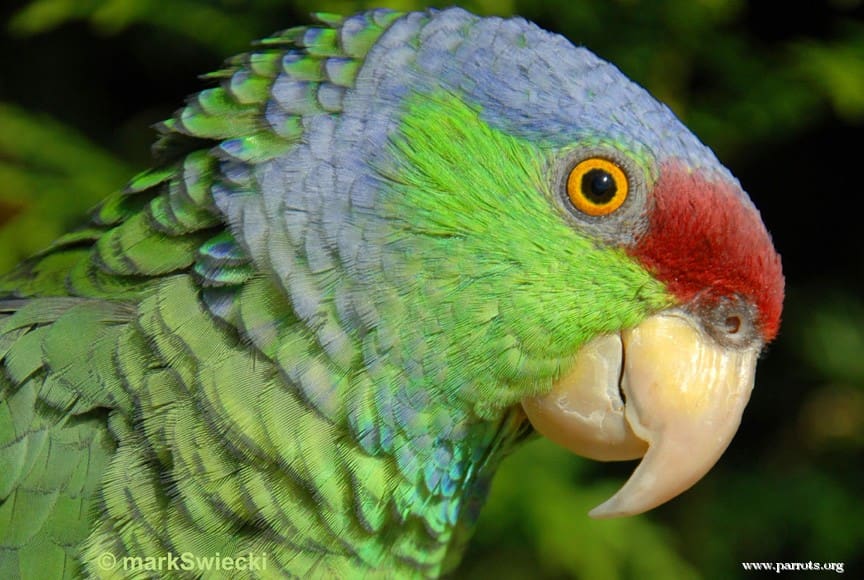
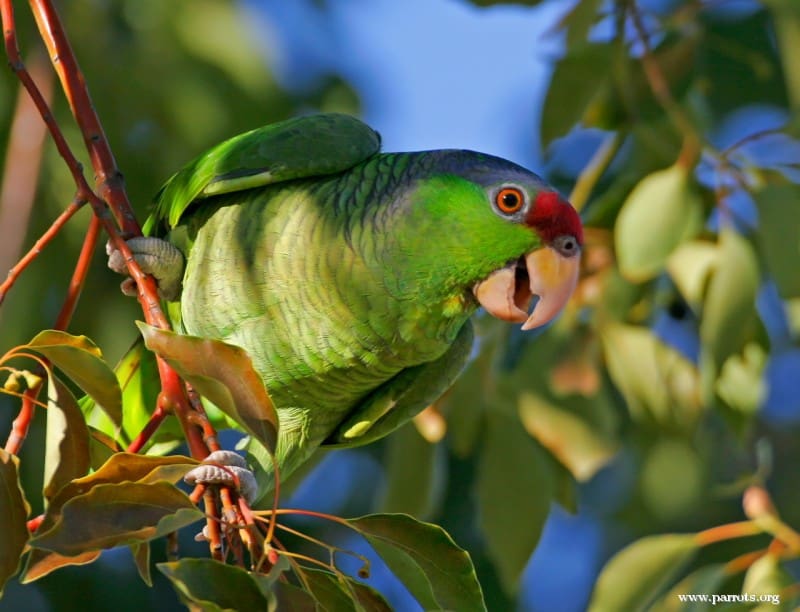
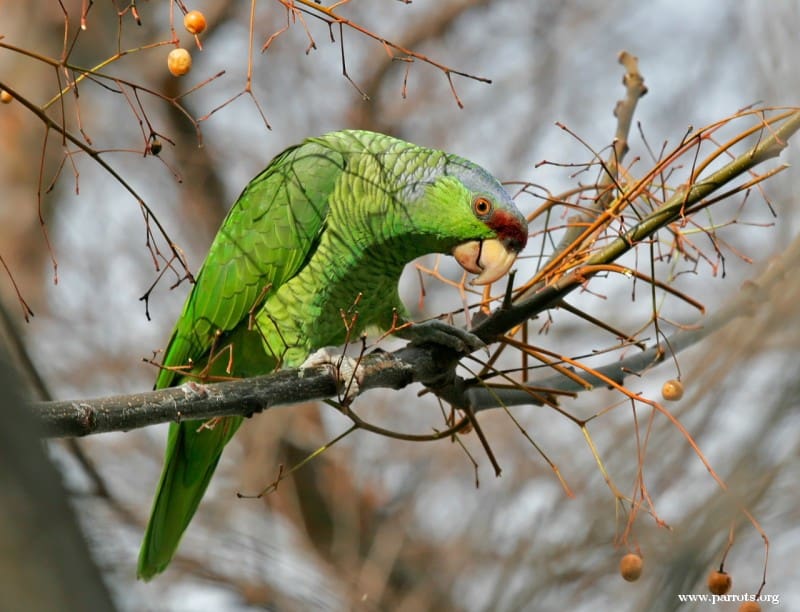
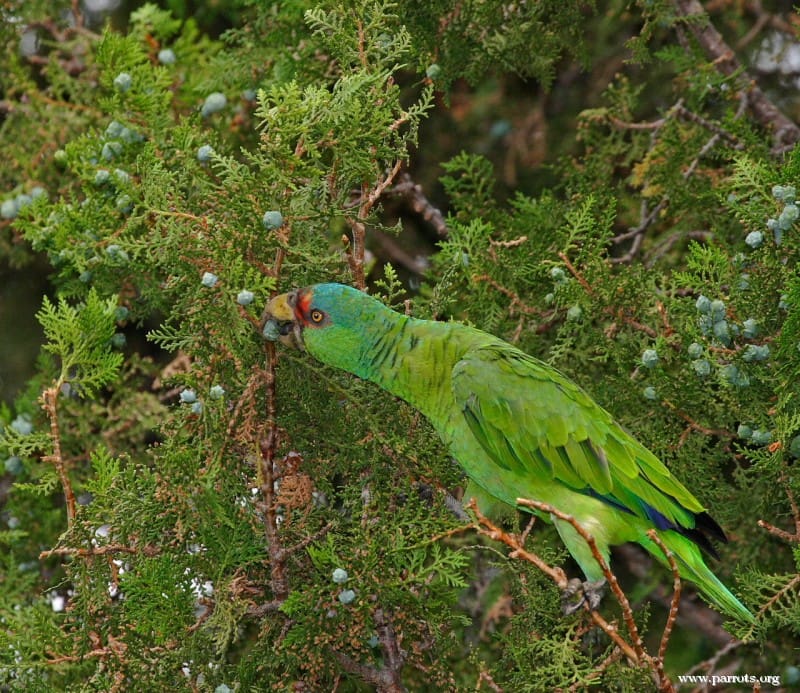
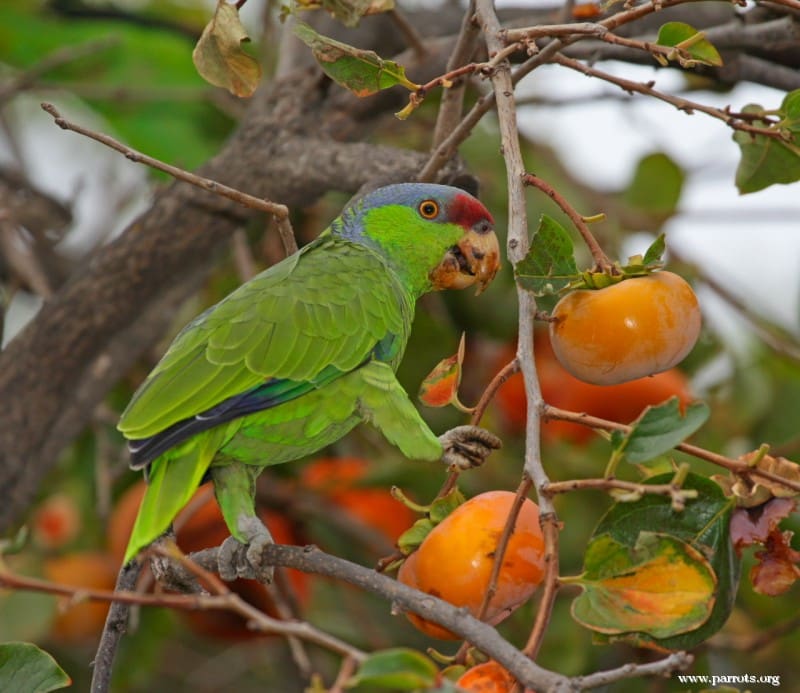
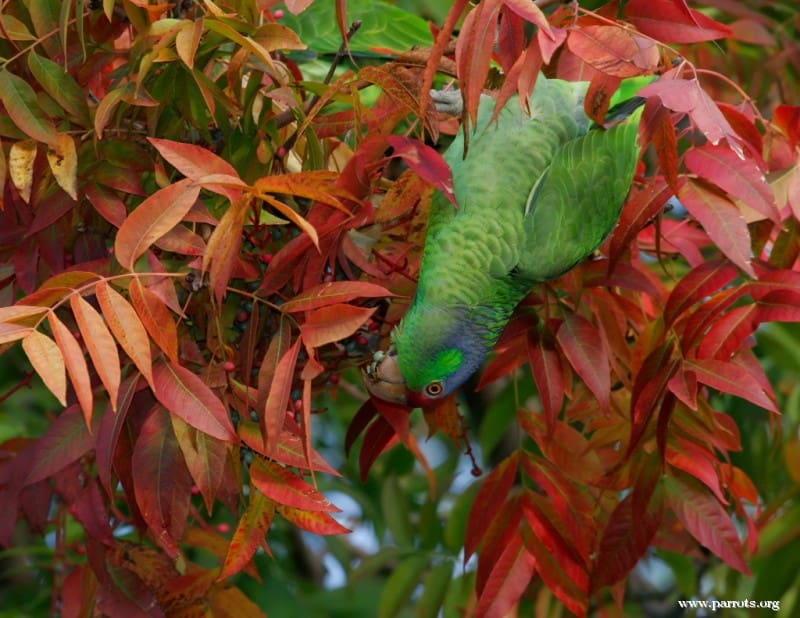
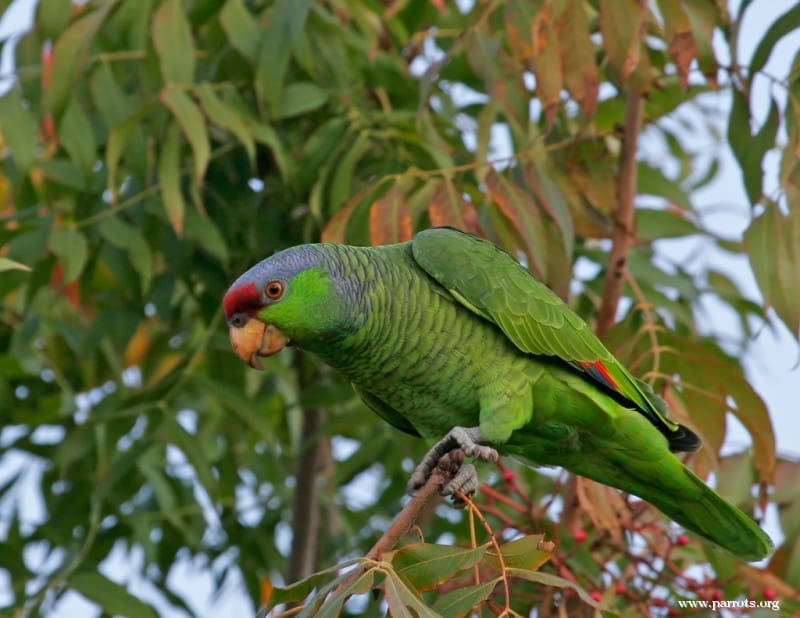
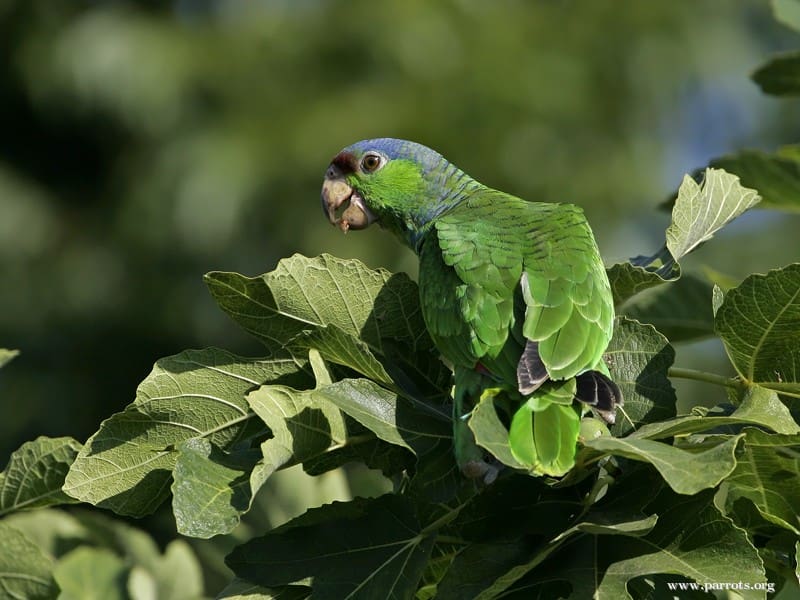
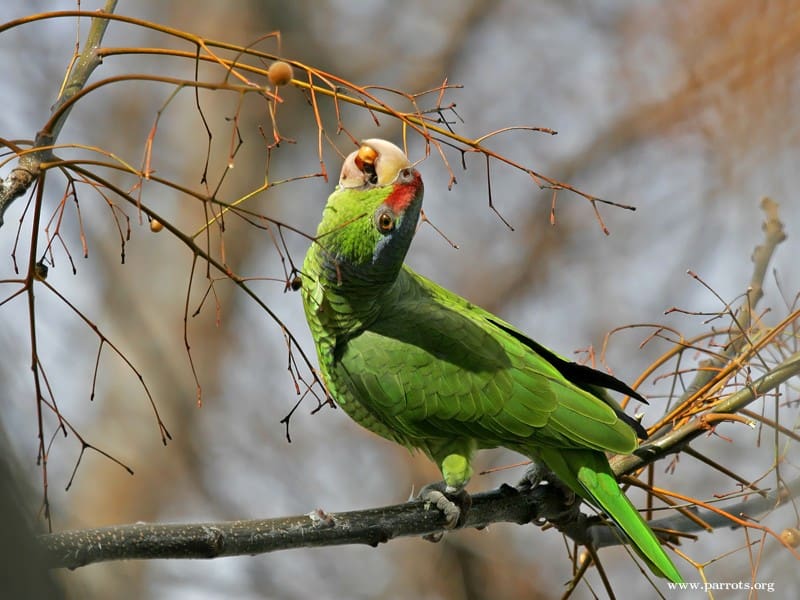
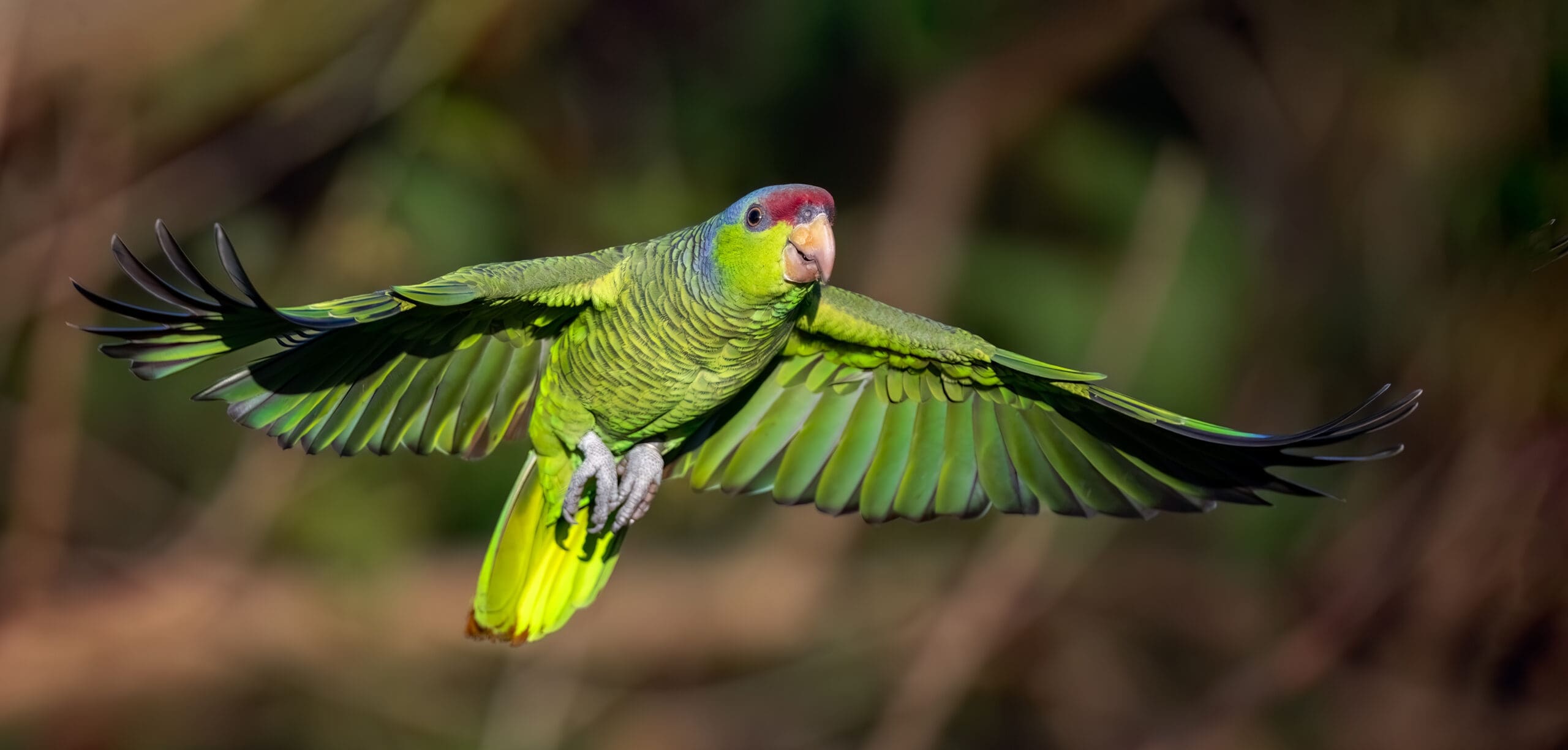
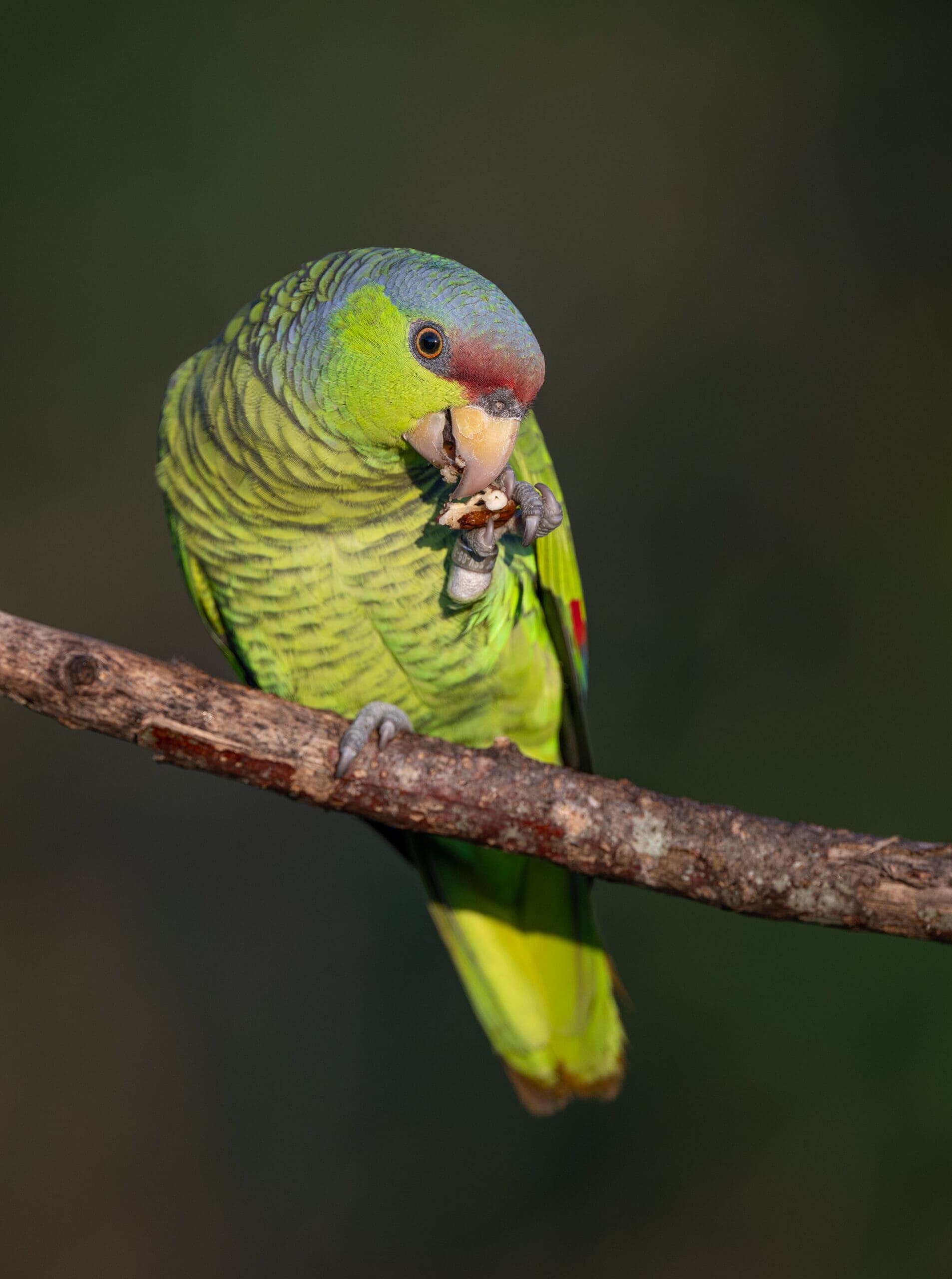
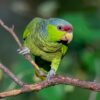
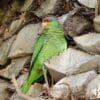
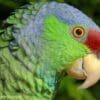
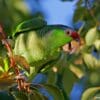
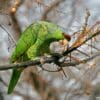
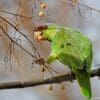
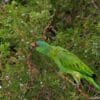
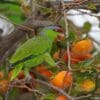
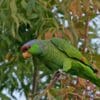
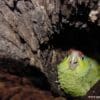
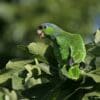
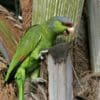
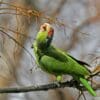
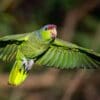
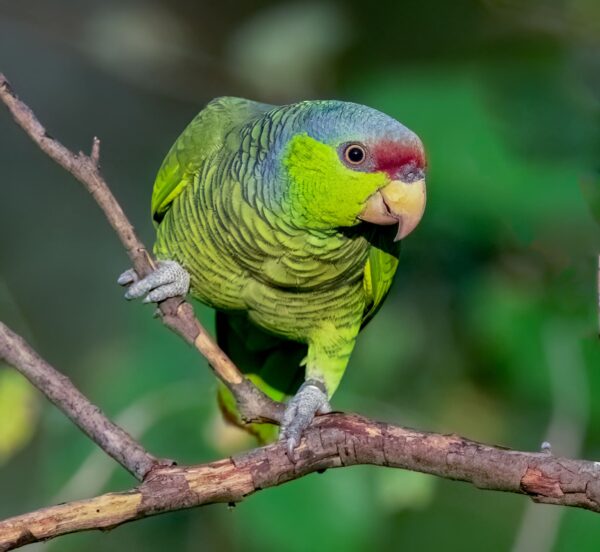
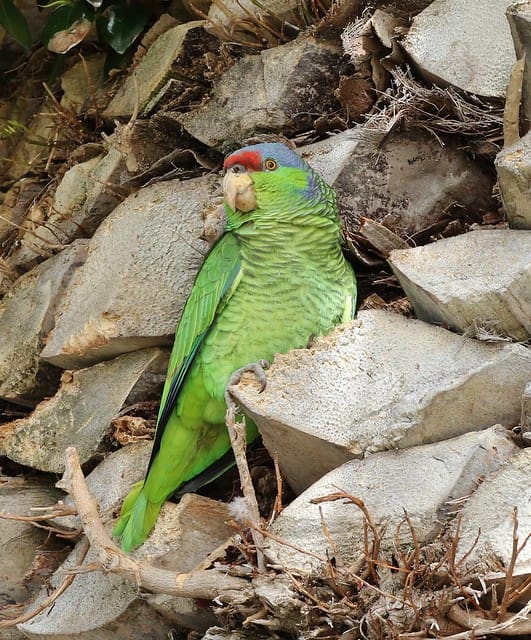
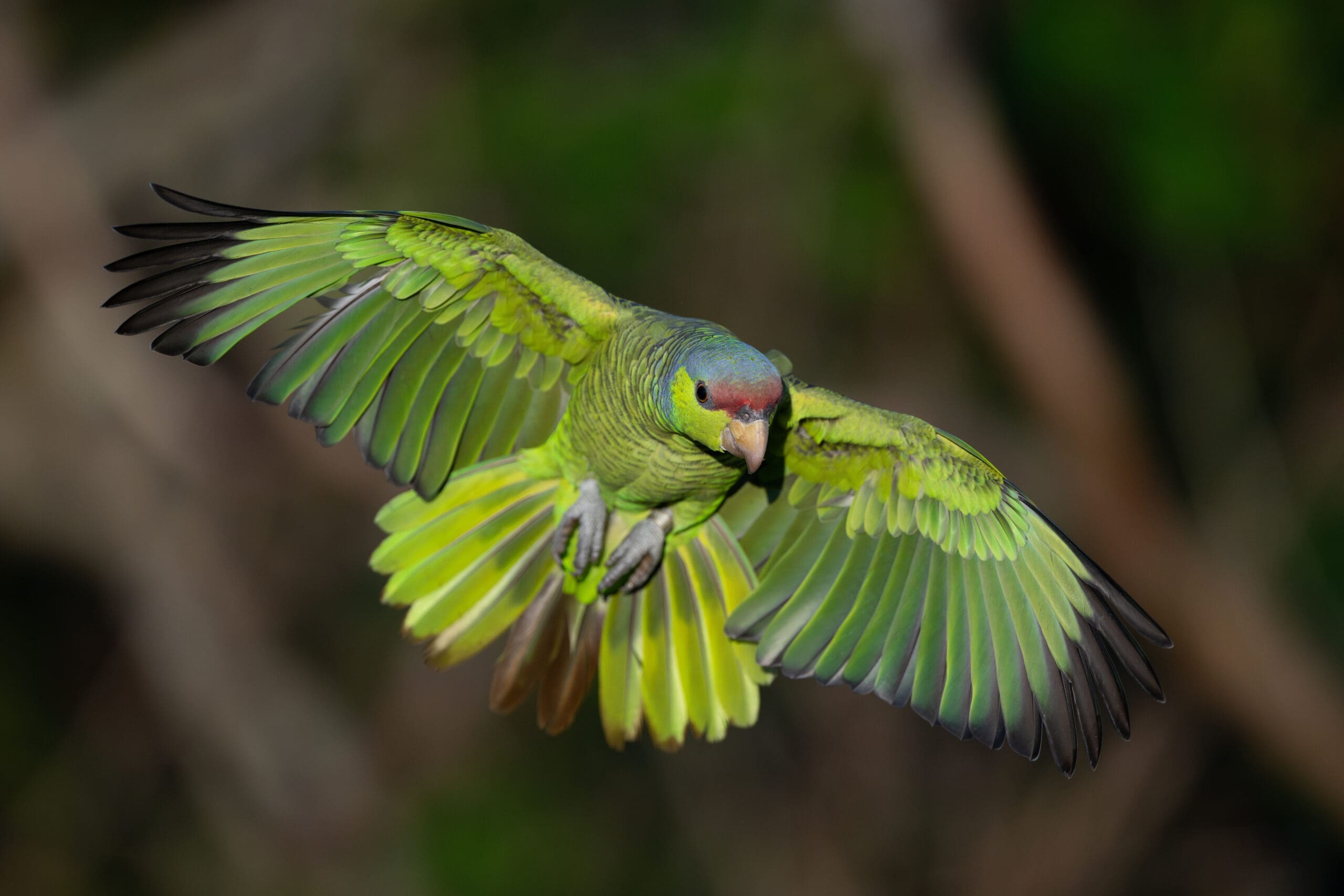
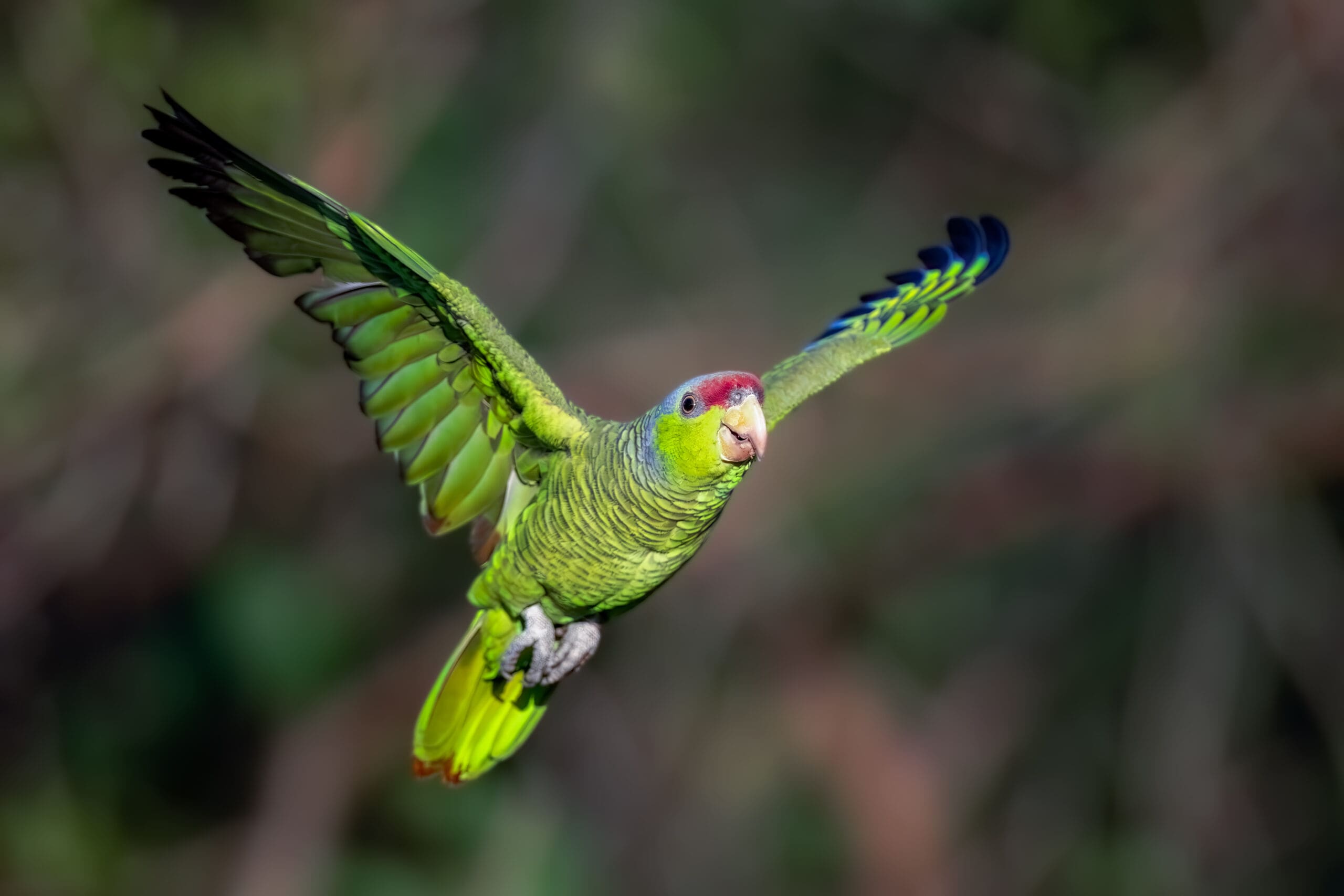
A.f. finschi: Both adults body green, with feathers edged black; maroon forehead, forecrown and lores; back of crown to sides of nape and neck blue/lilac; bases of secondary feathers 1-5 red, the remainder green; tail green. Beak horn-coloured. Eye ring pale grey, eye orange.
A.f. woodi: Both adults greener and less yellowish; frontal band thinner and duller.

Colour Juvenile:

Immature as in adult but duller with dark brown eye and white eye-ring and cere.

Call:

A shrill krih-krih and other raucous calls.

Xeno-canto Wildlife Sounds – Lilac-crowned Amazon

Content Sources:

CITES
Avibase
BirdLife International
Cornell Lab of Ornithology/Birds of the World
A Guide to Parrots of the World, Juniper and Parr, 1998
Parrots of the World, Forshaw and Cooper, 1989. 2010 edition
Vanished and Vanishing Parrots, Forshaw, 2017.
Parrots of the World, Forshaw, 2006.
Parrots in Aviculture, Low, 1992.
Psittacine Aviculture, Schubot, Clubb and Clubb, 1992.
Avian Pediatric Seminar Proceedings, various authors, 1988.

Captive Status:

Common in US, fairly common in Europe.

Longevity:

40-60 yrs

Housing:

Aviary or suspended cage with a minimum length 3 m (9.8 ft).

Diet:

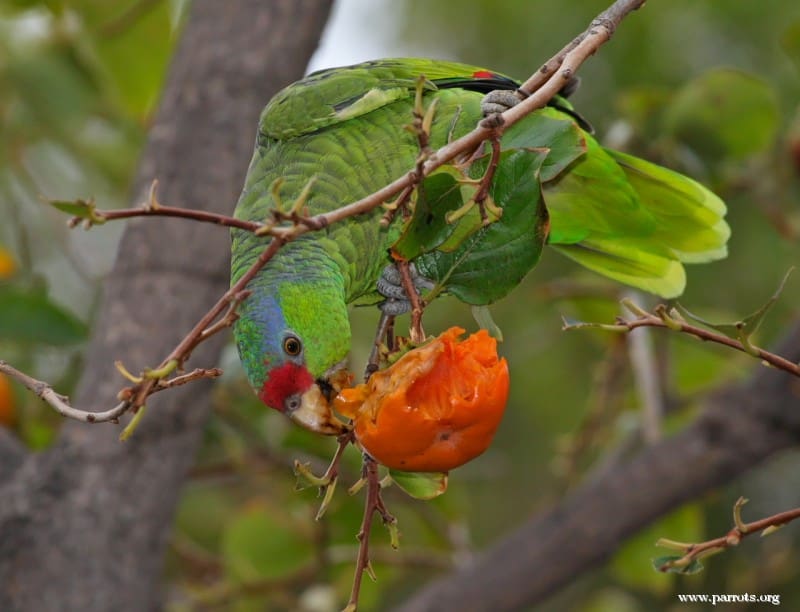
Fruit such as: apple, pear, orange, banana, cactus fruits, pomegranate, forming about 30 % of the diet; fresh vegetables such as: carrot, celery, green peas, beans, fresh corn; green leaves such as: Swiss chard, lettuce, sowthistle, dandelion, chickweed; spray millet and limited mixed seed, cooked beans and pulses, complete kibble.
Enrichment:

Loves to chew; bathing; foot toys, destructible (non-toxic) toys, non-destructible (non-toxic plastic) toys, food-finder toys, preening toys, different texture and size hanging perch toys, fir branches, push-and-pull toys (sliding up and down), vegetable tanned leather toys.

Nest Box Size:

Vertical box, 12″ x 12″ x 24″ (30.5 cm x 30.5 cm x 61 cm).

Clutch Size:

3

Fledging Age:

54-60 days

Hatch Weight:

Peak Weight:

Weaning Weight:

World Population:

4700-6700 mature individuals, rapidly decreasing.

IUCN Red List Status:
Endangered

CITES Listing:
Appendix I

Threat Summary:

Large-scale habitat loss and trapping have put the population in a very rapid decline. In Mexico and the US, it is one of the most confiscated parrots and has become one of the parrot species most illegally sold on the internet. Based on a study in 2012, the current distribution of this species along the Pacific coast of Mexico showed a 72.6% reduction from its estimated original distribution.
Range:

A.f. finschi: Central-western and southwest Mexico; feral populations reported in various areas in the US.
A.f. woodi: Northwestern Mexico.

Habitat:

Most common in wooded hills and mountains up to 1000 m (3280 ft). Also found in deciduous and semi-deciduous forests and margins along the Pacific coast, and pine-oak forests and mangroves.

Wild Diet:

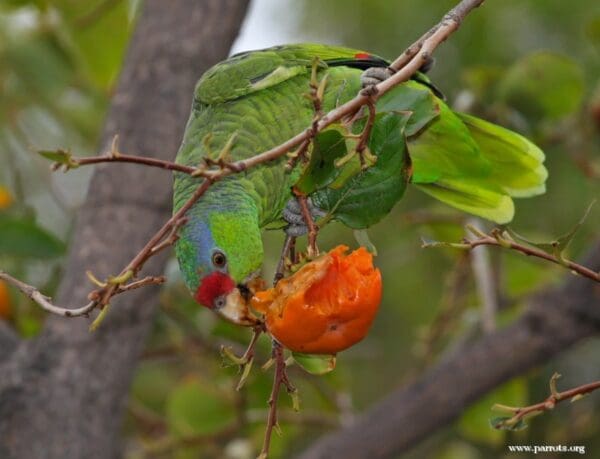
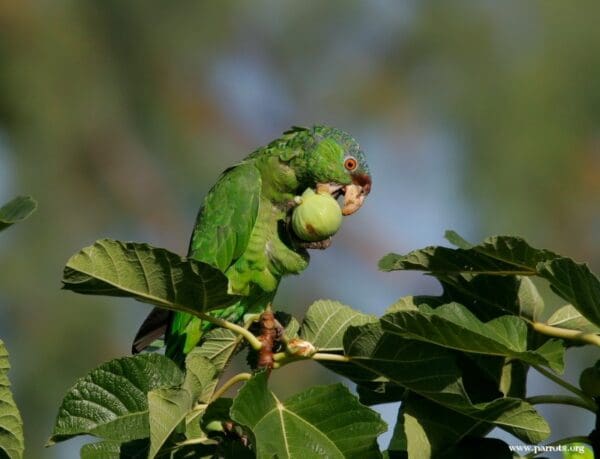
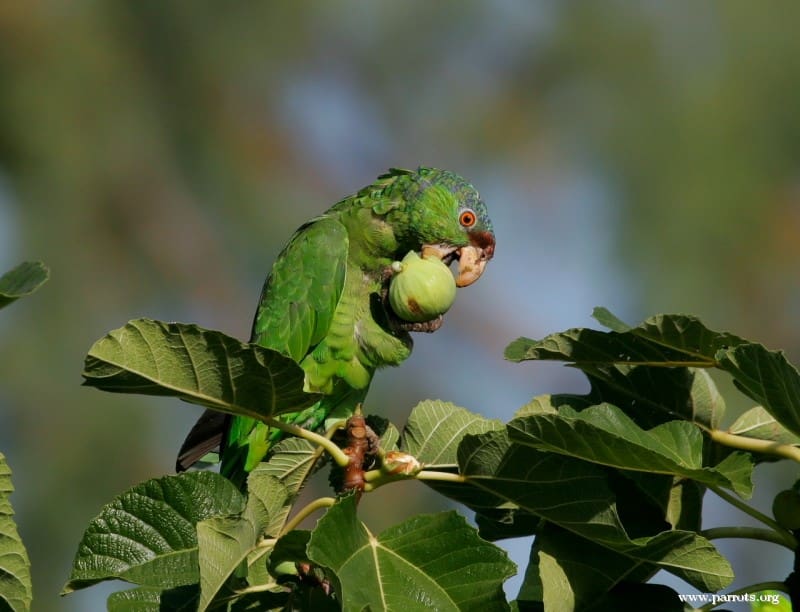
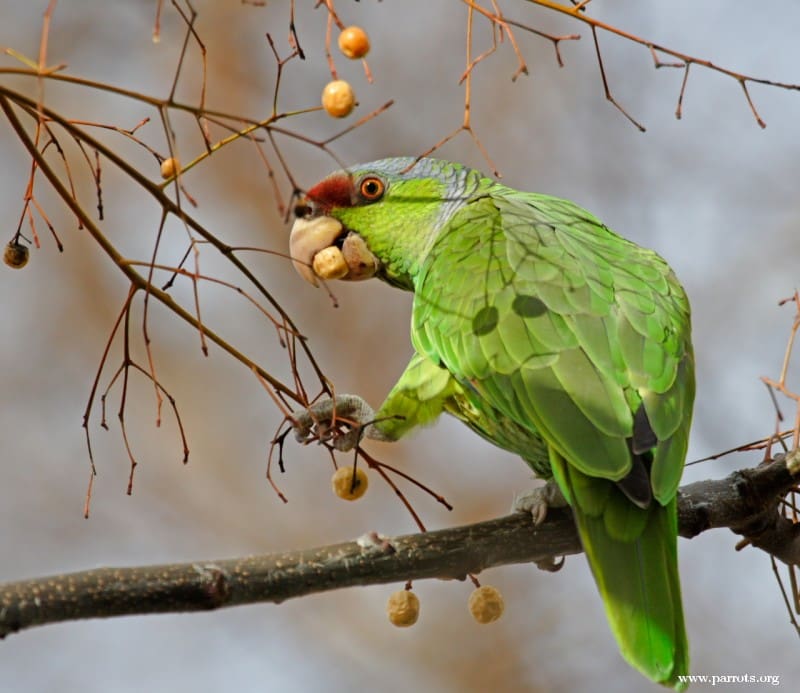
Foods taken comprise seeds (82% of diet) and fruits (9%) from 33 species of trees; also consumes the larvae of galls on the leaves of Astronium graveolens, and occasionally bromeliad stalks. In the dry season, the most important items are seeds of Astronium graveolens, Brosimum alicastrum, Piranhea mexicana, Comocladia engleriana and fruits of Ficus insipida. In the rainy season, the predominant items are seeds of Caesalpinia pulcherrima, Eisenbeckia nesiotica, Jatropha spp. and fruits of Sciadodendron excelsum.

Ecology and Behaviour:

Reports of altitudinal and longitudinal movements in response to food availability. Usually seen in pairs and family groups year-round, and all together in large foraging flocks. Birds return to communal roosts at night.

Clutch and Egg Size:

3 rounded eggs, 37.0 x 29.0 mm (1.4 x 1.1 in).

Breeding Season:

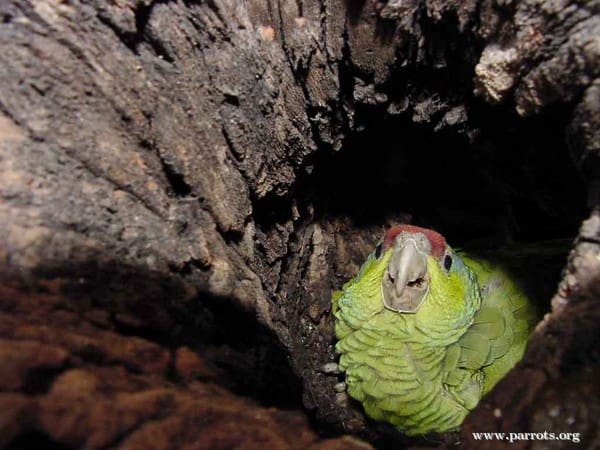
February-June; nests are in natural cavities in trees such as Astronium graveolens, Piranhea mexicana, Brosimum alicastrum, and Tabebuia spp.

Join Our Flock

FlockTalk our monthly newsletter for parrot people everywhere:

+ News from the world of parrots

+ Updates on wild parrot projects

+ Inspiring updates from partners

+ Real stories from the parrot flock

+ Plus, expert tips for caring for your feathered friends at home.


Stay In The Loop, Sign Up Now.

FlockTalk: our monthly newsletter for parrot people everywhere:

Parrot news. Conservation wins. Pet care tips. All in one monthly email.

We do not sell or share your information with anyone.