Also known as:
Black-headed Conure or Parakeet, Black-masked Conure
Also known as:
Black-headed Conure or Parakeet, Black-masked Conure
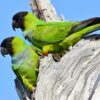
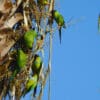
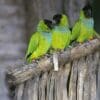
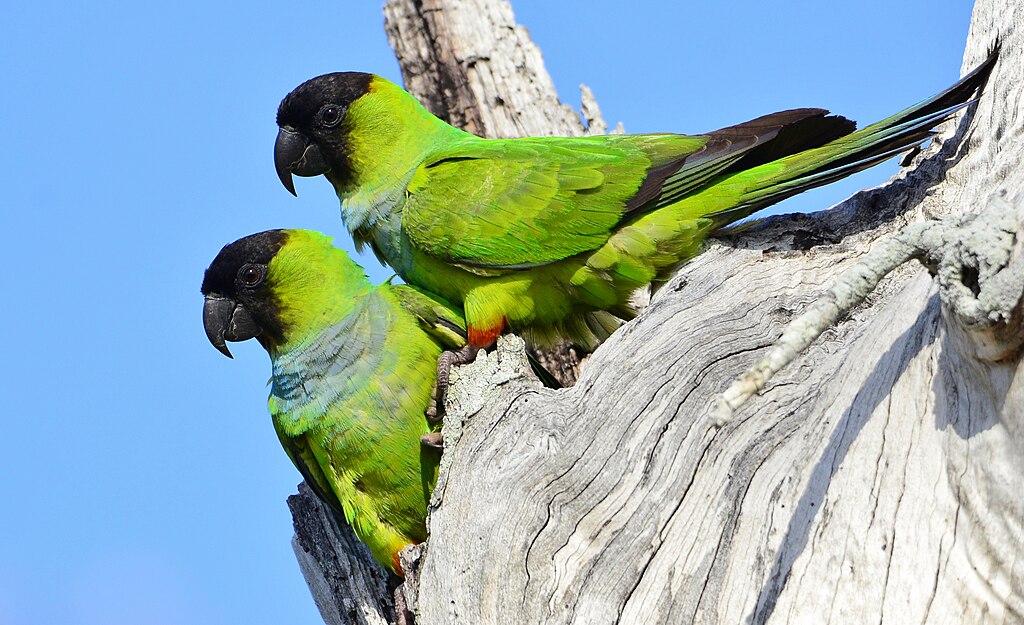
![© Gareth Rasberry [CC BY-SA 4.0] via Wikimedia Commons Wild Nanday Conures perch on a tree snag](https://foowd.com/wp-content/uploads/1990/08/Nanday-Conure-Gareth-Raspberry-100x100.jpg)
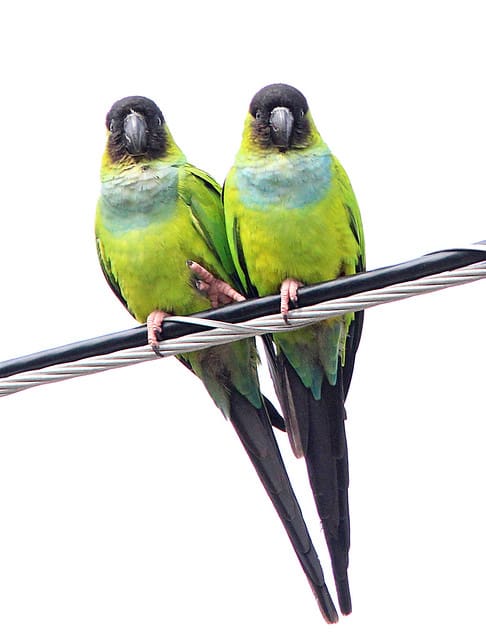
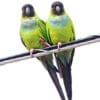
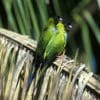
![© Alan Schmierer [Public Domain] via Flickr Wild Nanday Conures perch on a wire](https://foowd.com/wp-content/uploads/2023/01/wpt_Nanday-Conure_1328-20-100x100.jpg)
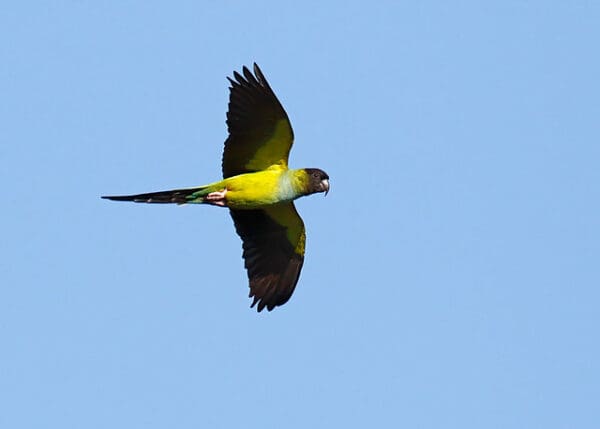
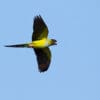
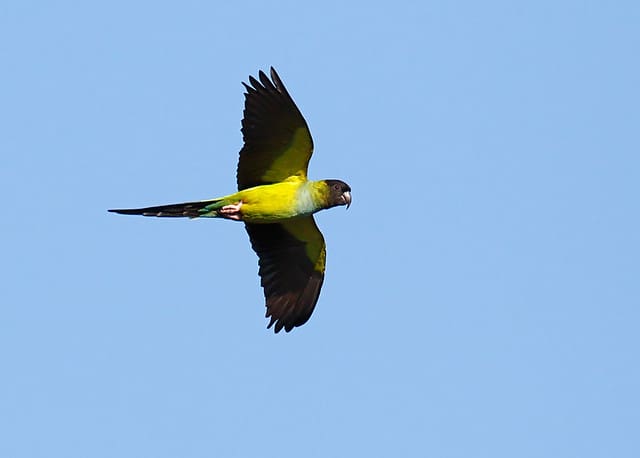
![© Julio Mulero [CC BY-SA 2.0] via Flickr A feral Nanday Conure takes flight](https://foowd.com/wp-content/uploads/2023/01/wpt_Nanday-Conure_1328-19-100x100.jpg)
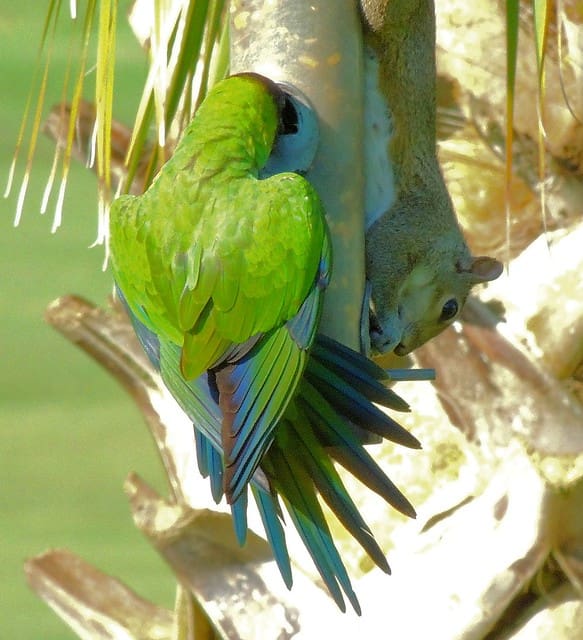
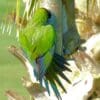
![© Jim Mallhaupt [CC BY-SA 2.0] via Flickr A wild Nanday Conure and a Grey Squirrel interact](https://foowd.com/wp-content/uploads/2023/01/wpt_Nanday-Conure_1328-18-100x100.jpg)
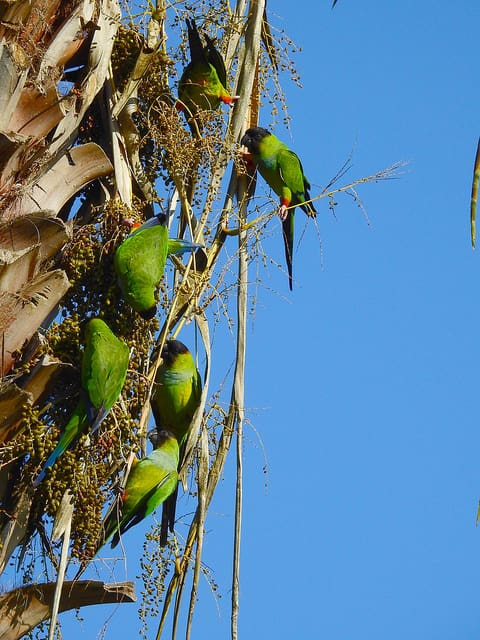
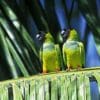
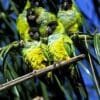
![© Jim Mallhaupt [CC BY-SA 2.0] via Flickr Wild Nanday Conures perch in a tree](https://foowd.com/wp-content/uploads/2023/01/wpt_Nanday-Conure_1328-17-100x100.jpg)
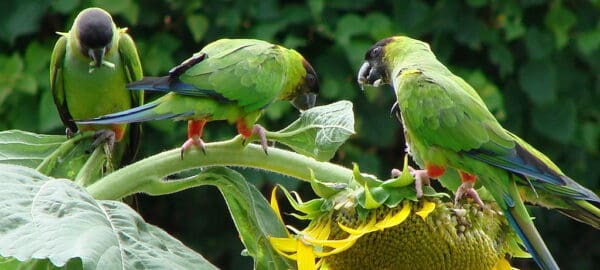
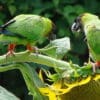
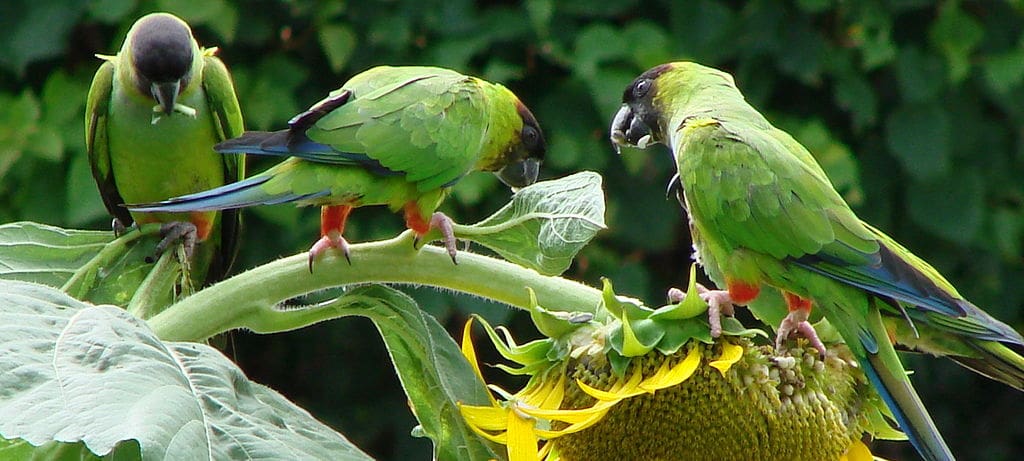
![© Apix (Picasa Web Albums) [CC BY-SA 3.0] via Wikimedia Commons Feral Nanday Conures feed on sunflower seeds](https://foowd.com/wp-content/uploads/2023/01/wpt_Nanday-Conure_1328-12-100x100.jpg)
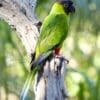
![© Bernard DUPONT [CC BY-SA 2.0] via Wikimedia Commons A wild Nanday Conure perches on a branch](https://foowd.com/wp-content/uploads/2023/01/wpt_Nanday-Conure_1328-11-100x100.jpg)


There is a feral (non-native) population of Nanday Conures in Florida that numbers in the hundreds of birds.

Aratinga

nenday
Size:
30 cm (11.7 in)
Weight:
140 g (5 oz)
Subspecies including nominate:
one
Colour Adult:
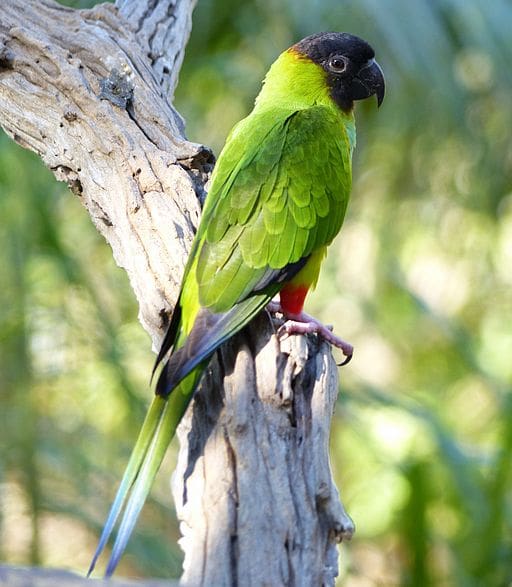
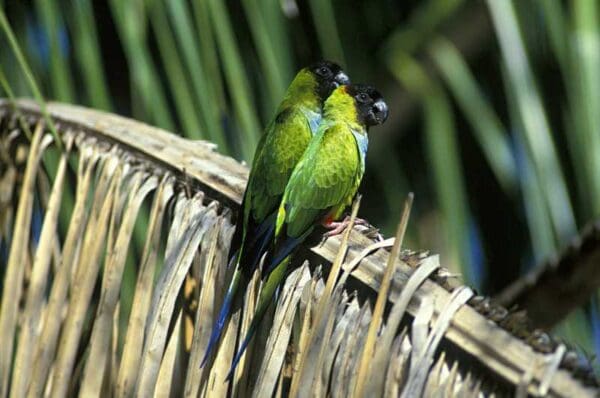
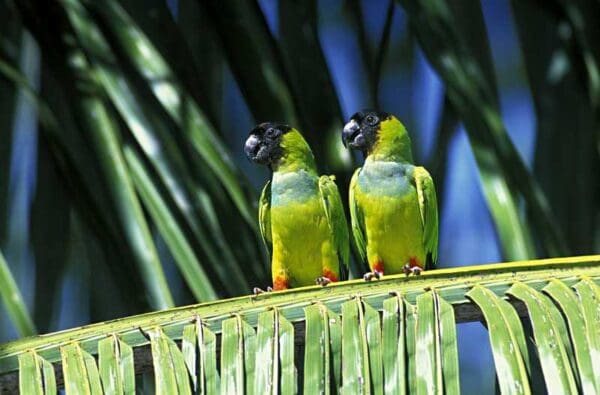
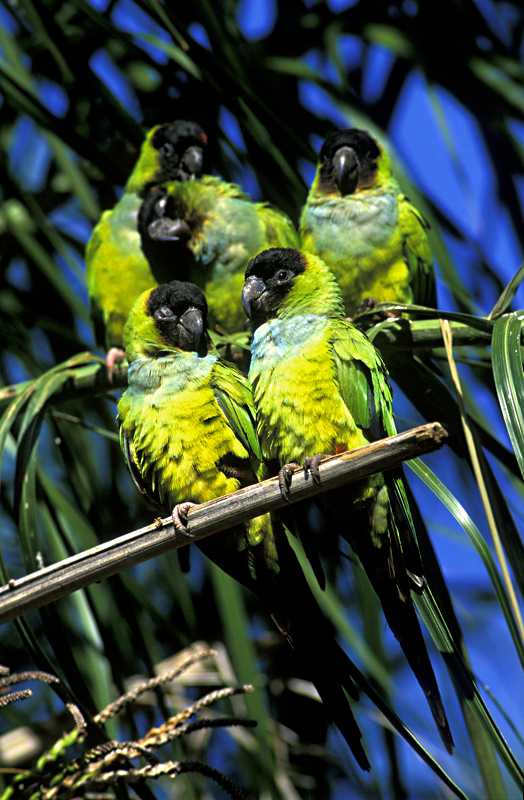
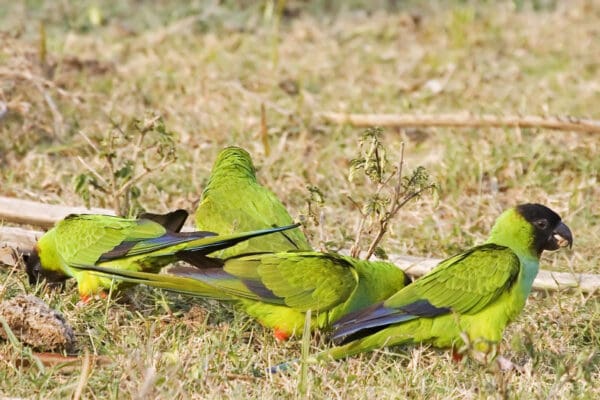
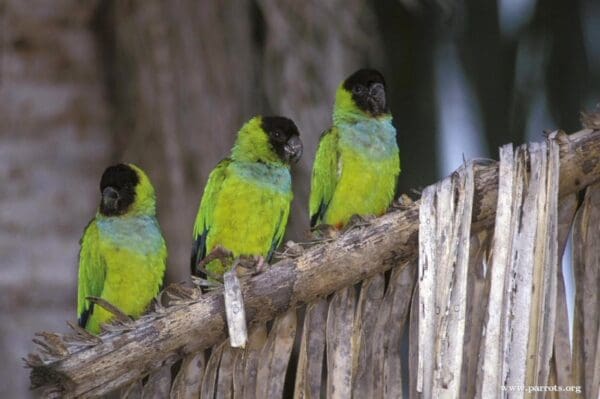
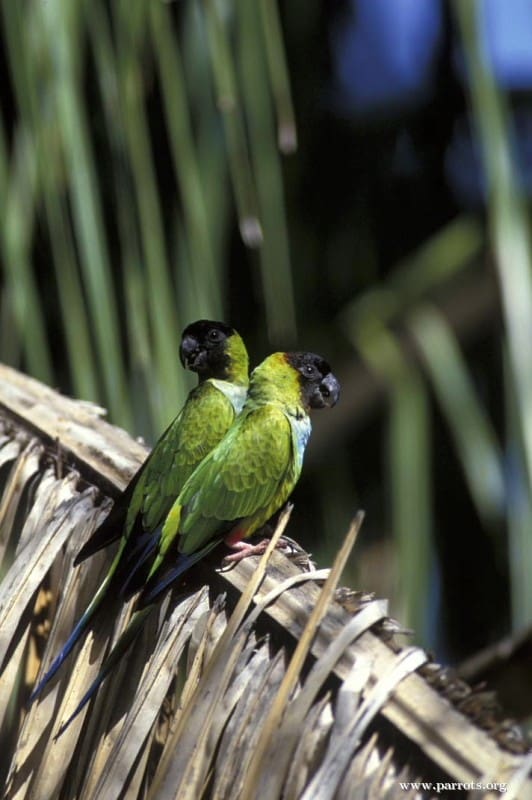
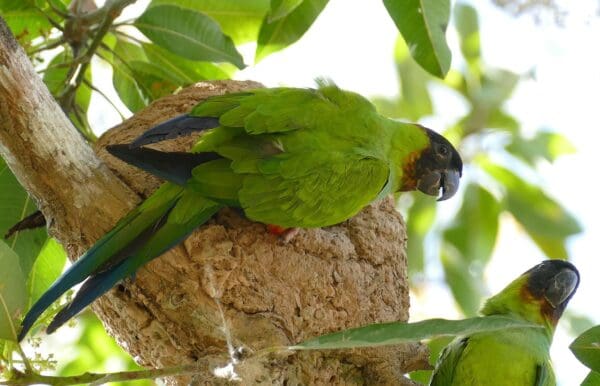
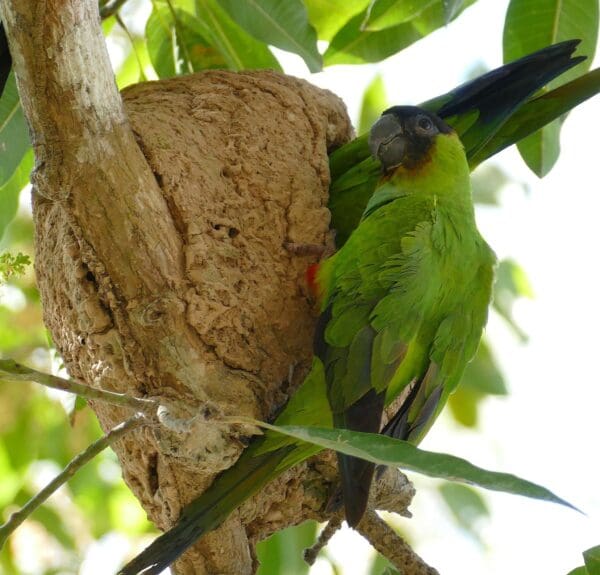
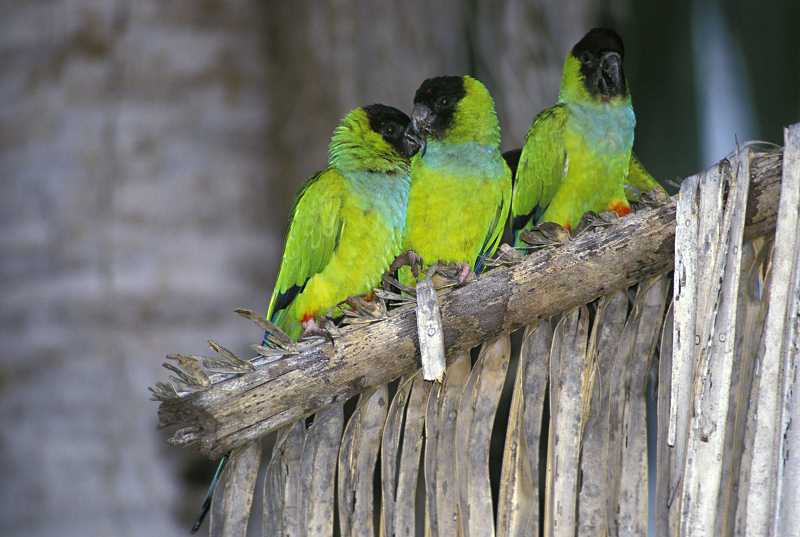
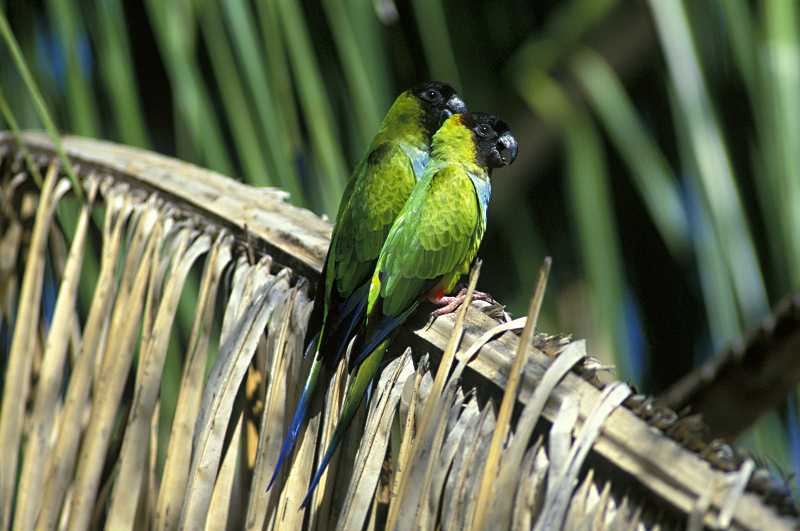
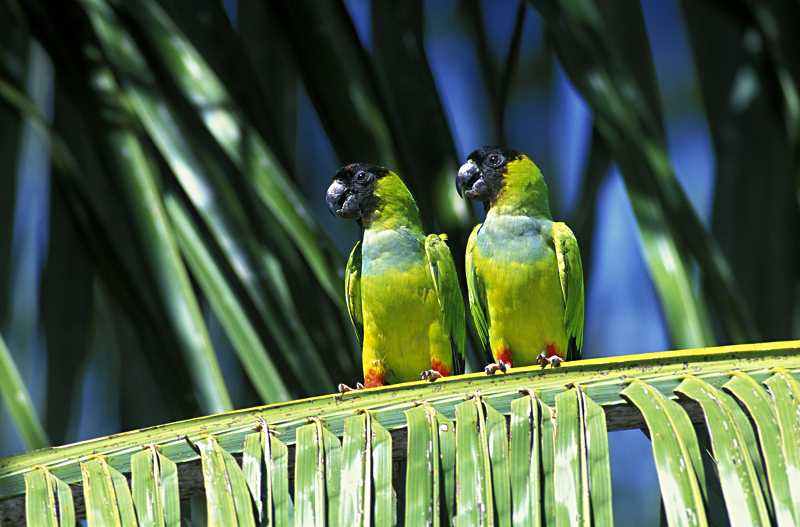
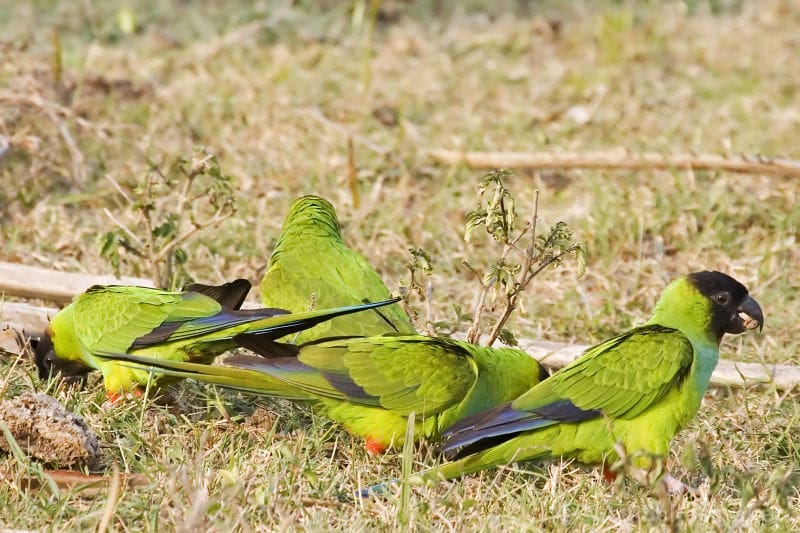
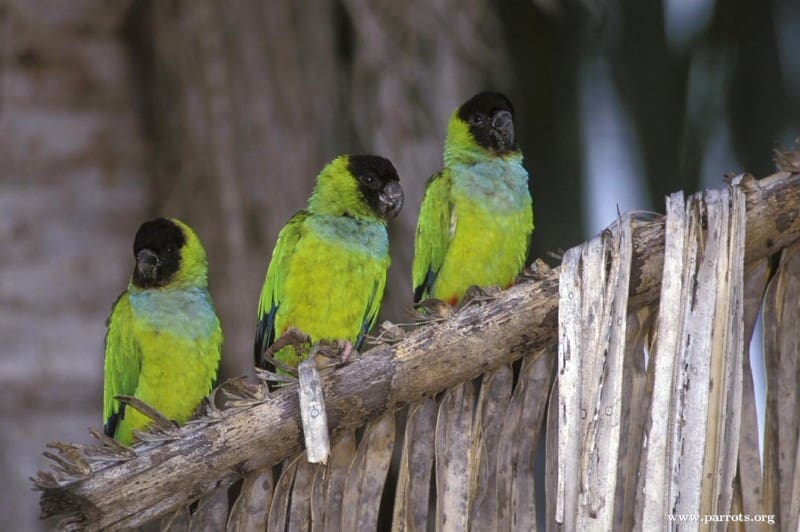
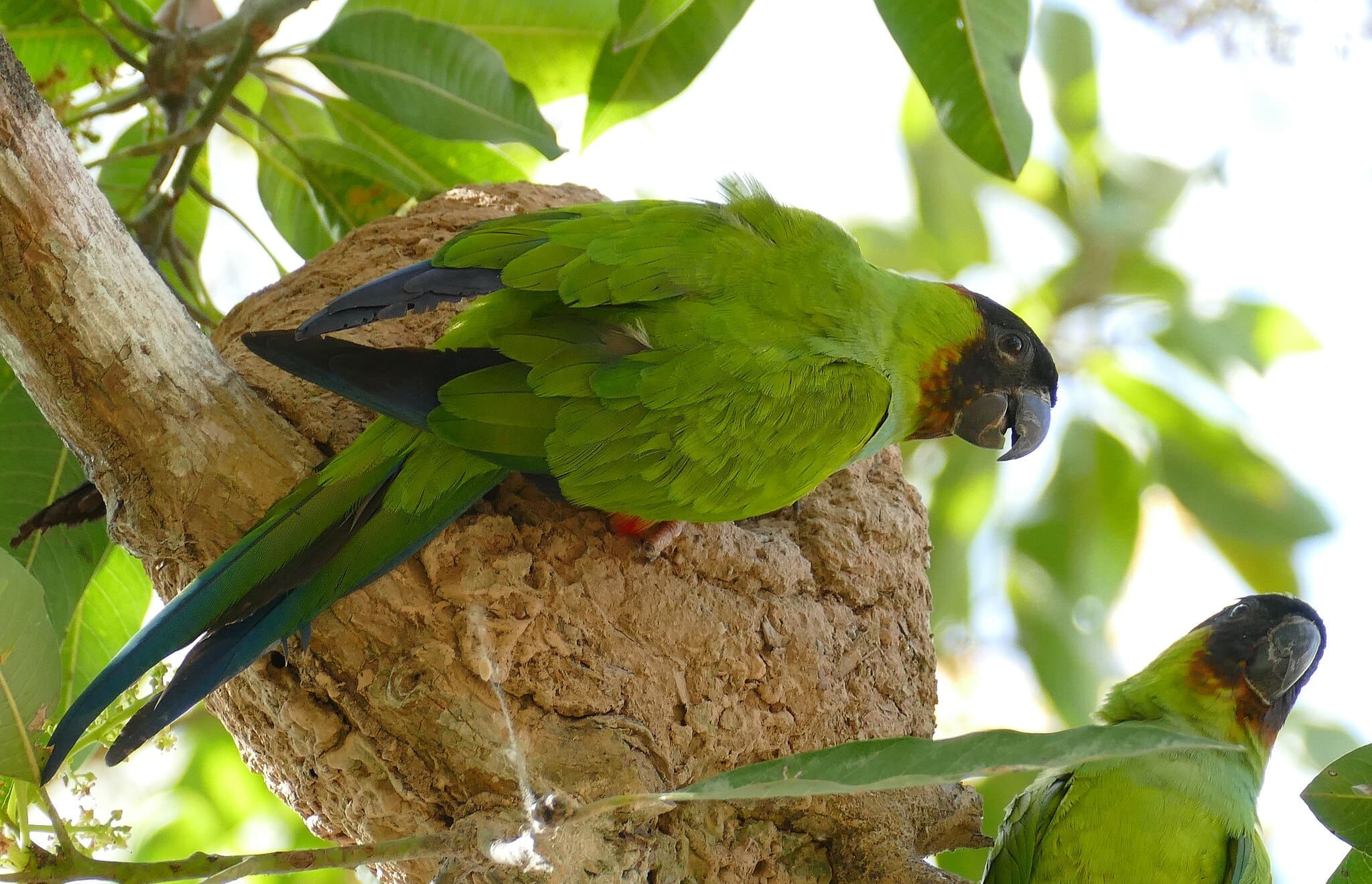
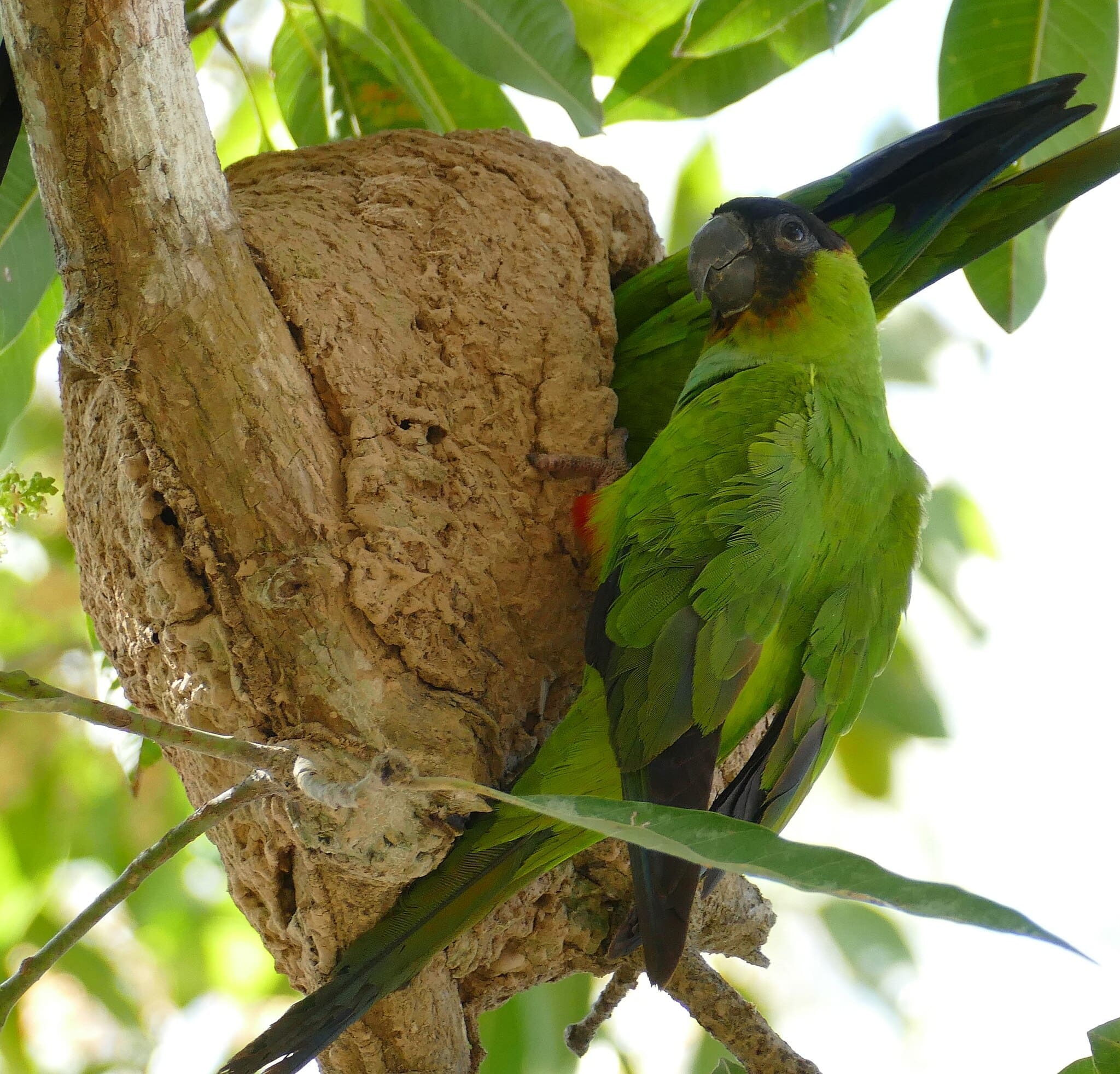
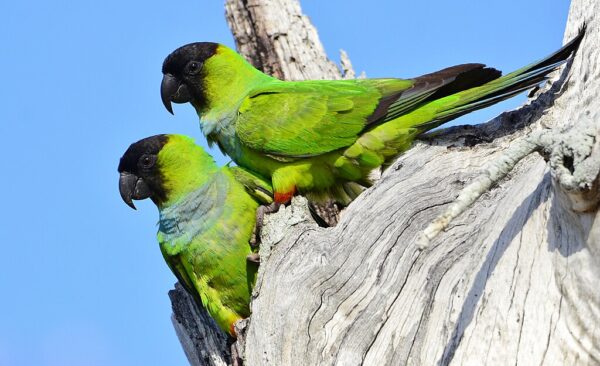
Both adults underparts green/yellow; forehead to nape and face black; throat and upper breast washed with blue; general body colour green/olive; thighs orange/red; tail olive/green tipped with blue. Beak black. Bare eye ring pink. Eye brown.
Colour Juvenile:
As in adults but less blue on throat and breast; shorter tail.
Call:
In-flight calls are clamorous, screeching; while perched shrill chattering.
More Information:
Content Sources:
CITES
BirdLife International
Cornell Lab of Ornithology/Birds of the World
A Guide to Parrots of the World, Juniper and Parr, 1998
Parrots of the World, Forshaw and Knight, 2010.
Parrots of the World, Forshaw, 2006.
Parrots in Aviculture, Low, 1992.
Psittacine Aviculture, Schubot, Clubb and Clubb, 1992.
Captive Status:
Common
Longevity:
35-45 yrs.
Housing:
Aviary or suspended enclosure, minimum length 2 to 3 m (6.5-9.8 ft).
Diet:
Fruit such as: apple, pear, orange, cactus fruits, pomegranate, forming about 30 percent of diet; vegetables such as: carrot, celery, green peas and beans, corn; green leaves such as: Swiss chard, lettuce, sowthistle, dandelion, chickweed; spray millet; small seed mix such as: millet, canary and smaller amounts of oats, buckwheat and safflower; soaked and sprouted sunflower seed; cooked beans or pulses, boiled maize, and complete pellet.
Enrichment:
Socialization, bathing, ladders, swings, puzzle and foraging toys, bird-safe chewables (branches, vegetable tanned leather, sterilized pine cones).
Nest Box Size:
12″ x 12″ x 18″ (30.5 cm x 30.5 cm x 46 cm) vertical box.
Clutch Size:
3 to 5
Fledging Age:
8 weeks
Hatch Weight:
—
Peak Weight:
—
Weaning Weight:
—
World Population:
Unknown, increasing.
IUCN Red List Status:
Least Concern
CITES Listing:
Appendix II
Threat Summary:
Described as fairly common. Heavily traded on the international market (267,246 wild caught birds since 1981) and persecuted for crop damage. Suspected to be increasing owing to habitat degradation creating new suitable areas.
Range:
Upper Rio Paraguay basin, from Santa Cruz, SE Bolivia and S Mato Grosso, Brazil, through C Paraguay to N Argentina, in Formosa, Chaco, N Santa Fe. Sometimes Misiones and Corrientes. Feral populations occur near Buenos Aires, Argentina, Florida and S California, USA, and Puerto Rico, West Indies.
Habitat:
Occurs in lowlands including moister parts of the eastern chaco, pantanals and cattle rangeland with palms. Up to 800 m (2624 ft).
Wild Diet:
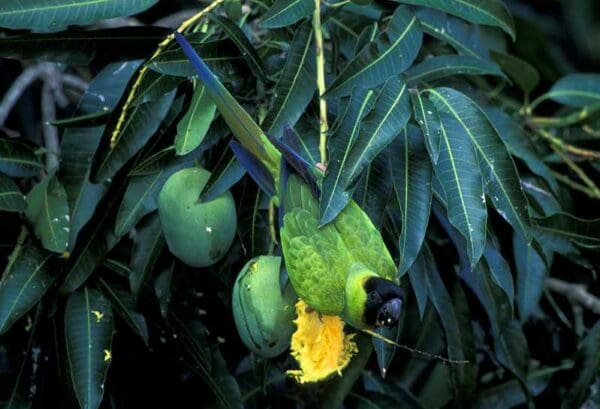
Feeds on a variety of foods including seeds, fruits, nuts, and berries but seems to prefer Copernicia nuts.
Ecology and Behaviour:
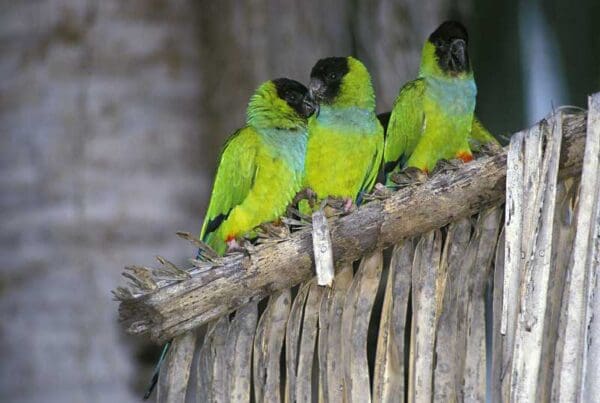
Sociable, congregates while feeding; often several hundred birds gather while roosting. Seen drinking at waterholes with other species.
Clutch and Egg Size:
3 to 5 ovate eggs, 29.0 x 23.0 mm (1.1 x 0.9 in).
Breeding Season:
November in Mato Grosso. Nesting is in palm and tree trunks.
Related Links:
—