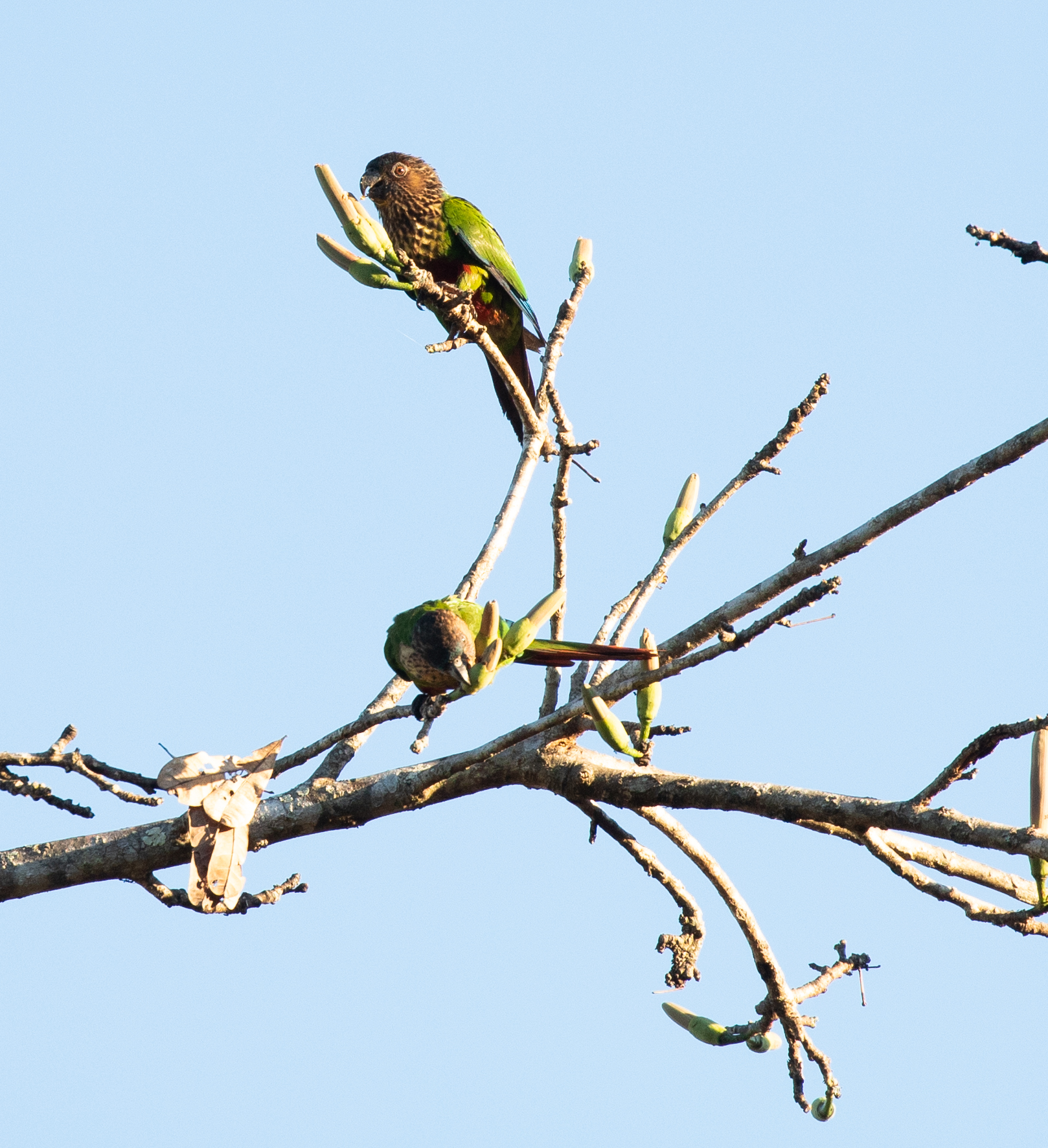
Also known as:
Hellmayr's Parakeet
Also known as:
Hellmayr's Parakeet

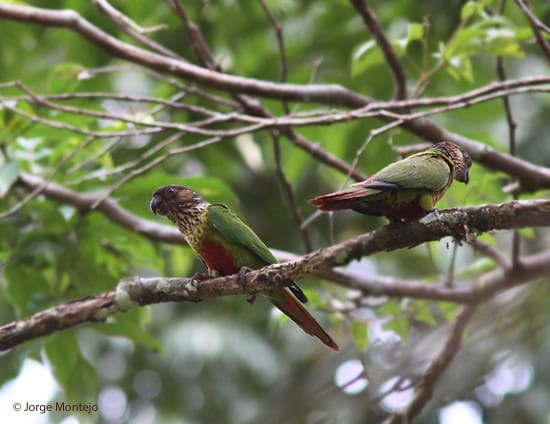
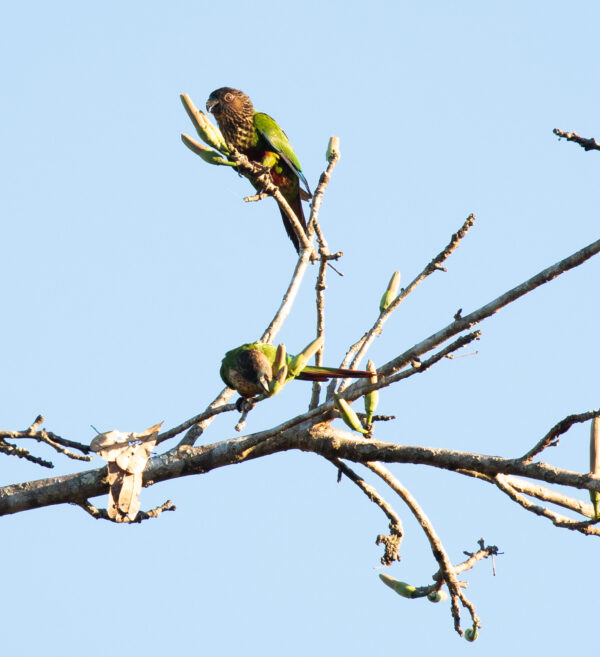
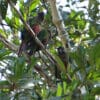
![© Jorge Montejo [CC BY-SA 2.0] via Flickr Wild Santarém Conures perch on a branch](https://foowd.com/wp-content/uploads/2023/01/wpt_Santarem-Conure_2018-3-100x100.jpg)
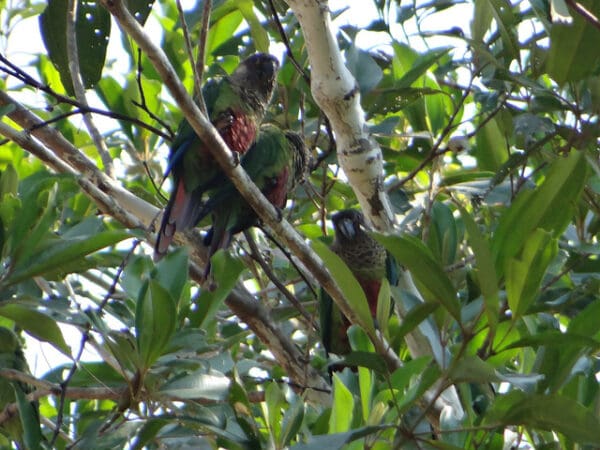
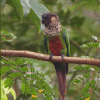
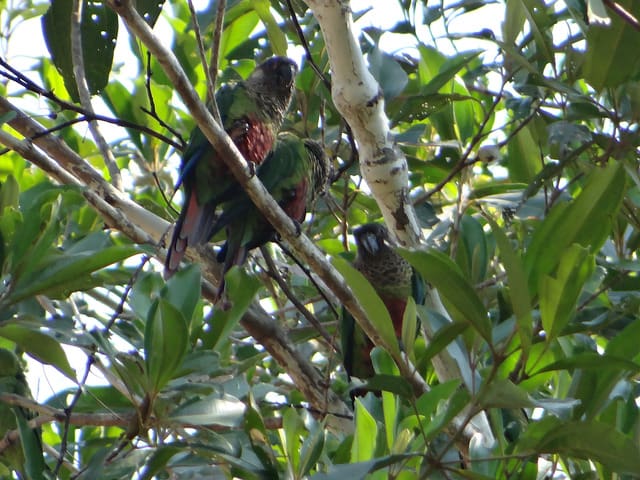
![© Vincent Vos [CC BY-NC-SA 2.0] via Flickr Wild Santarém Conure perch in a leafy tree](https://foowd.com/wp-content/uploads/2023/01/wpt_Santarem-Conure_2018-2-100x100.jpg)
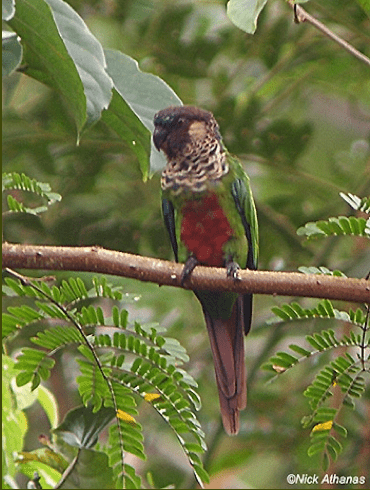
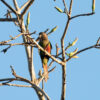
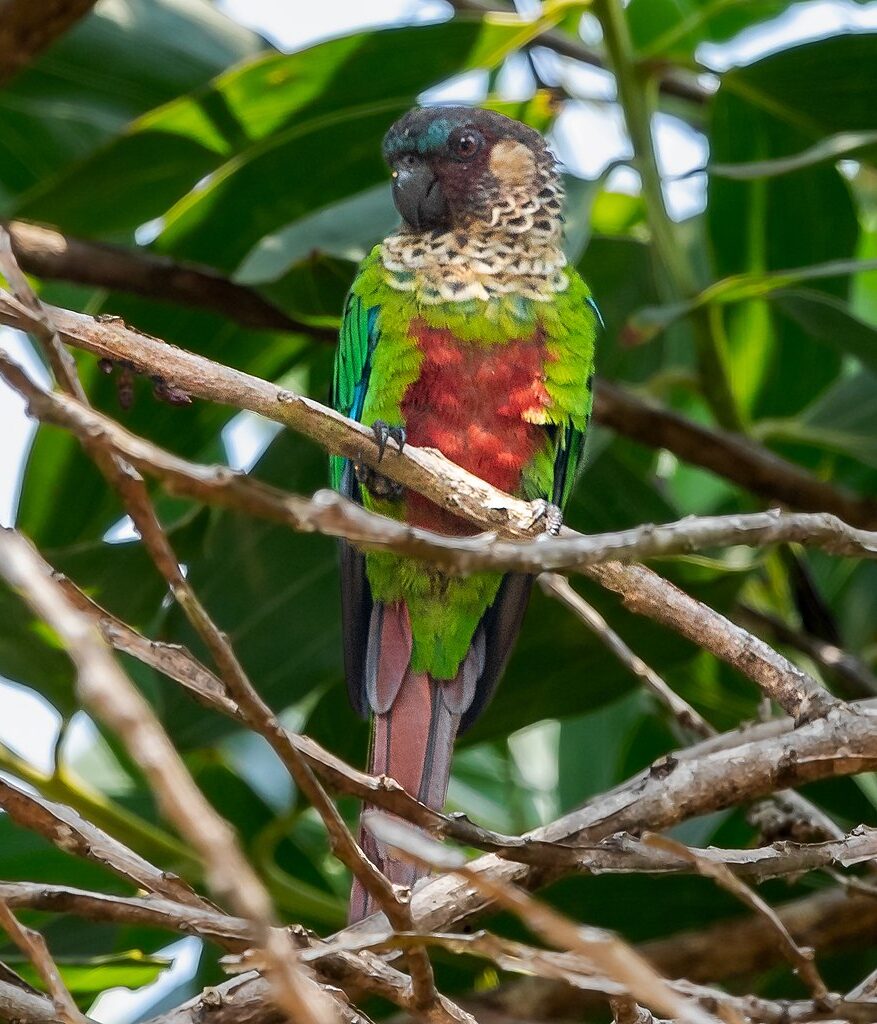
![© Nick Athanas [CC BY-NC-SA 2.0] via Flickr Wild Santarém Conure perches on a limb](https://foowd.com/wp-content/uploads/2023/01/wpt_Santarem-Conure_2018-100x100.png)

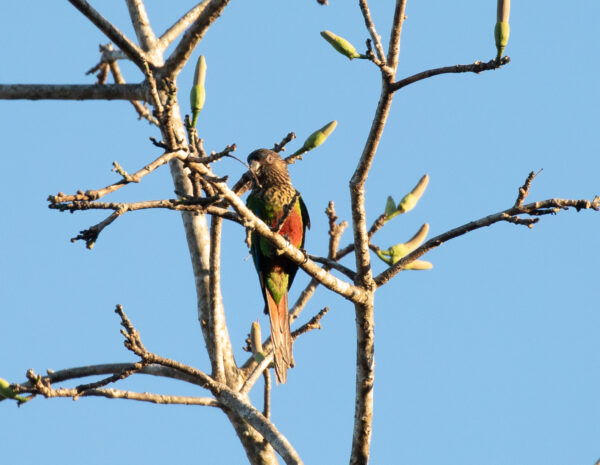
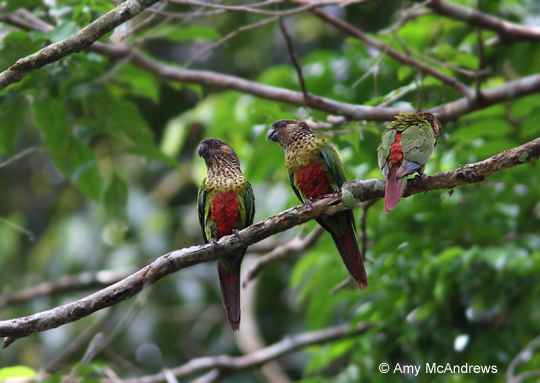
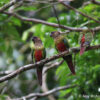
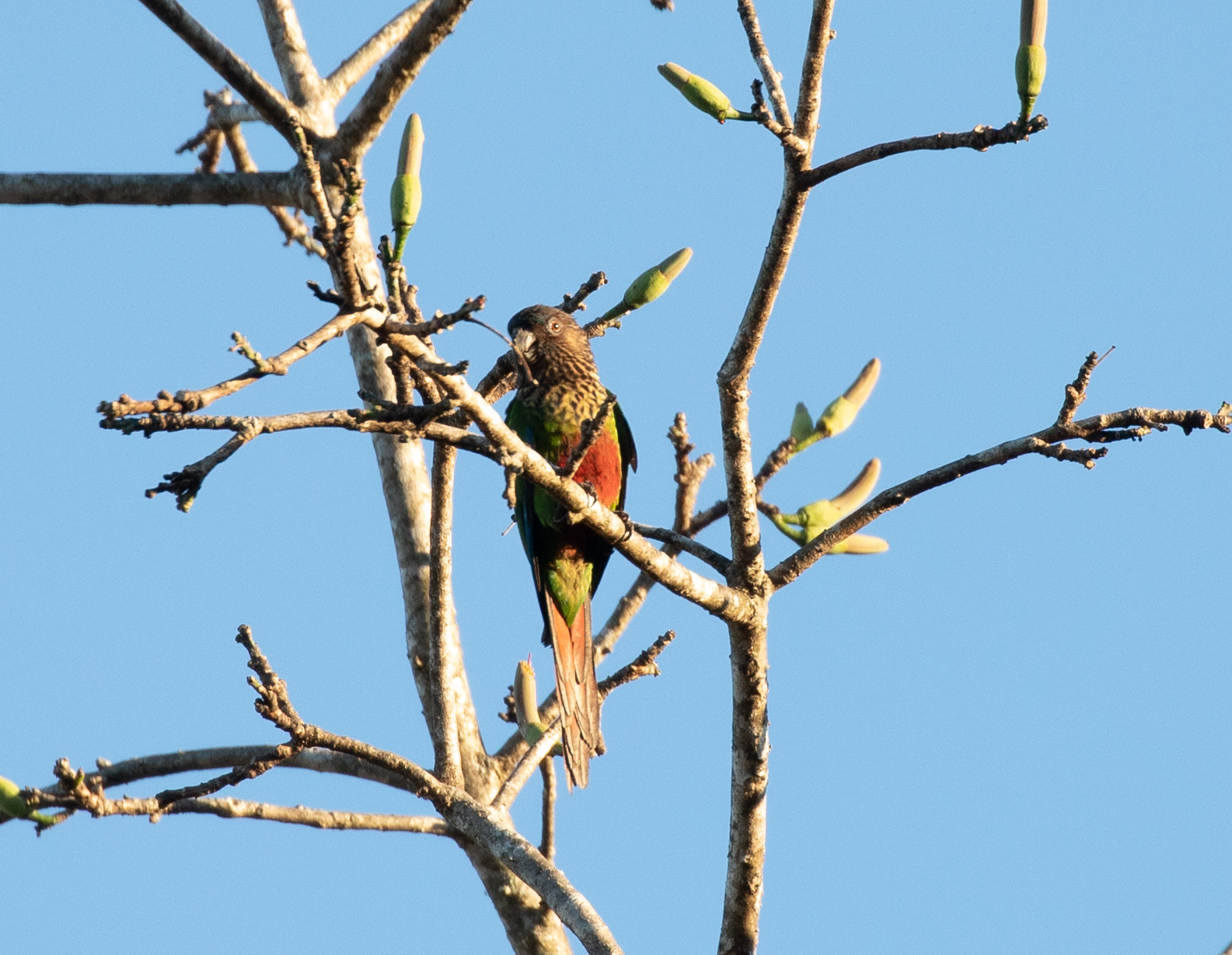
![© Amy McAndrews [CC BY-NC 2.0] via Flickr Wild Santarém Conures perch on a branch](https://foowd.com/wp-content/uploads/1990/11/Santarem-Conure-Amy-McAndrews-CC-BY-NC-ND-2.0-100x100.jpg)

The Santarém Conure was historically considered a subspecies in the Pyrrhura picta complex.

Pyrrhura

amazonum
Size:
22 cm (8.6 in)
Weight:
54-70 g (1.9-2.5 oz)
Subspecies including nominate:
Two: P. a. amazonum, P. a. microtera
Colour Adult:
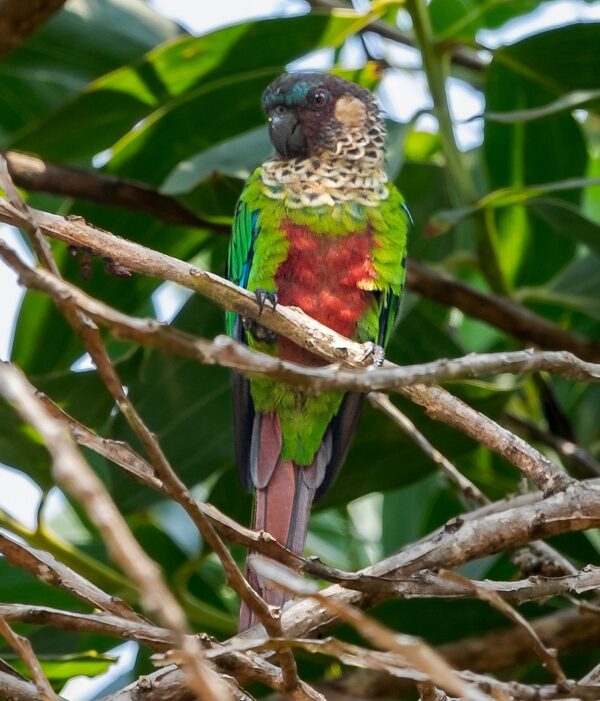
P. a. amazonum: Both adults crown to nape dark brown; blue band in front of eyes; frons and face dark red/brown; brown-buff ear coverts; grey-green upper breast with grey-buff scalloping; lower breast yellow-buff with scalloping; green wing bend; brown-red patch in center of abdomen; brown-red tail with green at base. Beak grey-black. Eye orange-brown, with bare grey eye ring.
P. a. microtera: Both adults narrow frons, darker red/brown, upper breast dusty brown with grey-buff scalloping. Smaller in size.
Colour Juvenile:
P. a. amazonum: Juveniles duller than adults. Fine grey-white scalloping on breast. Brown-red patch less extensive on abdomen. Tail shorter. Eye-ring grey-white.
P. a. microtera: Not recorded.
Call:
Calls made in flight described as coarse, rough and forceful; less harsh than that of other Pyrhurra sp.
More Information:
Content Sources:
BirdLife International
Cornell Lab of Ornithology/Birds of the World
Parrots of the World, Forshaw, 2006.
Vanished and Vanishing Parrots, Forshaw, 2017.
Captive Status:
Not recorded.
Longevity:
—
Housing:
—
Diet:
—
Enrichment:
—
Nest Box Size:
—
Clutch Size:
5-7
Fledging Age:
—
Hatch Weight:
—
Peak Weight:
—
Weaning Weight:
—
World Population:
Unknown, decreasing.
IUCN Red List Status:
Near Threatened
CITES Listing:
Appendix II
As conspecific with Pyrrhura picta.
Threat Summary:
The primary threat is accelerating deforestation in the Amazon basin as land is cleared for cattle ranching and soy production. Over the past ten years, 11% of tree cover was lost within the range. As it has accelerated since 2016, the overall rate of habitat loss may currently be 22-23% over ten years. There is currently no evidence that trapping is a concern.
Range:
E Amazonia in northern Brazil, along the north bank of the Amazon River from Obidos to Monte Alegre in Pará. On the south bank from Santarém, Pará east to Imperatriz, Maranhão. South to Mato Grasso.
Habitat:
Found up to 600 m (1968 ft) in wooded habitats including terra firme and dry deciduous forests.
Wild Diet:
Food items include flowers and seeds of Erythrina, Cecropia catkins, and Diptera larvae. Goupia glabra, Trema micrantha, Bagassa guianensis and Euterpe oleracea fruits.
Ecology and Behaviour:
Found in flocks of 5 to 12 birds. During breeding season seen in pairs and families. Flight is swift and direct. Birds visit watercourses each day to bathe, and have been seen bathing in spray from a nearby waterfall.
Clutch and Egg Size:
5-7 elliptical eggs, 26.5 x 19.0 mm (1 x 0.7 in).
Breeding Season:
Possibly September-November. Nest is in tree cavity.
Related Links:
—