Amazona

diadema
Size:
34-35 cm
Weight:
450-550 g
Subspecies including nominate:
one
Colour Adult:
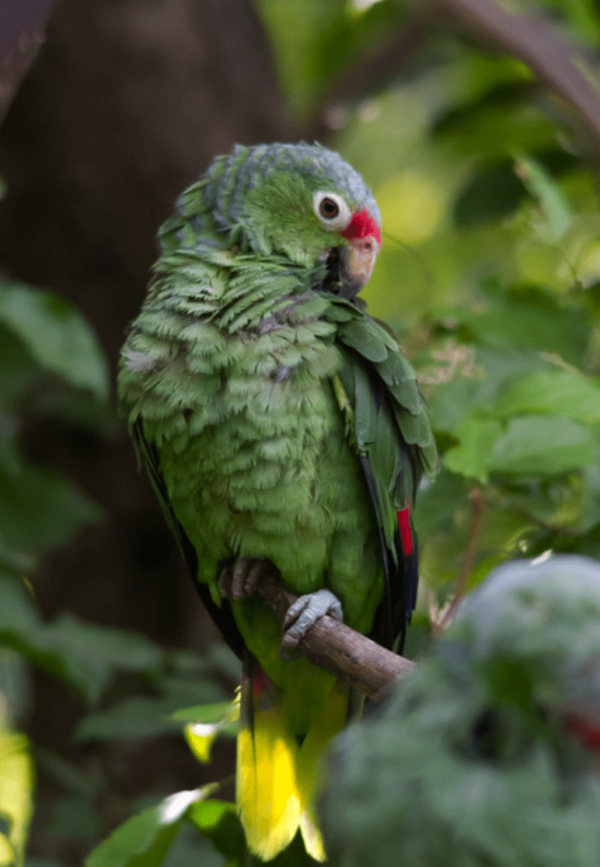
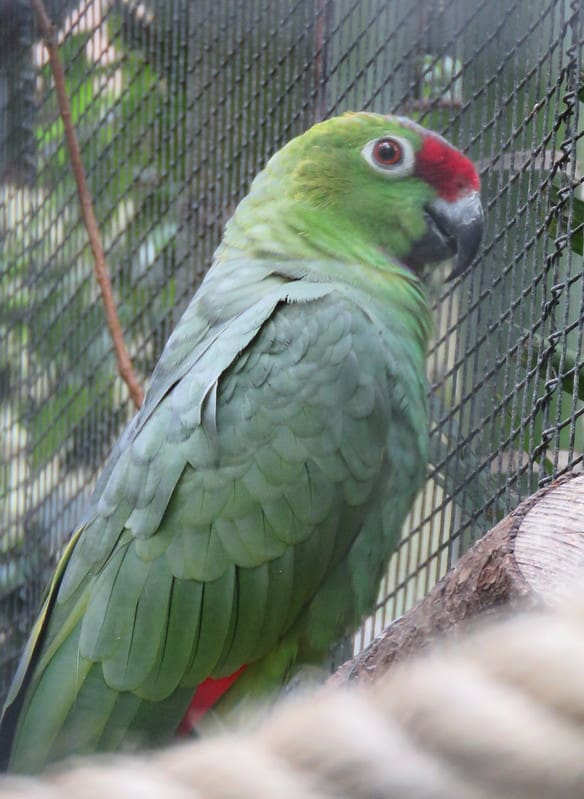
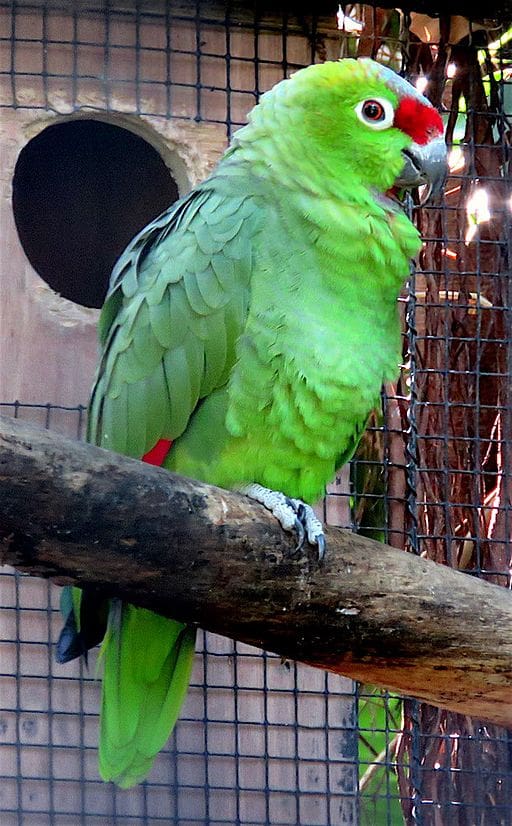
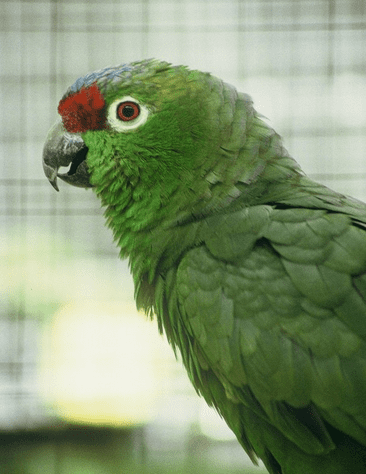
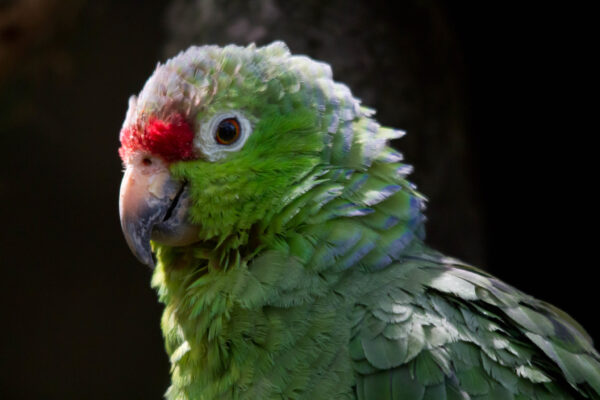
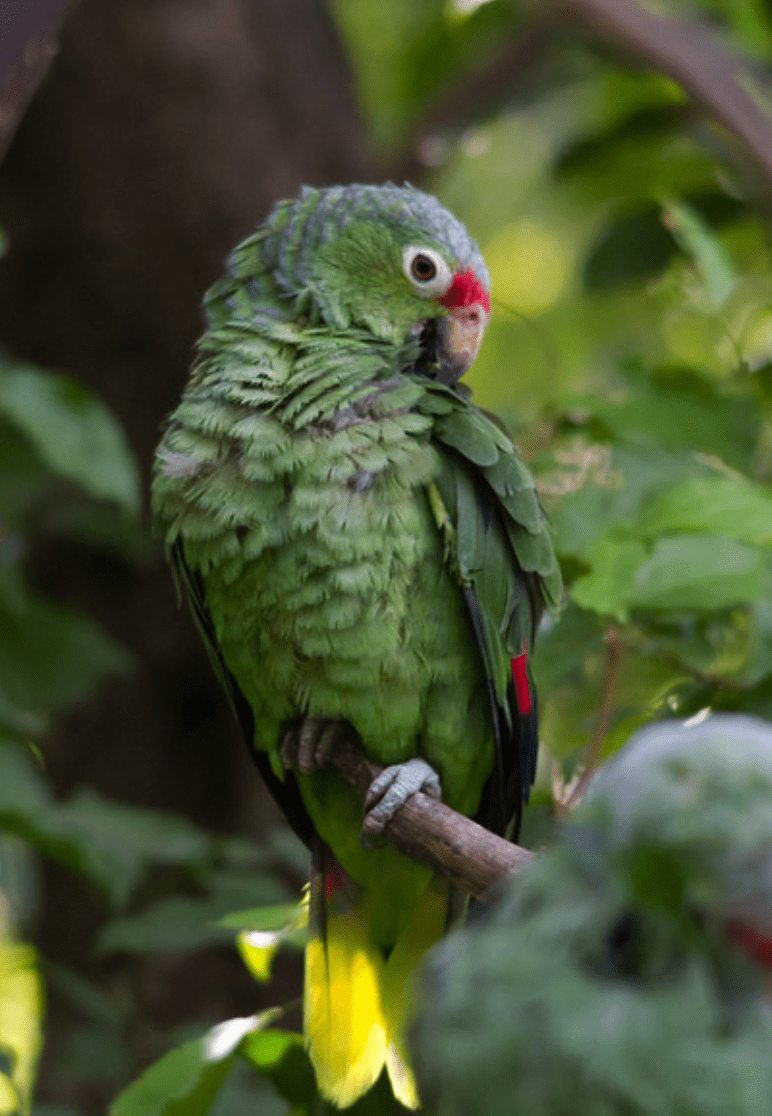
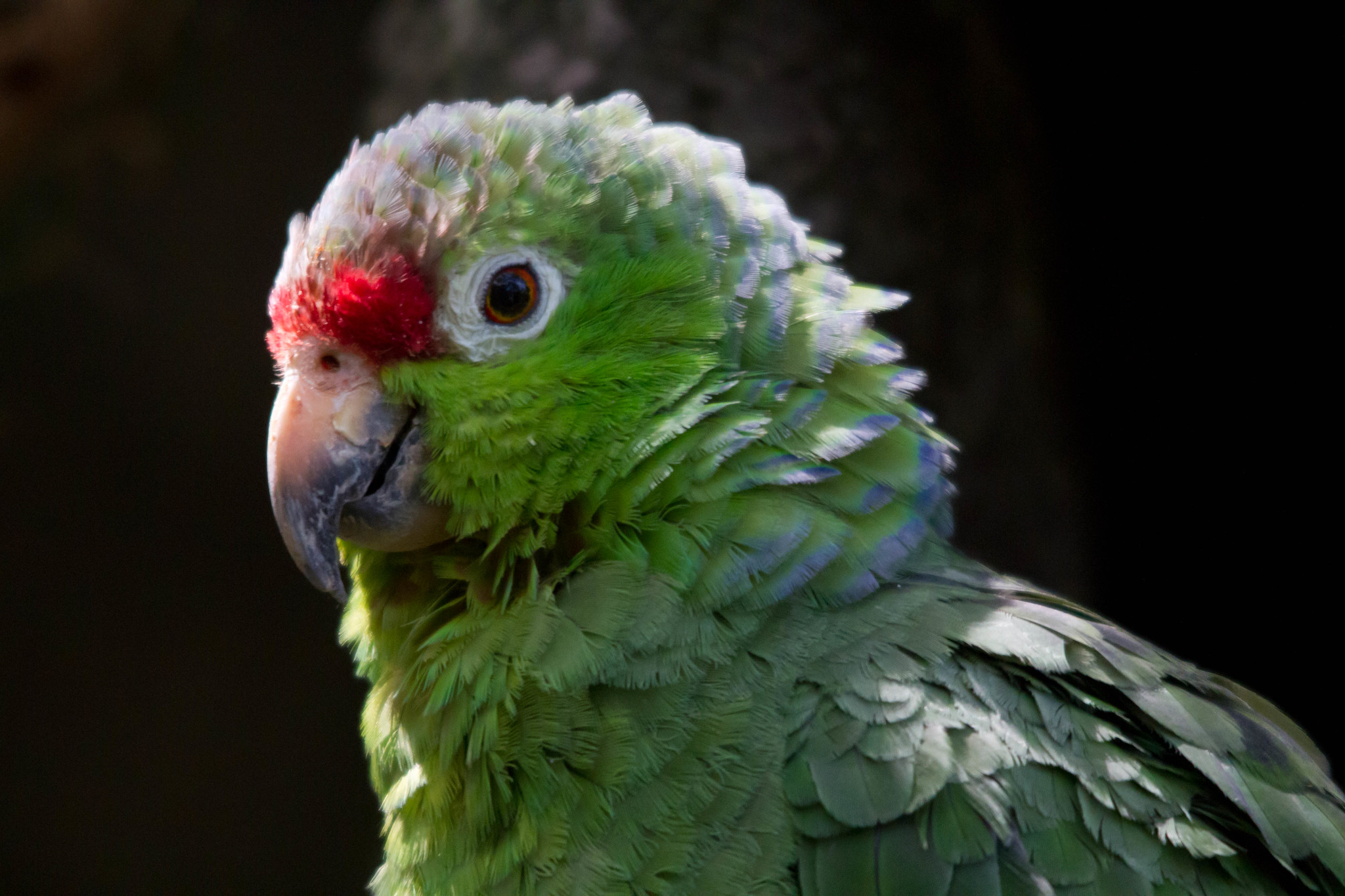
Both adults in general green, with black edging to feathers of crown to mantle and breast; green crown to nape, hindneck green margined with mauve; red feathered cere and forehead; yellow/green with less yellow upper cheeks to ear coverts; secondaries 1-5 red at bases, the remainder green; green tail. Eye ring pale yellow, eye orange. Horn-coloured upper mandible, lower is black.
Colour Juvenile:
As in adults, but paler red on lores and forehead. Iris dark brown.
Call:
Wide variety of sounds, some high-pitched, trilling; other calls loud, metallic and scolding; rippling and short notes also heard.
More Information:
Content Sources:
BirdLife International
Cornell Lab of Ornithology/Birds of the World
Vanished and Vanishing Parrots, Forshaw, 2017.
Parrots of the World, Forshaw, 2006.
Parrots in Aviculture, Low, 1992.
Captive Status:
Uncommon to rare.
Longevity:
60-70 yrs
Housing:
Aviary or suspended cage with a minimum length 3 m (9.8 ft).
Diet:
Fruit such as: apple, pear, orange, banana, cactus fruits, pomegranate, forming about 30% of the diet; fresh vegetables such as: carrot, celery, green peas, beans, fresh corn, green leaves; spray millet and limited mixed seed, cooked beans and pulses, complete kibble.
Enrichment:
Enjoys bathing so provide overhead misters or shallow water bowls; foot toys, destructible (non-toxic) toys, non-destructible (non-toxic plastic) toys, food-finder toys, preening toys, different texture and size hanging perch toys, fir, pine, willow or elder branches, push-and-pull toys (sliding up and down), vegetable tanned leather toys.
Nest Box Size:
Vertical box, 12″ x 12″ x 24″ (30.5 cm x 30.5 cm x 61 cm).
Clutch Size:
2-3
Fledging Age:
8-9 weeks.
Hatch Weight:
—
Peak Weight:
—
Weaning Weight:
—
World Population:
30,000-74,000 mature individuals, decreasing.
IUCN Red List Status:
Least Concern
CITES Listing:
Appendix II
As congener of Amazona autumnalis
Threat Summary:
This species’ population is expected to decline due to ongoing deforestation in the Amazon basin. It is also susceptible to trapping for local trade. Remote-sensed data shows four percent of forest with at least 50% canopy was lost within the species’ range between 2001 and 2019. Assuming a similar rate over the past three generations, this would equate to a reduction of around 8% habitat loss over 35 years.
Range:
Amazon basin of Brazil between Río Negro and Río Solimões.
Habitat:
Recorded in humid forest and forest margins.
Wild Diet:
Feeds mainly on wild and cultivated fruits (including Tetragastris), nuts and seeds.
Ecology and Behaviour:
Assumed to be similar to Red-lored Amazon: Found in loose flocks or in pairs, are gregarious when feeding (often found with macaws or other parrots). Occupies nocturnal roosts.
Clutch and Egg Size:
2-3
Breeding Season:
Assumed to be early in the year: January-March
Related Links:
—