
Women powering parrot conservation worldwide
With around one in three parrot species facing extinction in the wild, conservation action is essential to their survival. Much of this work is led by women working across regions, disciplines, and cultures.
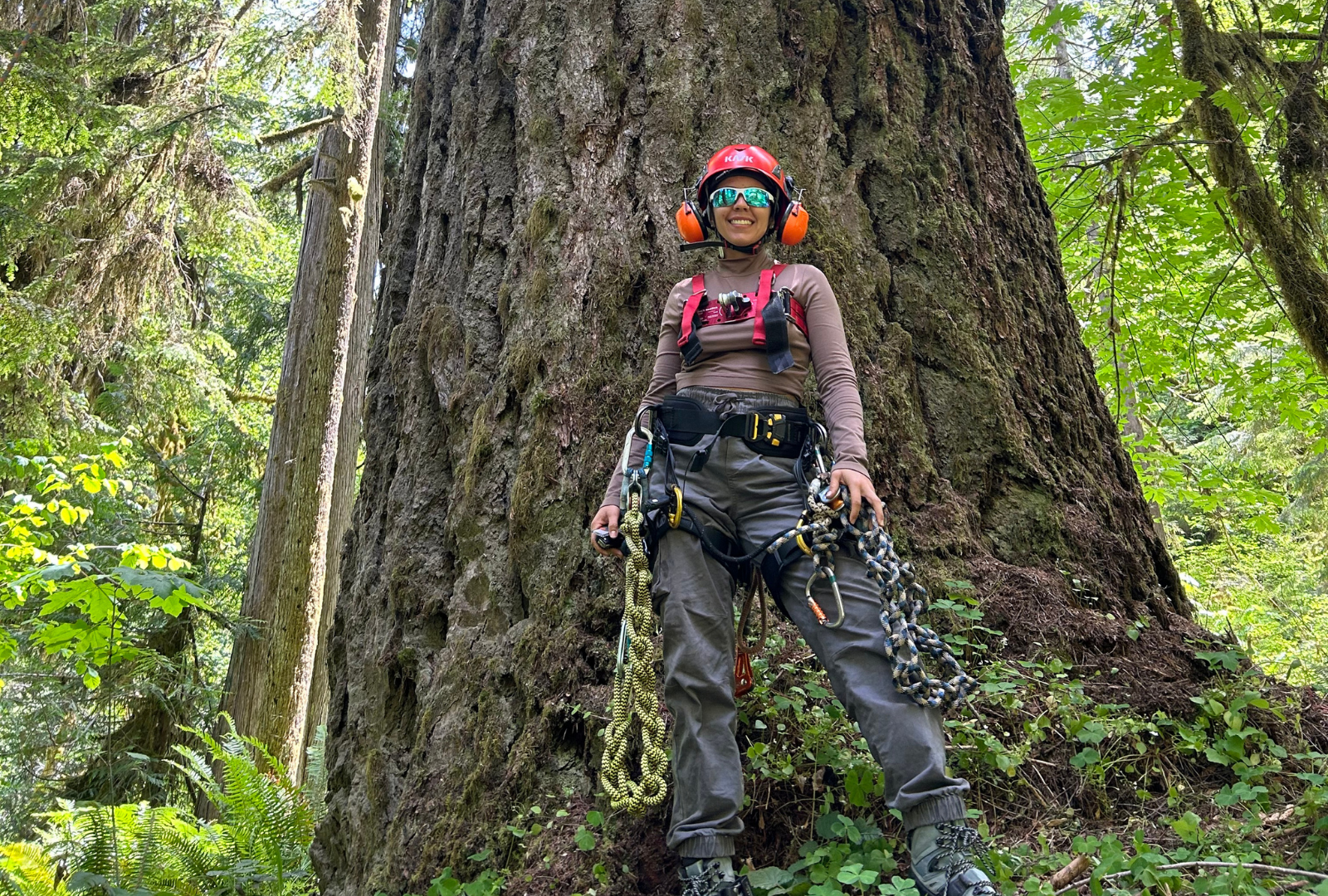
They monitor populations at dawn, scale trees to check nest boxes, restore degraded habitats, engage communities in conservation, strengthen biosecurity, and guide species recovery efforts, working alongside their equally dedicated colleagues and teams. Their work is practical and hands-on, shaping real progress for parrot species worldwide.
This International Women’s Day, we want to highlight a few of the dedicated women from across World Parrot Trust projects and partners, sharing recent outcomes from their work: what has changed, what is working, and why it matters for parrots and their habitats.
Meet some of the women behind parrot conservation around the world.
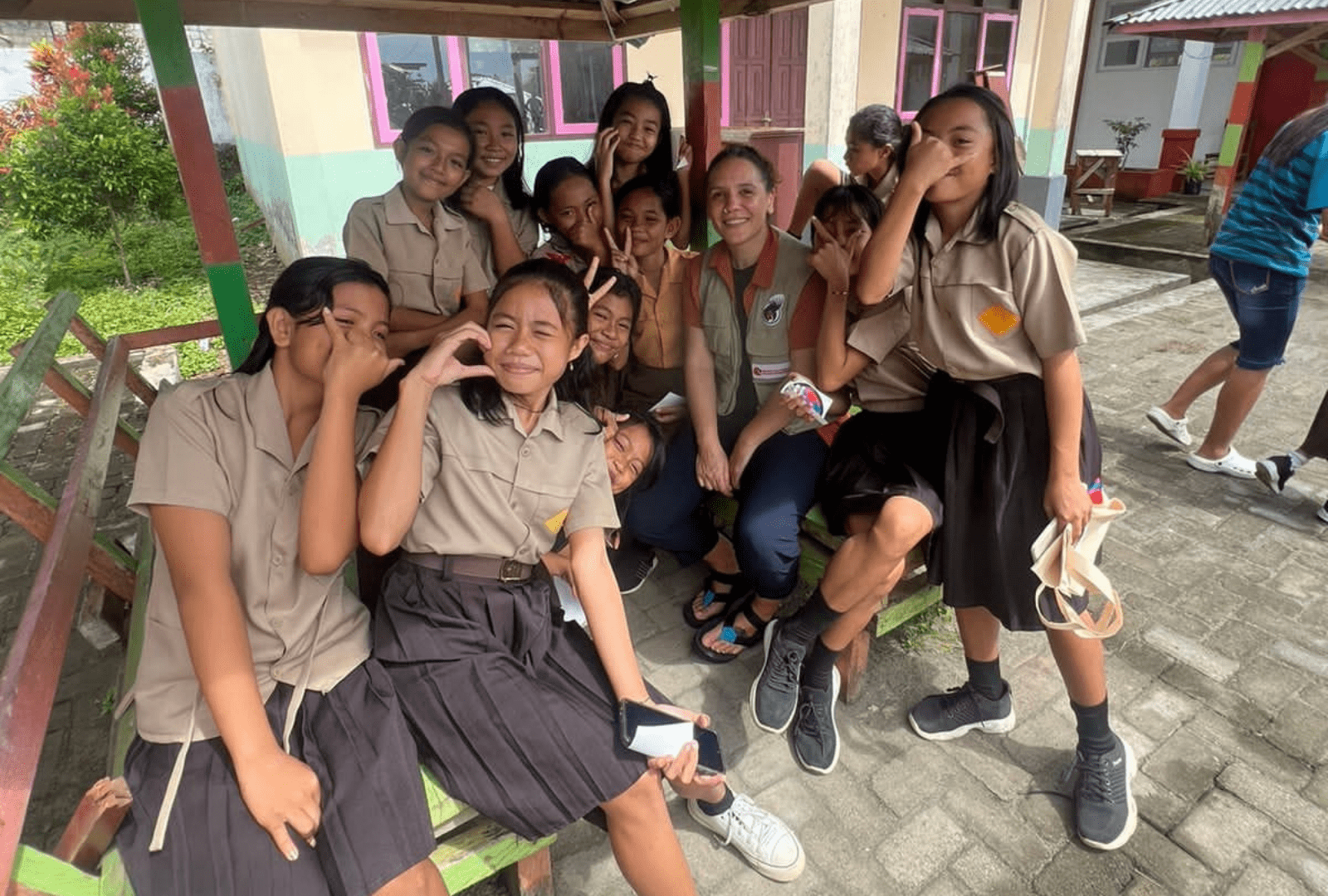
Angela D’Alessio
Manager Indonesia Programme, World Parrot Trust
Indonesia
Across Indonesia, I see communities reclaiming their role as stewards of their natural heritage. There is a visible shift from “Pemburu to Budidaya”, from hunting to cultivation. By working within each island’s social reality, our creative and collaborative approach supports the lasting protection of parrots alongside local stewardship. When the shift from taking to growing happens, exploitation loses its appeal, as parrots are then understood as a part of the living system that communities depend on and protect.
Lizbeth M Vega Acosta
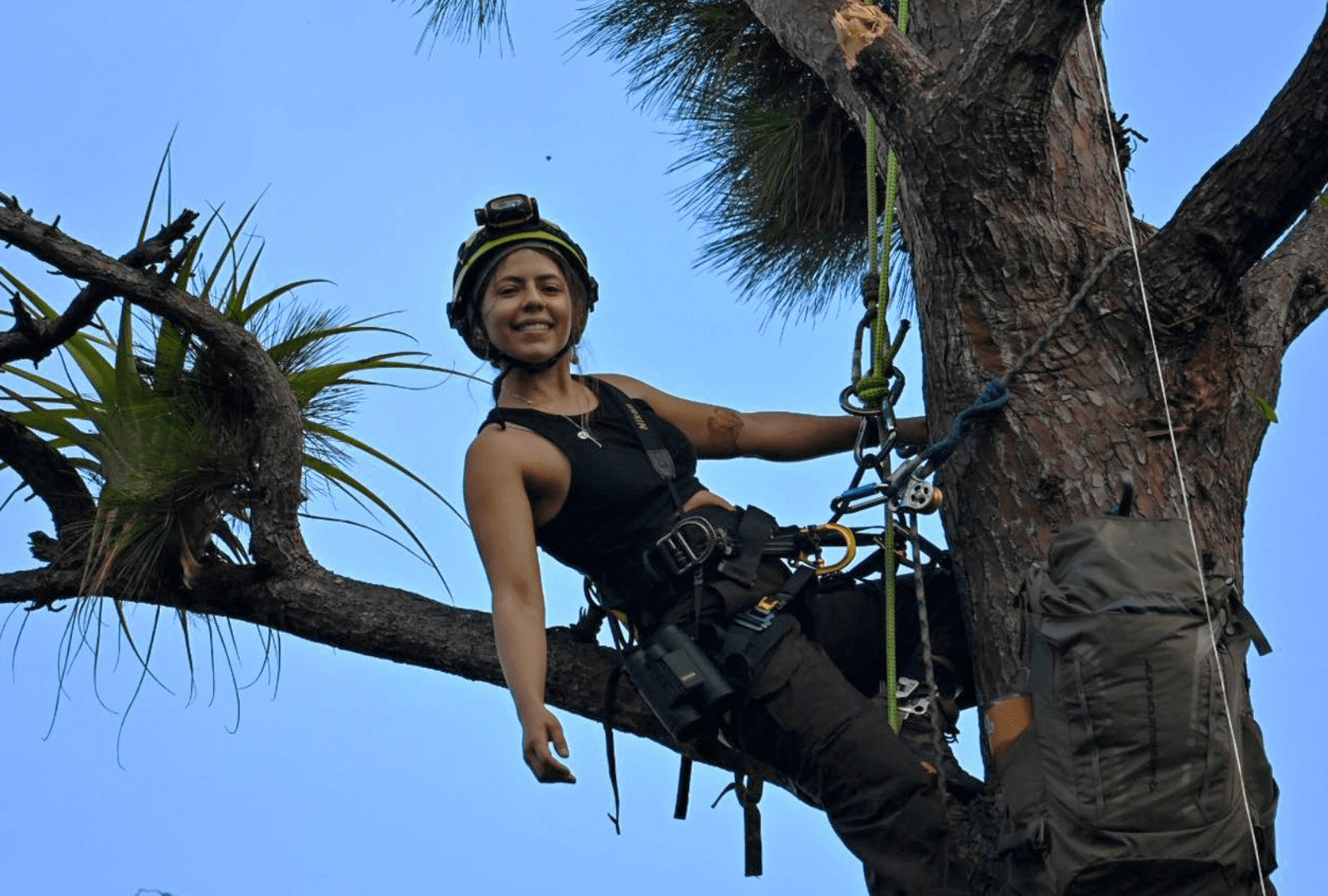
Parrot Habitat Technician, World Parrot Trust
Puerto Rico
I am most proud to be able to contribute to the conservation project for the recovery of the Puerto Rican Amazon. This year, the population reached over 900 individuals, numbers we haven’t seen since before 1973 when the population declined to a critical state with only 13 individuals left on the archipelago. Then the growing population took a hit in 2017 after hurricane Maria, reducing the wild population once again. These historic numbers reflect an intense and collaborative effort between local and federal agencies that have dedicated their lives to the recovery of the species. Also, the support of other NGO’s that are taking part in the reproduction, the protection of the habitat, and the outreach in communities, has been key for the recovery.
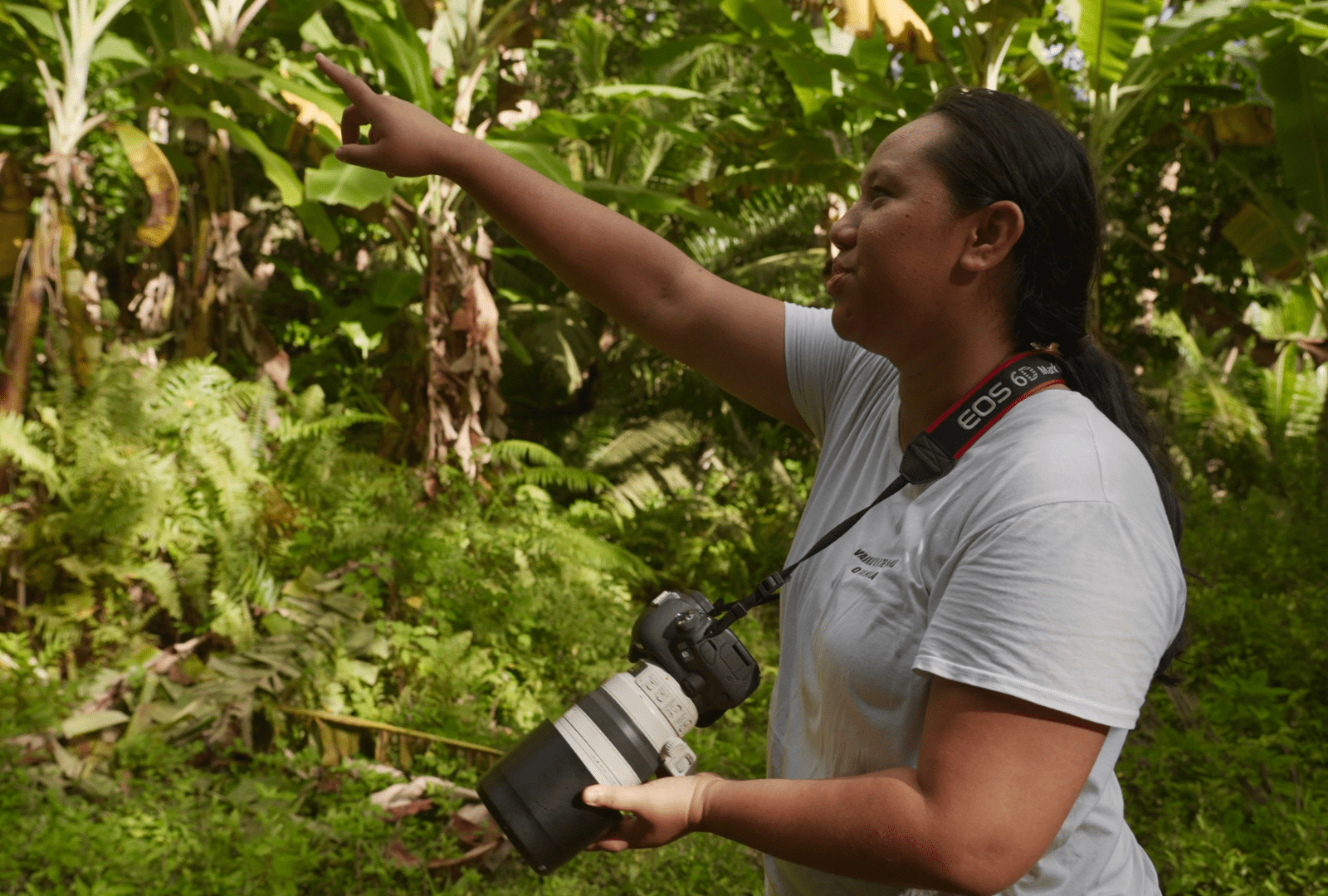
One of the clearest signs that conservation is working, is the shift in local attitudes I’ve witnessed since I began working in conservation in 2019 on Ua Huka, in the Marquesas Islands. Through the work of Vaiku’a, focused on protecting the island’s endemic birds—especially the Ultramarine Lorikeet, now extinct elsewhere—local communities have developed a strong sense of ownership and pride. People increasingly understand the species’ ecological value and the importance of biosecurity, not only for biodiversity but also for economic resilience and animal welfare. Seeing young people embrace their role as future guardians is a powerful indicator of lasting success.
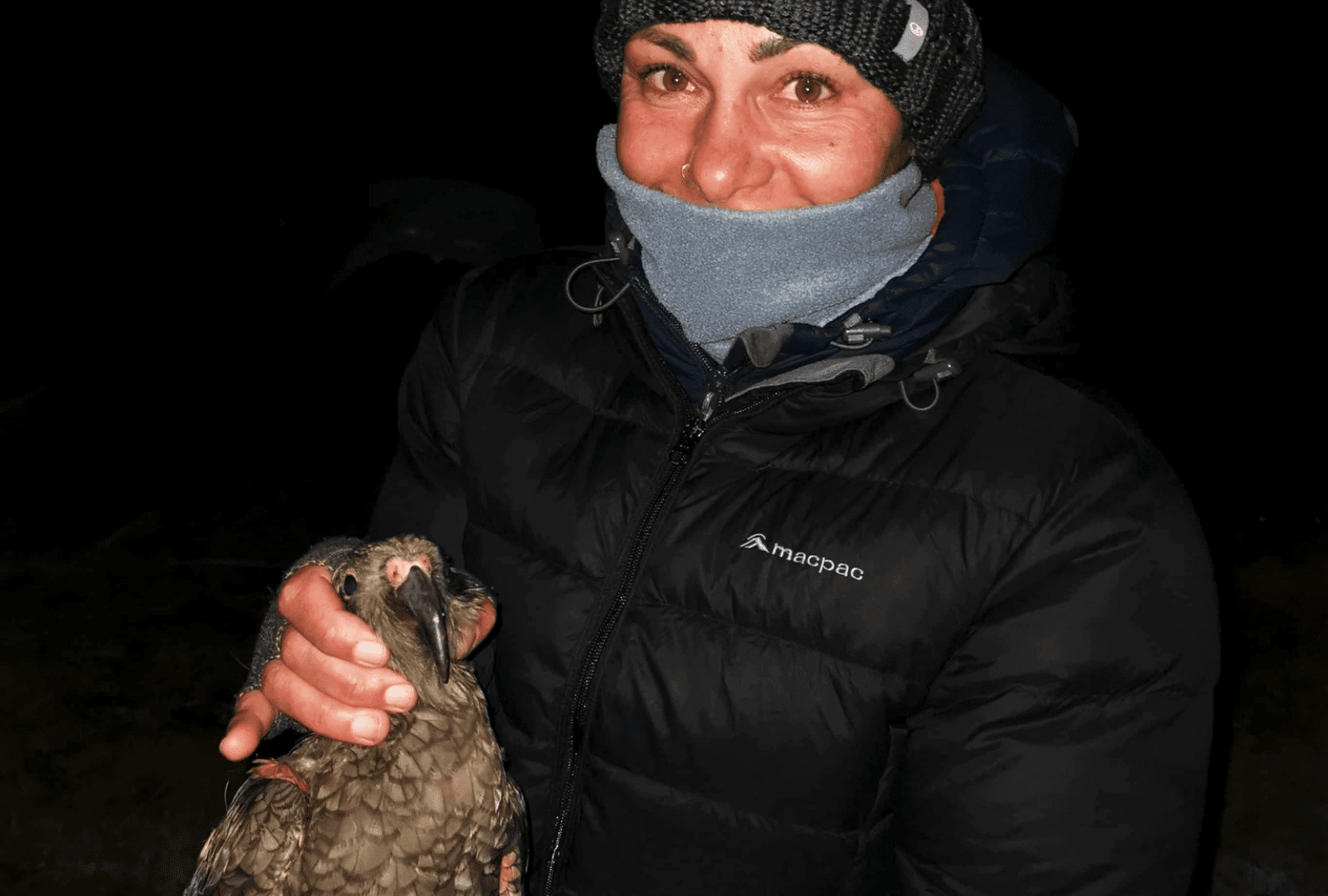
Kia ora, for the past four years I’ve assisted with kea surveys in Mount Aspiring National Park’s Matukituki Valley. Since 2016, 46 adults have been fitted with transmitters and 269 kea have been banded with individual identifier details and added to the national database. This has been pivotal in the Kea Conservation Trust’s ability to monitor the population and collect data on numbers, distribution, survivorship and breeding success. This conservation groundwork has been particularly important in understanding predator dynamics that impact survival rates and breeding success. Conservation efforts can therefore target in on specific threats and ultimately support the recovery of this kea population.
Noelia Volpe
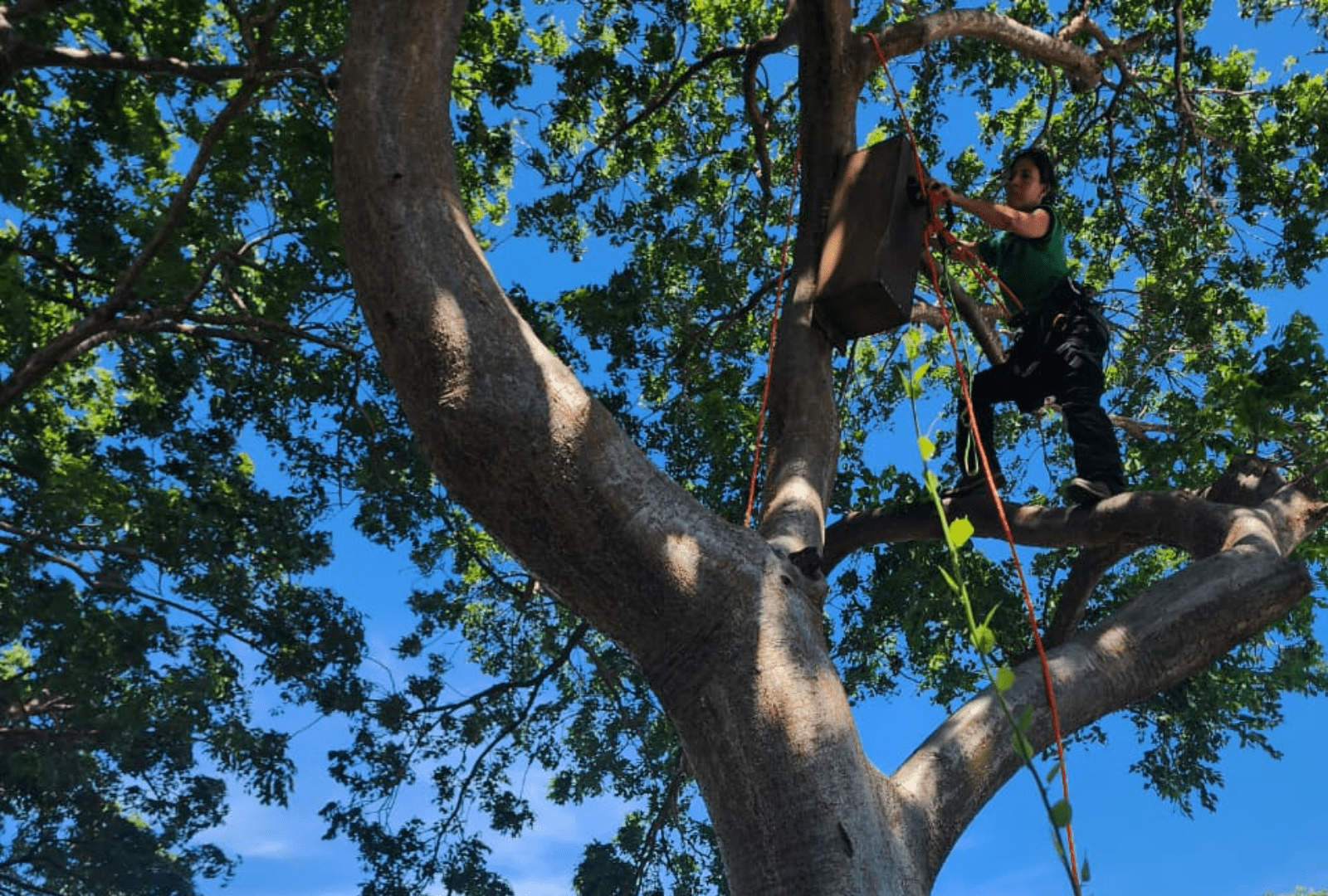
Yellow Naped Amazon Conservation Coordinator, World Parrot Trust
Honduras
A recent piece of progress has been getting the first records of Yellow-naped Amazons actively using the nest boxes we have been installing in Roatan. I am proud not only of the fact that all the effort of installing over 70 boxes (!!!) is paying off, but also of how the neighbors hosting the boxes are getting involved in the nest-monitoring process. The feedback they are providing on the activity of parrots at the nests will truly be of great help when the time comes to check the nests. For example, by understanding at what times females usually leave the nest to look for food, I can plan my nest-checking schedule to reduce the likelihood that I will disturb her inside the nest and cause unnecessary stress.
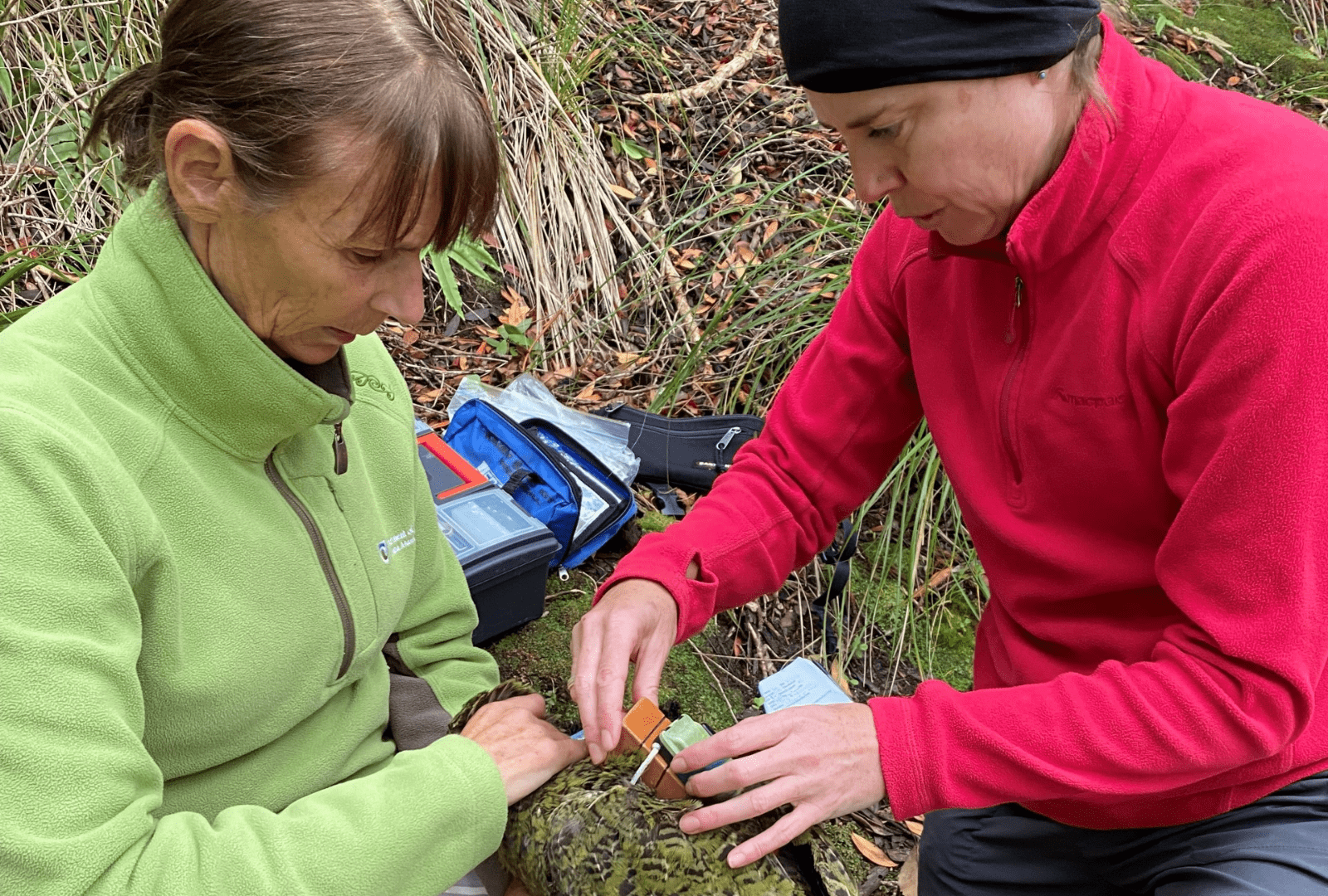
Kia ora, Auckland Zoo has been working with the Department of Conservation’s Kākāpō Recovery team since the early 90s, and in 2013, I first had the privilege of working with this amazing parrot. This was at a time when there were only 124 critically endangered kākāpō remaining – and there are now 236 individuals! I’m currently in the field on Whenua Hou island for the 2026 kākāpō breeding season, where more chicks are due to hatch. Working on the ground with Kākāpō Recovery, I have seen conservation in action and witnessed firsthand what sustained effort can achieve for the recovery of this extraordinary species.
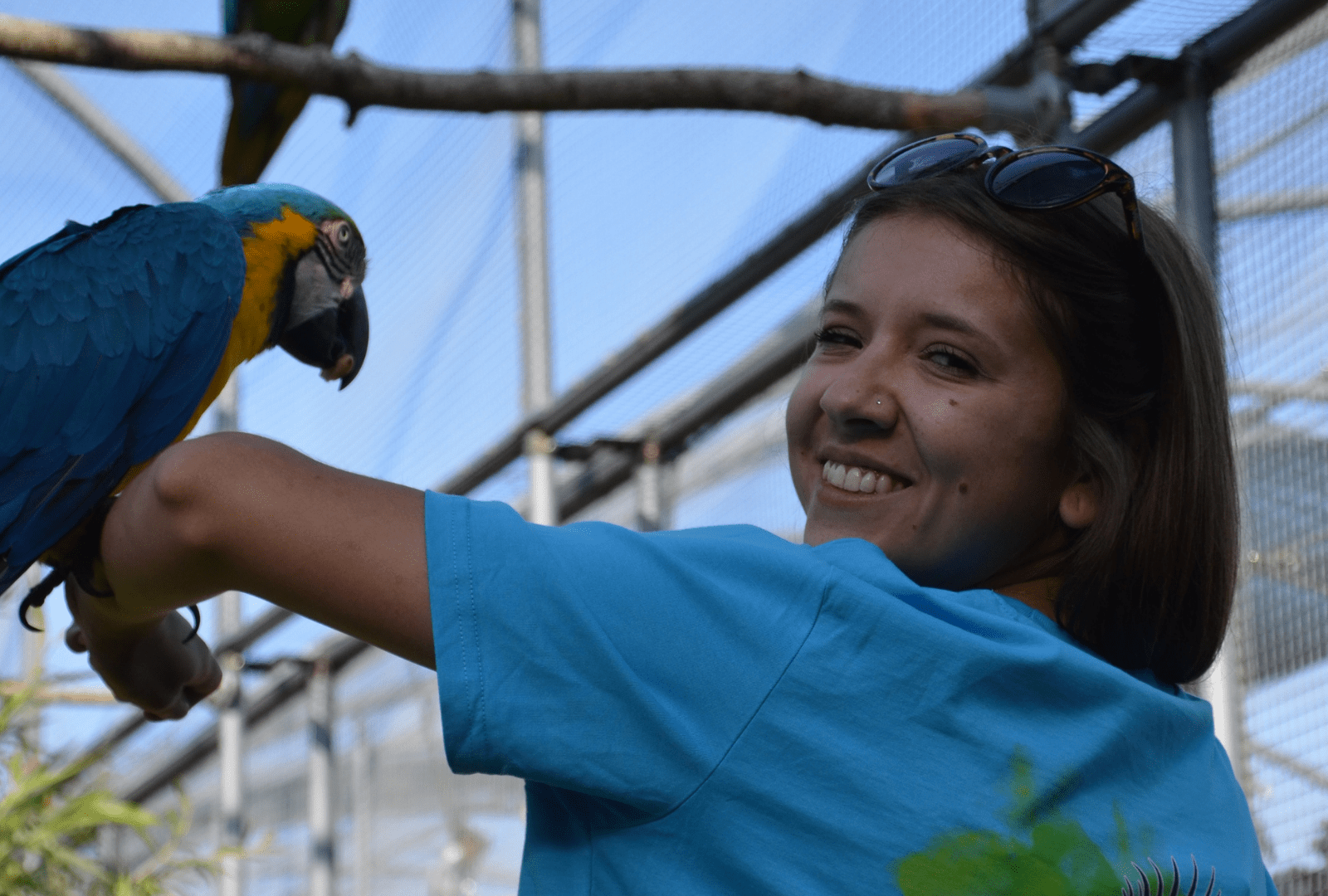
Clara Corbett
The Kiwa Centre Curator, World Parrot Trust
United Kingdom
My daily work at The Kiwa Centre benefits the lives of many parrots under my care, giving them a better future from the past lives they had. It’s been rewarding to work with so many characters and see these wonderful parrots thrive at the centre over the last year. Our parrots are ambassadors for care and welfare, impacting many parrots in companion care globally through our social media posts, highlighting nutrition, enrichment, and best practices for parrot care!
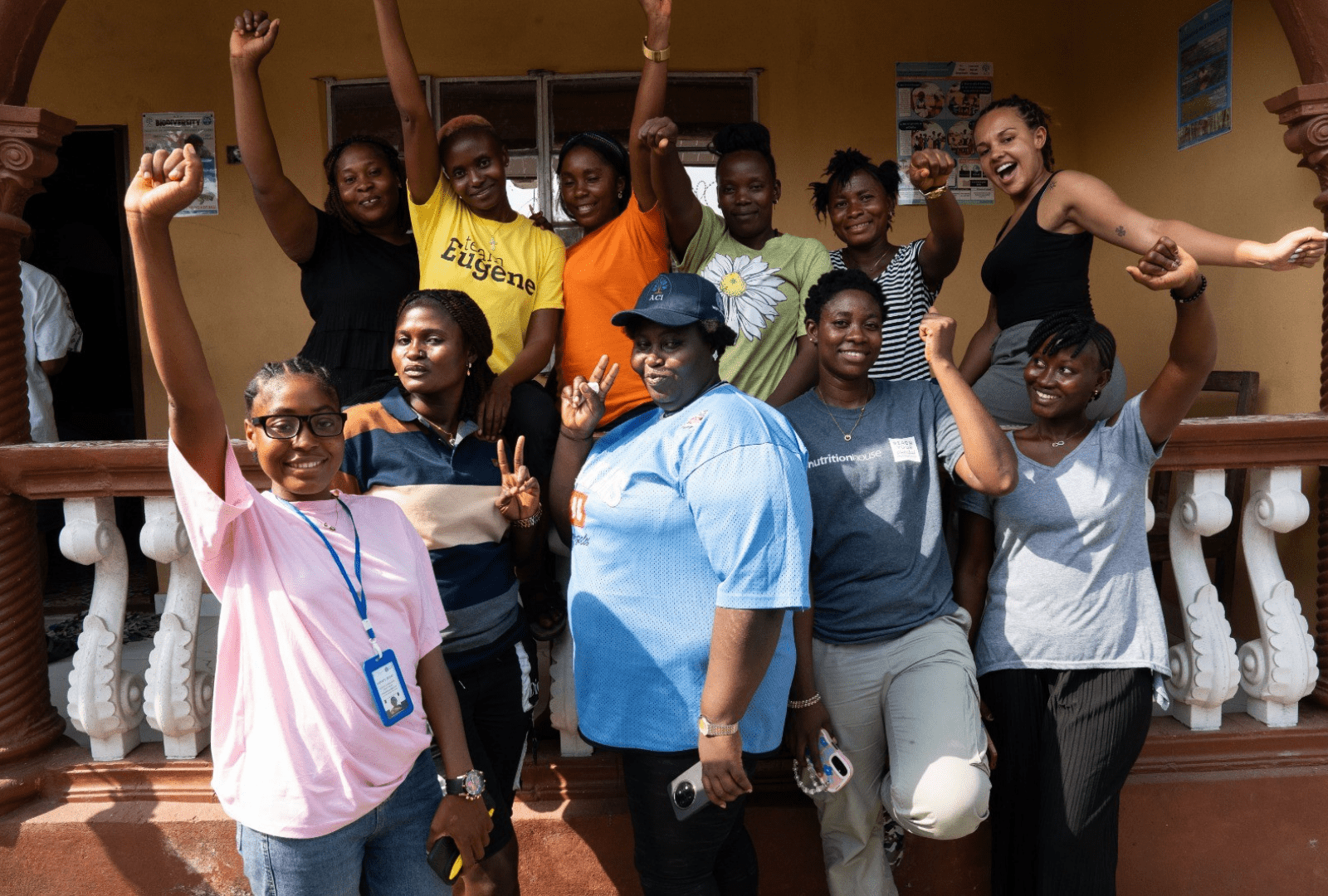
Fatmata Bah
As a field staff monitoring parrots, my work helps inform policy makers about the status of parrot populations and habitats, supporting protective laws and conservation. I also raise awareness in communities that have little knowledge about the importance of parrots and the threats they face, such as trapping and keeping parrots as pets. This helps prevent extinction and protect their natural habitats.
Kadiatu Jalloh
Through monitoring parrots in remote communities, I help people understand activities that can pose serious threats to their survival. Sharing information about parrot populations supports conservation programmes and protective laws. I have seen growing awareness about why parrots and their habitats need protection, which is an encouraging change on the ground.
Safiatu Sesay
My work focuses on protecting natural habitats and nearby threatened parrot species through ongoing monitoring. I enjoy learning where parrots breed, feed, and roost, and using technologies like satellite tracking to better understand their movements. This knowledge strengthens conservation planning and helps ensure effective protection.
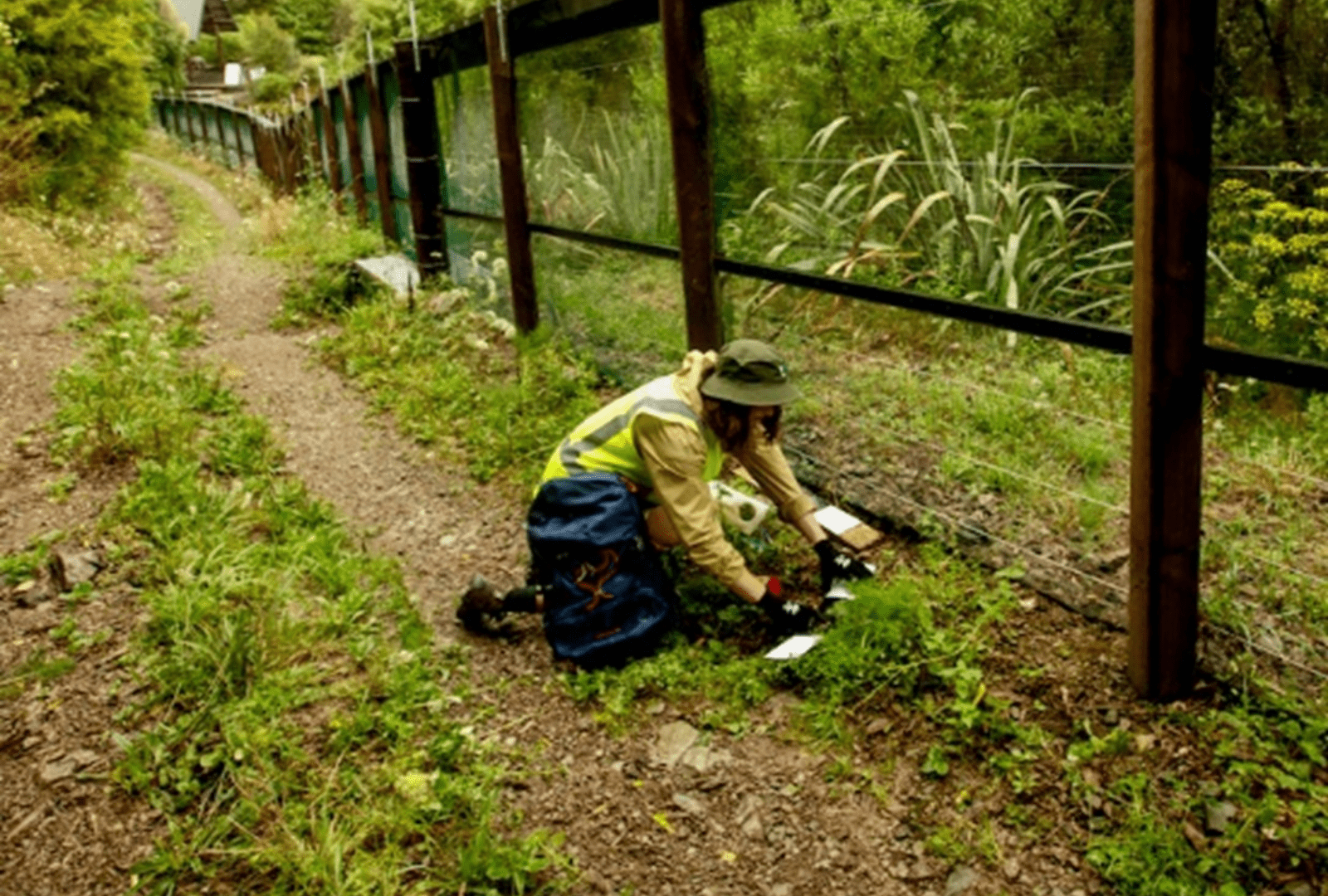
After we translocated 124 kākāriki karaka in 2021/ 2022, you could only occasionally observe these nationally critically threatened birds, mostly around the area where they were released. Since then, things have changed: As soon as you take any of the volunteer tracks leading up into the hills out of the valley, you will either hear their calls echo through the forest or even spot them playfully foraging from branch to branch. Our pest-free sanctuary is a safe home thanks to our large biosecurity surveillance network which I coordinate. We now have the biggest population in the world! This year, some eggs have been collected to replenish the captive breeding gene pool. What an honour to be right at the heart of saving a species from extinction!
These stories represent just some of the women contributing to parrot conservation through World Parrot Trust projects and partnerships. Their work, alongside that of their colleagues, is strengthening habitats, supporting communities, and helping secure safer futures for parrots worldwide. Today, we recognise and thank them for their leadership, persistence, and dedication to protecting species under pressure.
If you’d like to learn more about the projects and people working to protect parrots around the world, you can explore our conservation programmes and partnerships through our projects page.